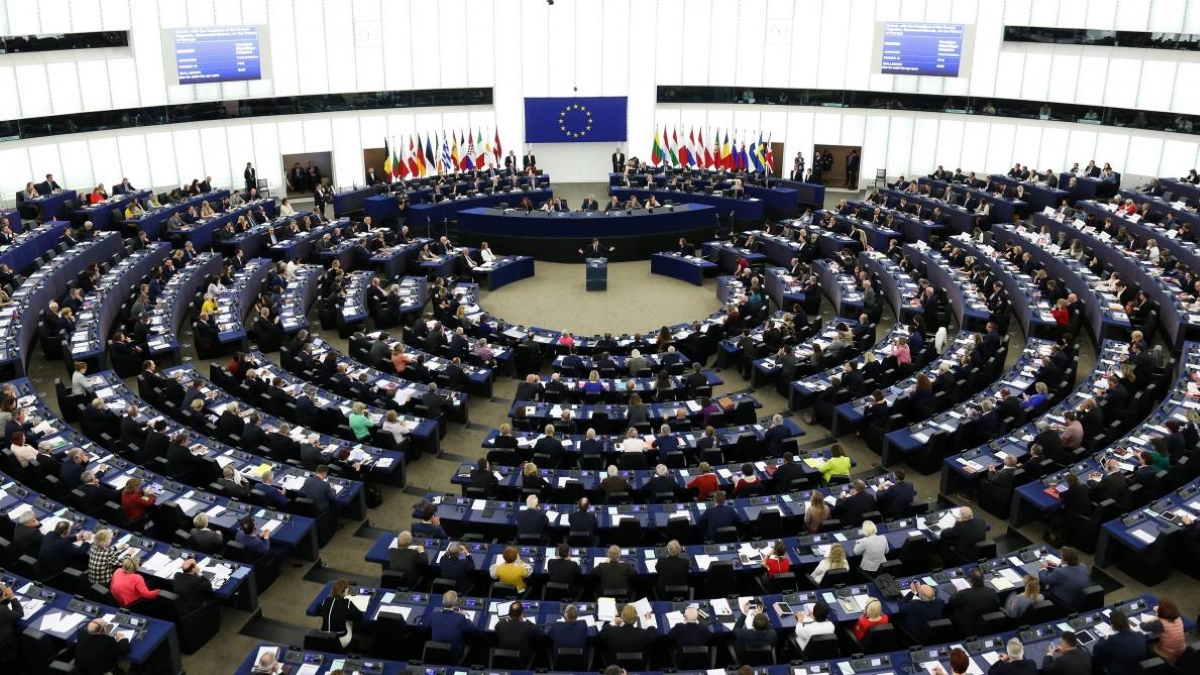
While other players withdraw from the international stage, the EU has the opportunity to show global leadership: the EU, and in particular the European Parliament and the European Commission, must continue to lead by example in the fight to eradicate extreme poverty and achieve the Sustainable Development Goals. This is also what European citizens are calling for: more than seven in ten people agree that fighting poverty in developing countries should be one of the EU’s priorities (Eurobarometer 2018).
ODA should focus on eradicating extreme poverty and go first to the regions, sectors and populations needing the most attention. We are asking in particular for:
Respecting international commitments and maintaining the EU’s pioneering role in the fight against extreme poverty.
- Defend an increase in ODA to ensure the EU and its member states honour their commitment to allocate 0.7% of their GNI to ODA by 2030 at the latest. This means the EU allocating €140 billion to European aid in its next multiannual budget, the MFF covering 2021 to 2027.
- Ensure that the primary objective of European aid is the reduction, and in the long run the eradication, of poverty, and that this imperative is not diluted by other policy objectives such as migration or security.
Guaranteeing that European aid prioritises the people and regions most in need, as well as the most urgent problems.
- Dedicate 50% of European aid to the least developed countries (LDCs) and fragile states in Africa, where extreme poverty will be concentrated in the coming years. Today, only 25% of European aid goes to this group of countries.
- Ensure that 85% of EU aid contributes to gender equality and that at least 20% of aid is allocated to human development, mainly health and education. Today, the EU meets neither of these two imperatives, yet both are essential to achieve the Sustainable Development Goals.
About €30 billion is still missing compared with the European Commission’s proposal for the EU to reach the €140 billion target and thus be on track to meet its international commitments. Closing this funding gap would allow the EU, over the next 7 years and every year, to:
- Provide quality basic education to more than one million children;
- Give access to sexual and reproductive health care to 4.59 million women;
- Prevent 30,677 deaths from HIV/AIDS, tuberculosis and malaria;
- Provide essential vaccines to 5.41 million children.
