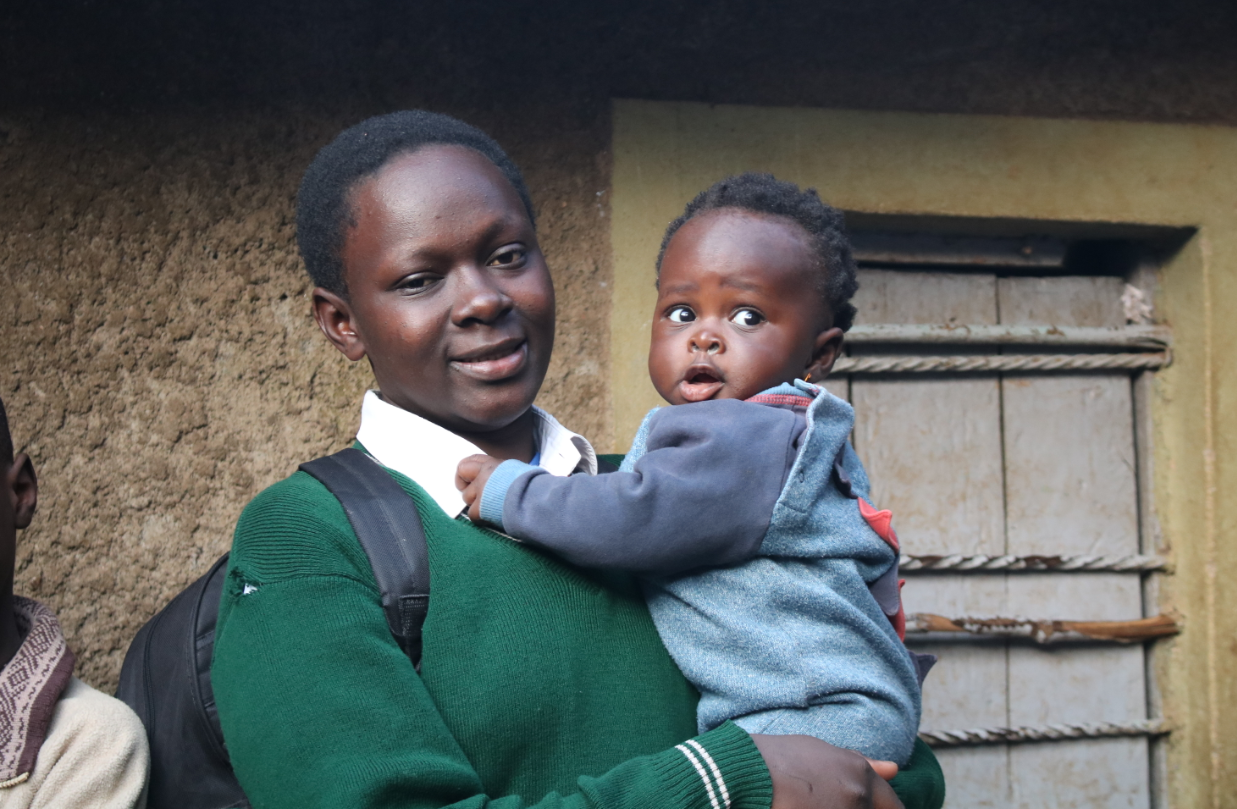
😉This meeting with Immaculate was unforgettable🌠. From her tiny 10-square-meter shelter🏚️, she explained to us her plan to get out of poverty🎯. She was only 21 years old and already had a clear idea 💡of how to build a brighter ☀️future for her sisters 👧, with a realistic plan.
When you come from a slum like Kibera in Kenya🇰🇪, you are disadvantaged from the very beginning. Unemployment 👨💼👩💼reaches levels as high ↗️as 80%. The major pain points we identified were the lack of mentorship👩⚖️, the lack of financing💰 and the lack of a network🕸️. When there is no success story 🚀within a community, it is almost impossible to envision a better life and make plans to achieve it.
It may seem counter-intuitive, but motivated💪 teenagers👦 do not need massive funding💵 or support to get a job that will change their lives. The main question is how NGOs design✏️ their programs to be as efficient as possible in terms of time ⏰and money. For example, Carolina for Kibera builds a lot of mentoring into its programs to empower🌠 young people, and it works.
With CFK🌠, Immaculate received mentorship and training in graphic 💻design, which enabled her to get her first internship💼. This internship turned into a full-time job😀, which now allows her to pay for her accounting📊 classes. Once she receives her diploma👩🎓, she will be able to support 6 people. This indirect impact is massive when the initial support is carefully adjusted. It is inspiring🌠 to talk with young leaders who already show such maturity.
🌠🌠🌠At our own pace and scale, everyone can aspire to change the world!🌠🌠🌠
👋How would you react, as a pregnant 🤰woman, if hospitals ⛑️turned you away when your baby 👶was about to arrive? It seems so far from what we experience in countries such as France 🇨🇵, where I am based. Once again, we are so lucky🤞. When I was in Kenya🇰🇪, I witnessed several situations where pregnant women had been turned away by up to 4 public hospitals🏥 before reaching the mission-driven Tabitha Clinic.
Maternal 🤱and child 🧒👧mortality are still major issues 💥in Kibera, the largest urban slum in Africa, located in the south of Nairobi, Kenya🇰🇪. Carolina for Kibera, an impactful🌠 NGO fighting🔥 to alleviate poverty in Kibera, created the Tabitha Clinic🏥⚕️. It provides quality, affordable 💰and accessible maternal and child health services. Every year, it supports thousands of mothers 🤱and children and gives hope to a community 🤩that has almost no access to public health services.
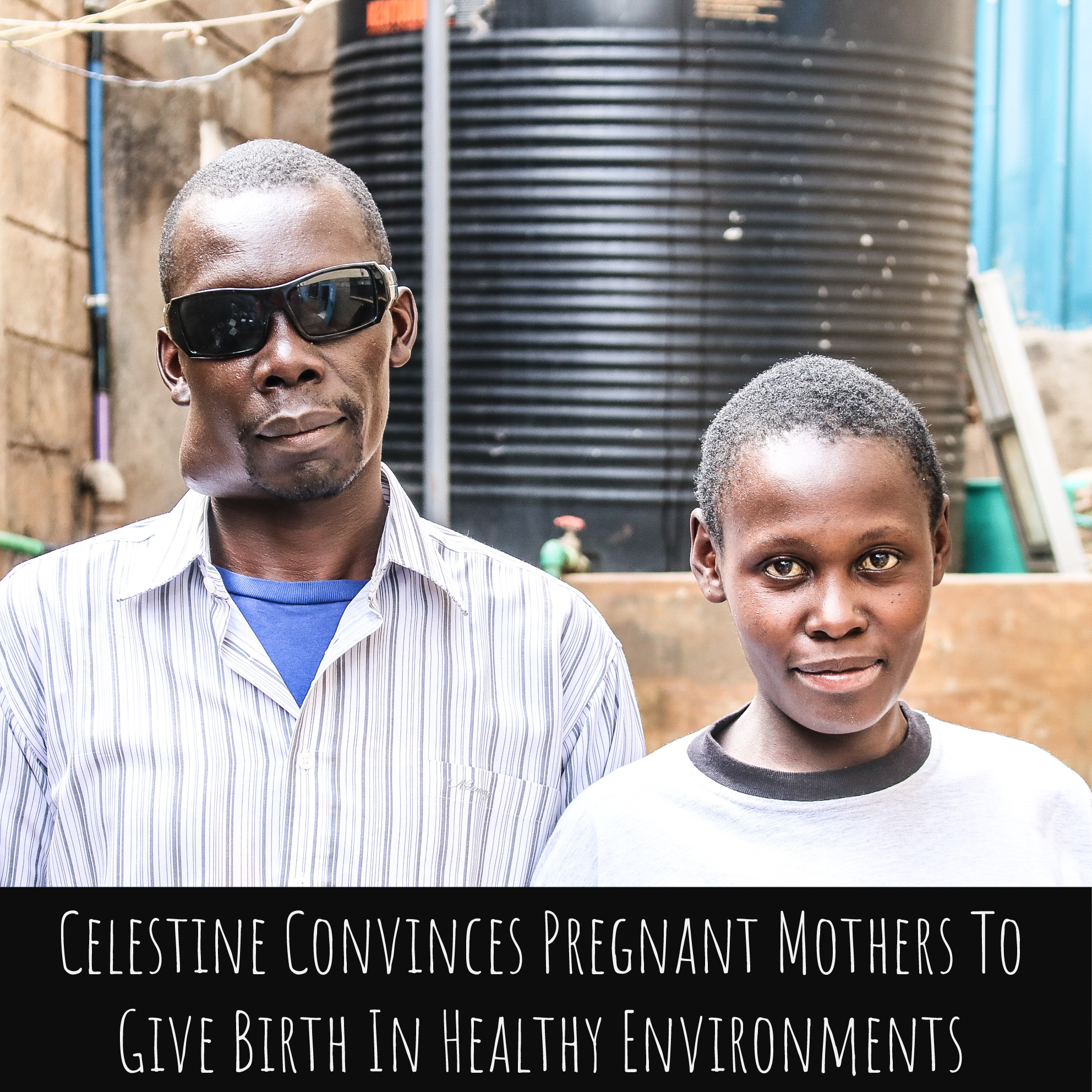
We had the chance to meet Celestine and her husband 👫on their way to a new ultrasound at the Tabitha Clinic. Celestine was expecting her 4th child 👶and she was worried😟. A few weeks earlier, she had been bleeding 🆎and could have lost her baby. At the Tabitha Clinic, she received proper care💉 from mission-driven 🚀doctors at a subsidized price 💰she could afford.
Celestine mentioned three main challenges⛰️ for pregnant women in Kibera: district hospitals are too expensive💰, it is complicated to reach the hospital by public transportation🚊 when the baby is coming, and security 💥is an issue, especially late at night🌌. This explains why many women still give birth at home, in dangerous⚠️ and extremely poor sanitary conditions. Celestine has now decided to join the Carolina for Kibera🌠 staff to share her experience and convince pregnant women 🤰to be followed at the Tabitha Clinic.
🌠🌠🌠At our own pace and scale, everyone can aspire to change the world!🌠🌠🌠
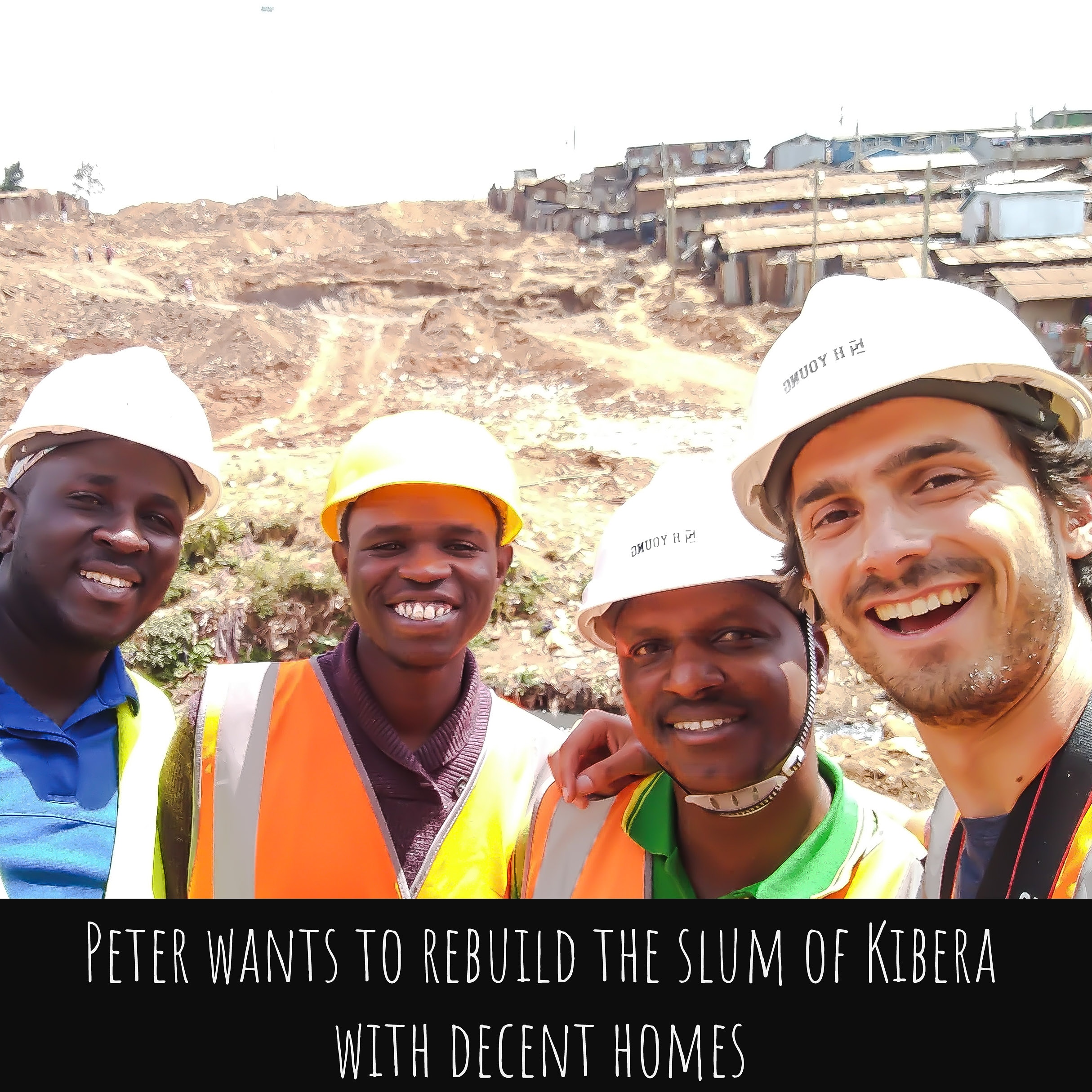
Have you met Peter? Peter is a young Kenyan 🇰🇪 leader with a BIG dream. He was born in the middle of Kibera, one of the largest African slum located in the south of Nairobi. Living in Kibera was his biggest challenge 💥 in life. He said: “You do not have dreams, you think you can not make it in life and you feel inferior”. It really affected him when he was young 🧒. One day, he had the chance to meet with an impact driven 🚀 non-profit organization called Carolina for Kibera. It changed his mentality 😀 and CFK made him believe in himself 💪. During school holidays, he joined mentorship 👨🏫 and leadership 🌠 programs where he had the opportunity to learn and to get motivated. After receiving a sponsorship 💰 to join high school education, he got accepted at the University of Nairobi 🎓 for a degree in civil engineering 🛠️. When we met, he was doing his 4thyear internship with the construction 👷 of a brand new bridge 🌉 in Kibera. When I asked him about his 🚀 lifetime dream 🚀, his answer was clear and straight forward: he wants to rebuild the infrastructure of the slum with decent homes 🏠 and to be a role model for the youth in Kibera. He wants them to believe they can make it not matter their background no matter they come from. 👉He said: 🌠🌠🌠“I truly believe when the youth succeed then the overall community will have succeeded.”🌠🌠🌠 I wonder: 👉How massive will be the impact of on an inspiring young leader like Peter on the overall community?
Salut la Familia, les Amis, Blisce, EPIC, K35 et Partenaires,
=> English version below
Time is flying! 🙂 Cette aventure est passée à toute vitesse. Cette dernière semaine a été particulièrement studieuse : d’un côté, Marine a finalisé son outil de suivi et de monitoring des stocks tout en s’assurant que l’équipe de pharmaciens le prenne en main ; de mon côté, coup de rush pour terminer le montage des vidéos réalisées dans le cadre de l’étude d’impact qualitative. Travail d’équipe dans une atmosphère sympathique et pleine d’humour. 🙂
De nos jours, donateurs et sponsors ne se contentent plus de signer des chèques : ils cherchent de plus en plus à interagir, à comprendre la réalité du terrain et surtout à mesurer l’impact de leurs dons. Ma mission consistait à réaliser 6 vidéos racontant des impact stories liées à chacun des programmes de CFK, pour leur permettre de valoriser leur impact auprès de leurs partenaires. Métamorphosé en journaliste pendant 3 semaines :-), j’ai suivi un programme particulièrement intense, au rythme d’une vidéo tournée et montée tous les deux jours. Une expérience passionnante et complète : réveils aux aurores pour capter un plan particulier, réglages d’exposition des prises de vue, enregistrements sonores… Pour prendre en main le logiciel de montage et ses multiples réglages, les tutoriels YouTube ont été mes meilleurs amis la première semaine. 🙂
À ce jour, CFK dispose de 6 vidéos qui mettent en avant son travail. On y retrouve l’histoire de :
Faith, mère à 14 ans, qui s’est retrouvée seule avec son bébé et a pu reprendre le chemin de l’école grâce au programme Girls Empowerment de CFK
Peter, un jeune sans rêve ni espoir qui va maintenant devenir ingénieur civil grâce au programme Youth Empowerment de CFK, et qui souhaite participer à la reconstruction de Kibera
Belinda, une jeune passionnée de football, recrutée comme professionnelle par un club national après être passée par l’équipe de foot féminine de CFK
Celestine, une femme enceinte victime de saignements pendant sa grossesse, qui n’avait pas les moyens de se soigner mais a été prise en charge par le programme Primary Healthcare de CFK
Immaculate, une jeune étudiante brillante issue d’une famille nombreuse, qui a décroché un emploi de webdesigner / codeuse grâce au programme Youth Empowerment
#Mission 2 : Tabitha Clinic – Optimisation et suivi des stocks
L’un des atouts essentiels de la Tabitha Clinic est d’être construite en plein cœur du bidonville (pas d’accès en voiture, ni en deux-roues !). La clinique est ainsi au plus près de ses patients et de leurs problèmes de santé. Bien que les soins soient de qualité et abordables, la gestion des stocks est un enjeu central et récurrent pour la pharmacie, au regard du flux important de patients. Marine s’est concentrée sur la réorganisation de toute la réserve de médicaments, en répertoriant et en optimisant l’emplacement de chaque médicament disponible.
Par ailleurs, le VIH étant l’une des pathologies les plus présentes dans le pays, il est identifié comme un enjeu de santé publique. Le gouvernement finance et fournit des traitements à la clinique. Le défi pour les pharmaciens, c’est que le suivi de ces traitements n’est pas intégré au logiciel qu’utilise la pharmacie. Le reporting mensuel de gestion des stocks exigé par les autorités de santé demandait jusqu’à deux jours de travail par mois… Pour y remédier, Marine a créé un outil qui permet de gérer les entrées, sorties et soldes du stock en temps réel, et de suivre les dates de péremption des médicaments. Les pharmaciens passeront de deux jours de travail à quelques clics pour imprimer le reporting. En voici un petit aperçu !
#Retour d’expérience & pot de départ
Ce vendredi après-midi, nous avons présenté les résultats de nos missions respectives devant l’ensemble du staff de CFK ! Missions réussies : nos livrables ont été remis dans les temps et l’équipe est ravie ! Une superbe surprise nous attendait… Nous avons tous les deux reçu une tenue traditionnelle, accompagnée d’un goûter de départ super sympa !
Côté ambiance, je vous laisse découvrir en images le staff de CFK 🙂 (surtout la seconde partie de la vidéo)
#Just a thought
Après 3 semaines en plein cœur du bidonville de Kibera, on constate que le Kenya fait partie des nombreux pays capitalistes dans lesquels les inégalités continuent de se creuser. Quand on travaille dans la finance, on peut se poser la question suivante : le capitalisme est-il le modèle économique de demain ? Après réflexion, je suis convaincu que le capitalisme est un bon système, mais que certains de ses contours se sont perdus avec le temps. Le premier défi, c’est la sophistication et la complexification du monde financier, avec l’arrivée de nombreux produits (options, dérivés…) qui ont parfois tendu à déresponsabiliser les actionnaires et à les éloigner des réalités de l’entreprise. Alors que les actionnaires sont censés être les garants de la pérennité et de la vision long terme de celle-ci, on se retrouve parfois dans des situations rocambolesques : des actionnaires qui changent au bout de 6 mois, des valorisations qui font les montagnes russes au gré des spéculations, des CEO qui changent tous les ans… Le second défi, c’est l’arrivée des nouvelles générations, qu’Alexandre aime appeler les Millennials :-), qui sont en quête de sens. Attirer les talents et surtout les retenir est le principal souci de n’importe quelle entreprise. Je suis convaincu que les success stories des 10 prochaines années seront portées par des entreprises, des actionnaires et des équipes de direction qui sauront certes développer des propositions de valeur disruptives, mais aussi innover dans la structure même de l’entreprise afin de recréer un alignement d’intérêts, des valeurs et des responsabilités partagés par les actionnaires, les dirigeants et les employés. On pourrait parler de capitalisme responsable. L’action d’EPIC est un premier pas qui va clairement dans ce sens, avec des solutions telles que le sharing pledge, le don sur salaire ou encore le don sur transactions. Plus d’infos sur ces différentes approches développées par EPIC : LIEN
Un grand merci à Alexandre, Nicola, Charles-Henri et Elisa pour avoir rendu possible cette expérience inoubliable avec Marine cette année !
À très vite,
Marine & Romain
#Bonus
Marine en a profité pour adopter une petite coiffure locale ! 🙂
———————————————————————————————————–
Hi Familia, Friends, Blisce, EPIC, K35 and Partners,
Time is flying! 🙂 This week was particularly intense: Marine finalized her inventory tracking tool while making sure the team of pharmacists could use it on their own. On my side, I focused on editing and finalizing the videos for the qualitative impact study. Teamwork in a friendly atmosphere full of humor. 🙂
Nowadays, donors and sponsors no longer just sign checks: they increasingly want to interact, to understand the reality on the ground and to measure the impact of their donations. My mission was to make 6 videos, each representing one of their programs. Working as a journalist for 3 weeks :-), I followed a particularly intense schedule, with one video shot, edited and finalized every two days. An exciting and complete experience, from early wake-ups for specific shots to exposure settings and sound recordings… To get to grips with the editing software and its many settings, YouTube tutorials were my best friends the first week. 🙂
CFK now has 6 videos highlighting their work. They tell the story of:
Faith, a mother at 14 who was left alone with her baby and was able to return to school thanks to CFK’s Girls Empowerment program
Peter, a young man without dreams or hope, who will now become a civil engineer thanks to CFK’s Youth Empowerment program and who wants to take part in the reconstruction of Kibera
Belinda, a young footballer who was recruited by a national club as a professional after playing in CFK’s women’s football team
Celestine, a pregnant woman who was bleeding during her pregnancy and could not afford treatment, but was supported by CFK’s Primary Healthcare program
Immaculate, a brilliant young student from a large family who became a web designer / coder through the Youth Empowerment program
One of the essential advantages of the Tabitha Clinic is that it is built in the heart of the slum (no access by car or motorbike!). The clinic is thus close to its patients and their health problems. Although the healthcare services are good and affordable, inventory management was a major and recurring issue for the pharmacy, given the large flow of patients. Marine focused on reorganizing the entire drug supply, listing and optimizing the location of each available drug.
Moreover, HIV being one of the most prevalent diseases in the country, it has been identified as a public health issue. The government funds and provides treatments to the clinic. The challenge for pharmacists is that the monitoring of these treatments is not integrated into the software used by the pharmacy. The monthly reporting requested by the health authorities required up to two days of work per month… To improve this, Marine created a tool to manage stock inflows, outflows and balances in real time, and to track the expiry dates of the drugs. Pharmacists will now go from two days of work to just a few clicks to print the reports. Here is a small overview!
#Lessons learned & Farewell
This Friday afternoon, we presented the results of our respective missions to all the CFK staff! Successful missions: our deliverables were handed over on time and the staff was delighted! A superb surprise awaited us… We both received a traditional outfit, along with a farewell party with everybody!
As for the atmosphere, I let you discover the CFK staff in video 🙂 (especially the second part of the video)
After 3 weeks in the heart of the Kibera slum, we notice that Kenya is one of the many capitalist countries in which inequality continues to grow. Working in finance, one may ask: is capitalism the economic model of tomorrow? After reflection, I am convinced that capitalism is a good system, but that some of its contours have been lost over time. The first challenge is that the financial world has become more and more sophisticated and complex, with the arrival of many products such as options and derivatives, which have sometimes tended to take responsibility away from shareholders and distance them from the realities of the company. While shareholders are supposed to be the guarantors of the company’s durability and long-term vision, we sometimes find ourselves in absurd situations: shareholders who change after 6 months, valuations on a speculative roller coaster, CEOs who change every year… The second challenge is the arrival of new generations, whom Alexandre likes to call the Millennials :-), who are looking for purpose. Attracting talent, and especially retaining it, is the main concern of any company. I am convinced that the success stories of the next 10 years will be companies, shareholders and management teams that not only develop disruptive value propositions, but also innovate in the very structure of their companies in order to recreate an alignment of interests, values and responsibilities shared by shareholders, managers and employees. We could call it responsible capitalism. EPIC’s action is a great first step in this direction, with solutions such as the sharing pledge, payroll giving and transaction giving. Here is more information about these different approaches developed by EPIC: LINK
A big thank you to Alexandre, Nicola, Charles-Henri and Elisa for supporting this experience with Marine!!!
See you soon,
Marine & Romain
#Bonus
Marine took the opportunity to adopt a small local hairstyle! 🙂
Salut la Familia, les Amis, Blisce, EPIC et Partenaires,
English version below
Voici quelques nouvelles toutes fraîches! Nos missions avancent bien, Marine passe la plupart de ses journées à la clinique. L’équipe y est toujours aussi sympathique & dévouée 🙂 Le projet sur l’optimisation des stocks prend forme. La réserve des médicaments est désormais ré-organisée et les stocks des médicaments antirétroviraux sont en train d’être améliorés, en passant du papier à l’électronique. L’outil permettra aussi de suivre les dates d’expiration et l’état des stocks en temps réels. C’est top !
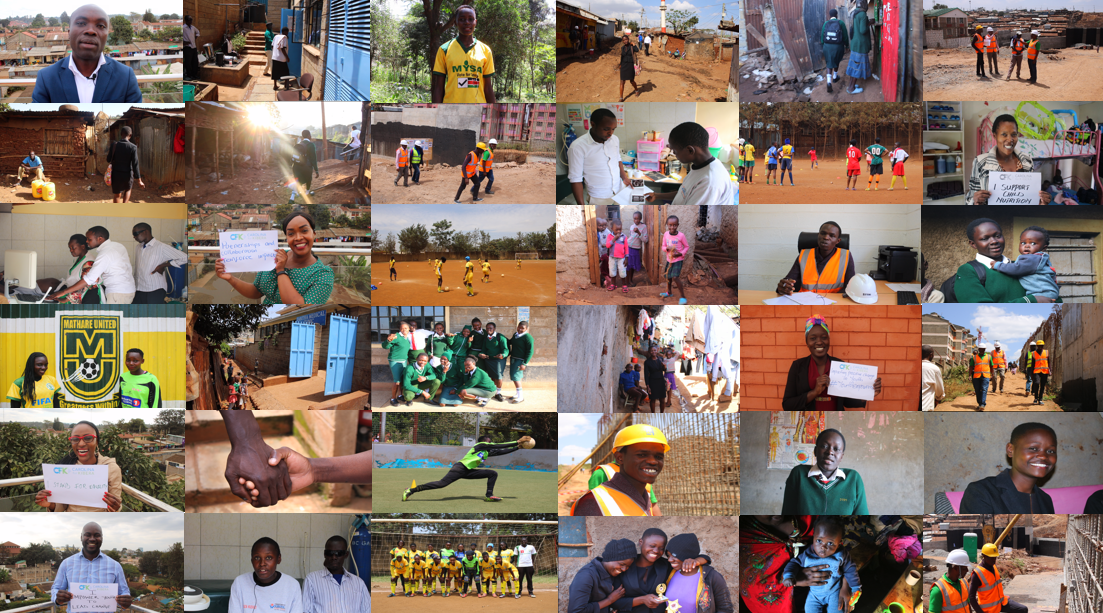
De mon côté, j’ai passé la plus grande partie de la semaine sur le terrain à finaliser la collecte des témoignages des jeunes bénéficiaires de CFK. En passant d’un club de 1ère League de football, à des chantiers de BTP, au Webdesign…, nous avons rencontré de nombreux jeunes pleins de rêve et d’espoir avec un point un commun: redonner à leur communauté une fois qu’ils auront réussit. Un lien particulier c’est créé avec Kennedy, program coordinator et protecteur. 🙂 Aucune inquiétude lors de nos déplacements niveau sécurité. Il connait tout le monde! 🙂 Excitant, intense et plein de découvertes!
#Challenge:
Suite au challenge lancé par Nicola sur l’organisation de Kibera, voici un aperçu des 3 principales questions que nous nous sommes posés une fois sur place.
Comment s’organise le bidonville de Kibera?
Kibera étant considéré comme une zone sensible, le gouvernement y accorde un suivi tout particulier. Le ministère de l’intérieur y missionne des district officiers qui ont pour mission d’assurer la sécurité et de représenter le gouvernement. Tous les jours à 17h, ils font un rapport de la situation auprès de ce dernier. Casquette militaire vissée sur la tête et uniforme kaki, nous avons obtenu une rencontre avec l’un des DO de Kibera. Responsable d’une zone de 500k personnes, tout passe par lui qu’il s’agisse d’une demande de passeport, d’un prêt bancaire universitaire, d’un viol, d’un vol… Afin d’être au plus proche des habitants, des comités de 10-15 leaders locaux sont organisés sur les grandes thématiques telles que la paix, la sécurité, et le développement. Afin de rassembler un maximum, des critères de sélection tels que l’appartenance tribale, le sexe et la réputation sont définis même si chacun tend à favoriser sa tribu plutôt qu’une autre.
Carte des 13 villages composant Kibera – Nous sommes dans celui de Gatwekera.
Pourquoi peu d’actions d’envergures ne tendent à proposer une alternative au bidonville de Kibera?
Les 43 tribus présentes au Kenya gardent toute leur importance notamment lors des élections. La classe politique met en avant ce sentiment d’appartenance afin de se constituer une base d’électeurs solide. Beaucoup de promesses sont faites et peu sont tenues… Néanmoins, le précédent premier ministre issu de la tribu des Luo avait poussé une initiative visant à proposer des logements décents et accessibles au habitants de Kibera (dominance Luo). Initiative rapidement tombée dans l’oubli… Le bidonville de Kibera est un business juteux! Les 1,2M d’habitants vivent pour la plupart de petits commerces payant des impôts à hauteur de $0,2 par jour ouvré. De plus, des hommes d’affaires se sont accaparés de larges terrains il y a quelques dizaines d’année et les louent aux habitants du bidonville. Certains ont même passé un deal avec la classe politique pour rester en toute impunité. Aucun intérêt à changer des habitudes qui rapportent! 🙂
Pourquoi les gens passent-il le temps à se saluer?
Depuis Kibera, notre challenge de tous les jours, c’est de commander un taxi. La plupart des taxis ne souhaitent pas venir nous chercher ou sont presque plus stressés que nous à l’idée de nous déposer à la nuit tombée. Beaucoup d’histoires de guet-apens… A contrario, lorsque l’on se balade dans le bidonville de Kibera avec notre famille d’accueil ou le staff de Carolina for Kibera, nous rencontrons des gens chaleureux et souriants. Après de nombreux échanges, nous avons compris que la sécurité c’est une responsabilité commune. Chacun veille les uns sur les autres. Ton niveau de sécurité est fortement corrélé avec ton niveau d’intégration et de tes connaissances. C’est l’une des raisons pour lesquelles les gens passent autant de temps à se saluer. C’est la loi de la rue, un voleur a plus intérêt à se faire prendre par la police. Il y a quelques mois, un jeune y a laissé sa peau à cause d’un vol d’autoradio.
#OneDayOneLeader
Chaque jour, nous nous sommes organisés pour rencontrer un leader local afin de mieux comprendre la culture Kenyanne ainsi que ses enjeux. Entre entrepreneurs successful, magnats de l’immobilier, industriels automobiles, célèbre fashion designer, NGOs…, celui qui nous a le plus marqué fut notre rencontre avec Bob Collymore, CEO de Safaricom, entreprise privée de loin la + importante du pays. Dans le cadre de son combat contre la corruption qui gangrène le pays, nous avons longuement échangé sur l’importance de la transparence. Afin de sensibiliser les jeunes générations, Bob est l’un des rares CEOs Kenyan à publier ses revenues et net assets.
#Témoignage Immaculate
Petite vidéo en avant-première d’Immaculate! Habitant depuis toute petite dans Kibera, elle a pu bénéficier du programme de CFK lui permettant de décrocher un full time job en tant que Webdesigner. Ce qui ressort de tous ces entretiens, c’est l’importance du mentorship qui doit aller de pair avec un coup de pouce financier. Beaucoup de jeunes ont besoin d’exemples, de success stories et qu’ils comprennent que eux aussi peuvent réussir!
Coincidence sympa, nous sommes en pleine saison de migration entre le Kenya et la Tanzanie au niveau du parc de Masai Mara. Safari exceptionnel, nous étions étourés de centaines de milliers de gnous et de zèbres sur des kilomètres! Inoubliable!
Bonne journée à tous,
Marine & Romain
————————————————————–
Hi la Familia, Friends, Blisce, EPIC and Partners, => English version below 🙂
Here is some fresh news! Our missions are progressing well, Marine spends most of her time at the clinic. The team is always so friendly and dedicated 🙂 The project on the stock optimization is moving forward. The supply of medicines is now reorganized and stocks of antiretroviral drugs are being improved from paper to electronics. The tool will also track expiration dates and inventory status in real time. That is great !
For my part, I spent most of the week on the ground finalizing the collection of impact stories from young CFK beneficiaries. From a 1st football league club, to construction sites, to Webdesign …, we met many young people full of dreams and hope with a point in common: give back to their community once they will have succeeded. A nice relationship with Kennedy, program coordinator and protector 🙂 , developed itself. No worries about safety during our multiple trips. He knows everyone! 🙂 Exciting, intense and full of discoveries!
#Challenge:
Following the challenge launched by Nicola on Kibera’s organization, here is an overview of the 3 main questions we asked ourselves once there:
How is the Kibera slum organized?
As Kibera is considered a sensitive area, the government is closely following it. The Ministry of Interior has commissioned district officers who are responsible for ensuring security and representing the government. Every day at 5pm, they report about the situation to the government. Military cap screwed on the head and a khaki uniform, we obtained a meeting with one of Kibera’s DO. Responsible for an area of 500k people, everything passes through him whether it’s a passport application, a university loan, a rape, a theft… In order to be closer to the inhabitants, committees of 10-15 local leaders are organized on major themes such as peace, security, and development. In order to gather a maximum, selection criteria such as tribal affiliation, sex and reputation are defined even if everyone tends to favor his own tribe over another.
Why few large-scale actions tend to offer an alternative to the Kibera slum?
The 43 tribes present in Kenya keep their importance especially during the elections. The political class emphasizes this feeling of belonging in order to build a solid base of voters. Many promises are made and few are kept … Nevertheless, the previous prime minister from the Luo tribe pushed an initiative to provide decent and affordable housing to the people of Kibera (Luo dominance). The initiative has quickly fallen into oblivion … The slum of Kibera is a juicy business! The 1.2 million inhabitants live for the majority of small businesses paying taxes at the rate of $ 0.2 per working day. In addition, businessmen grabbed the land a few dozen years ago and rent it to the inhabitants of Kibera. Some have even made a deal with the political class to stay with impunity. No interest in changing habits that pay! 🙂
Why do people spend time greeting each other?
Located in Kibera, our everyday challenge is to order taxis. Most taxis do not want to pick us up or are almost more stressed than we are to drop us off in the evening. Many stories of ambush … In contrast, when we walk in the slum of Kibera with our host family or the staff of Carolina for Kibera, we meet warm people smiling all the time. After many exchanges, we understood that security is a shared responsibility. Everyone watches over each other. Your level of security is strongly correlated with your level of integration and your acquaintances. This is one of the reasons why people spend so much time greeting each other. It is the law of the street, a thief has more chances to stay alive if he is getting caught by the police. A few months ago, a young guy died because of a car radio theft.
#OneDayOneLeader
Every day, we organized a meeting with a local leader to better understand the Kenyan culture and its stakes. Between successful entrepreneurs, real estate magnates, automotive manufacturers, famous fashion designers, NGOs …, one of the most striking was our meeting with Bob Collymore, CEO of Safaricom, the most important private company in the country. As part of his fight against corruption that plagues the country, we discussed about the importance of transparency. In order to empower the new generations, Bob is one of the few Kenyan CEOs to publish his income and net assets.
#Immaculate testimonial
A preview video of Immaculate! Inhabited since she was a little girl in Kibera, she was able to benefit from the CFK program that allowed her to get a full time job as a Webdesigner. What emerges from all these interviews is the importance of mentorship, which must go hand in hand with a financial boost. Many young people need examples, success stories and to understand that they can succeed too!
Nice coincidence, we are in the middle of the migration season between Kenya and Tanzania at the Masai Mara Park. Exceptional safari, we were surrounded by hundreds of thousands of wildebeest and zebra! Unforgettable!
Salut la Familia, les Potes, Blisce, EPIC et Partenaires,
English version below
Nous sommes bien arrivés à Nairobi lundi dernier à 6 h 20 du matin, après une escale à Dubaï. Direction la famille Siteki, notre famille d’accueil, pour une douche rapide et le temps de poser nos sacs, puis direction Carolina for Kibera pour le début d’une mission passionnante ! Accueil chaleureux de tout le staff de CFK, qui a commencé par nous faire faire le tour du propriétaire : la clinique, le centre de nutrition et le care center. Je vous garantis qu’il s’agit d’une immersion totale ! (cf. petite vue imprenable sur notre palace) 🙂
Impact assessment qualitatif :
Afin de mettre en avant leur impact, Carolina for Kibera cherche à se doter d’une palette de supports pour développer et renforcer son engagement et ses interactions avec ses donateurs et sponsors. Pour cela, ils m’ont chargé d’aller à la rencontre de leurs bénéficiaires afin de recueillir leurs témoignages. Cette semaine, nous avons commencé à nous rendre chez les habitants, dans les écoles et les cliniques du bidonville pour mener nos premières interviews ! Nous sommes rapidement partis dans les coins les plus reculés de Kibera, accompagnés de CFK et des leaders locaux. Sans eux, je m’y serais perdu 15 fois ! 🙂 Kibera, l’un des plus grands bidonvilles d’Afrique, situé au sud de Nairobi, regroupe 1,2 million de personnes issues de 42 tribus et réparties dans 14 villages.
Tabitha Clinic :
Carolina for Kibera a mis en place un programme de santé en créant une clinique au milieu du bidonville, accessible aux habitants pour quelques shillings seulement. Il y a une vraie volonté d’apporter un service de santé de proximité et de qualité. C’est incroyable de voir à quel point toute l’équipe soignante est impliquée dans la prise en charge des patients ! Cela va de la vaccination aux problèmes de malnutrition, en passant par les traitements du VIH, le dépistage du cancer du sein, les premiers secours… Marine travaille principalement à la pharmacie, pour réfléchir à l’optimisation des stocks. L’un de leurs enjeux majeurs est le traitement des patients atteints du VIH et de la tuberculose. Ce sera l’objet des discussions de la semaine prochaine ! À suivre… 🙂
Famille d’accueil Siteki :
Nous avons été accueillis comme des rois par la famille Siteki, qui habite en plein cœur de Kibera. Tabitha, la maîtresse de maison, serial entrepreneuse chevronnée et mère de 5 enfants, nous a accueillis comme ses propres enfants. Son parcours est captivant ! Après avoir perdu son mari il y a 20 ans, avec 5 enfants à charge et un prêt immobilier sur les bras, elle a monté quatre business dans le commerce et la restauration, ce qui lui a ensuite permis d’envoyer deux de ses enfants aux États-Unis. Si elle ne nous voit pas rentrer le soir, c’est la première à s’inquiéter ! 🙂 Même si l’électricité coupe et que la douche ressemble à un gros robinet, nous mangeons comme des princes. Ambiance géniale : on se marre avec ses enfants, qui ont quelques années de plus que nous, et longs échanges interculturels le soir !
Fonctionnement des écoles :
Le fonctionnement des écoles est intéressant, car on distingue 3 types d’écoles :
+ Informal Private schools : elles ne remplissent pas les critères pour recevoir les subventions des écoles publiques, la qualité de l’enseignement est faible et les équipements quasi inexistants. Ce sont les moins chères (environ 30 $ pour l’année) et elles incluent souvent un repas pour les enfants
++ Public schools : le niveau d’enseignement est plutôt bon, l’État subventionne une partie du budget de l’établissement, mais les familles doivent encore payer les livres, les équipements, les repas, les uniformes… ce qui les rend souvent inaccessibles aux familles dans le besoin
+++ Registered Private schools : les écoles d’élite, bien évidemment les plus chères, réservées à la classe aisée kényane
=> Il est assez surprenant de constater que l’enseignement privé couvre les 2 extrêmes : les plus pauvres et les plus riches. Nous parlons beaucoup d’égalité des chances ; ici, au Kenya, c’est très concret. Tous les élèves passent les mêmes examens. Par exemple, lors d’un examen pratique de physique nécessitant du matériel de mesure, la quasi-totalité des élèves issus des informal schools l’utiliseront pour la première fois le jour de l’examen ! Barrière à l’entrée évidente !
Le témoignage poignant de Faith, 17 ans, étudiante et mère
Jeudi dernier, départ avec Marine à 5 h 30 du matin pour rencontrer Faith. Après 20 minutes de marche entre les baraquements, Faith nous a accueillis dans une baraque en tôle de 12 m² où s’entassait toute sa famille. Avec assurance, Faith nous a décrit sa grossesse découverte au bout de 7 mois, le refus du père, le rejet de sa famille et de ses amis, la mort de l’un de ses jumeaux et ses envies de suicide. Elle a enchaîné sur sa rencontre avec le programme de CFK, qui lui a redonné confiance et lui a permis de retourner à l’école en l’aidant à payer les frais de scolarité ; surtout, elle a appris à dire NON. Ce qui m’a marqué, c’est qu’elle m’a pris à part avant notre départ pour me demander si je pouvais l’aider à obtenir des serviettes hygiéniques. En tant que déléguée de classe, c’est un problème récurrent. Sa demande n’était même pas pour elle, mais pour ses camarades de classe…
Ce week-end, détente sur les plages de Diani et de Mombasa ! Il faut quand même profiter de ces superbes paysages ! 🙂
Bonne journée à tous et surtout bonnes vacances,
À très vite !
Marine et Romain
————————————————————————————————-
Hi Familia, Friends, Blisce, EPIC and Partners,
We arrived in Nairobi at 6:20 am last Monday after a stopover in Dubai. We headed to the Siteki family’s place (our host family) for a quick shower and a few minutes to drop our bags. Then, off to Carolina for Kibera for the beginning of an exciting mission! Warm welcome from all the CFK staff, who started with a tour of the facilities: the clinic, the nutrition center and the care center. I guarantee you that it is a total immersion! 🙂
Qualitative impact assessment:
In order to showcase their impact, Carolina for Kibera wants to build a range of materials to develop and strengthen its engagement & interactions with its donors and sponsors. To do that, they asked me to meet their beneficiaries on the ground and collect their testimonials. This week, we went to schools, clinics and people’s homes to conduct our first interviews in the slum of Kibera! We quickly went to the most remote corners of Kibera, accompanied by CFK and local leaders. Without them, I would have gotten lost 15 times! 🙂 Kibera is one of the largest slums in Africa, located in the south of Nairobi. It is home to 1.2 million people from 42 different tribes, spread across 14 villages.
Tabitha Clinic:
The health program is an important pillar of CFK. They created an affordable clinic in the middle of the slum. There is a real desire to provide a quality health service close to people. It’s amazing how the entire healthcare team is involved in supporting the locals with very limited supplies! Their activities range from vaccination, malnutrition and HIV treatment to breast cancer screening and first aid… Marine is spending most of her time at the pharmacy, working on stock optimization. One of their major challenges is the treatment of HIV and TB patients. This will be the topic of next week’s discussions! To be continued… 🙂
Siteki Host Family:
We have been welcomed like kings by the Siteki family, who live in the heart of Kibera. 🙂 Tabitha, our host, a serial entrepreneur and mother of 5, welcomed us as her own children. Her story is captivating! Having lost her husband 20 years ago with 5 children and a mortgage, she set up 4 businesses in retail and catering, which allowed her to send two of her children to the US. If she does not see us coming back at night, she is the first one to worry! 🙂 Although the electricity cuts out and the shower looks like a big faucet, we eat like princes. Great atmosphere, a lot of fun with her children, who are a few years older than us, and long intercultural exchanges at night!
How Kenyan schools work:
The school system is interesting because there are 3 types of schools:
+ Informal Private schools: they do not meet the criteria for receiving public school grants, teaching quality is low and equipment is almost non-existent. These are the cheapest (around $30 per year) and they often include a meal for the children
++ Public schools: the level of education is rather good and the state subsidizes part of the school budget, but families must still pay for books, equipment, meals, uniforms… A high barrier to entry for low-income families
+++ Registered Private schools: elite schools, obviously the most expensive, reserved for Kenya’s upper class
=> It is quite surprising to note that private education covers the two extremes: the poorest and the richest. We talk a lot about equal opportunities; here in Kenya, it’s very concrete. All students take the same exams. For example, during a practical physics exam requiring measuring equipment, almost all students from informal schools will use it for the first time on the day of the exam! An obvious barrier to entry!
The heartbreaking testimony of Faith, 17, student and mother
Last Thursday, Marine and I left at 5:30 in the morning to meet Faith. After a 20-minute walk between the shacks, Faith welcomed us into a tiny 12 m² house made of metal sheets, in which her whole family was crammed. With confidence, Faith described her pregnancy, discovered after 7 months, the father’s refusal, the rejection by her family and friends, the death of one of her twins and her suicidal thoughts. She went on to describe how she met the CFK team, who gave her back her confidence and allowed her to return to school by helping with the tuition fees; most importantly, she learned to say NO. What struck me was that she took me aside before we left and asked if I could help her get sanitary pads. As class representative, this was a recurring issue. Her only request was not even for herself, but for her classmates…
This weekend, we are relaxing on the beaches of Diani and Mombasa! We have to enjoy the beautiful Kenyan landscapes! 🙂