

Entrepreneur · Impact investor

Hello everyone,
We’re already nearing the end of this exciting new adventure with Codi Tech. One thing is for sure, I definitely plan on coming back to Lebanon. Before I catch my flight tomorrow morning, here are some fresh updates!
Here are the main accomplishments of my mission:
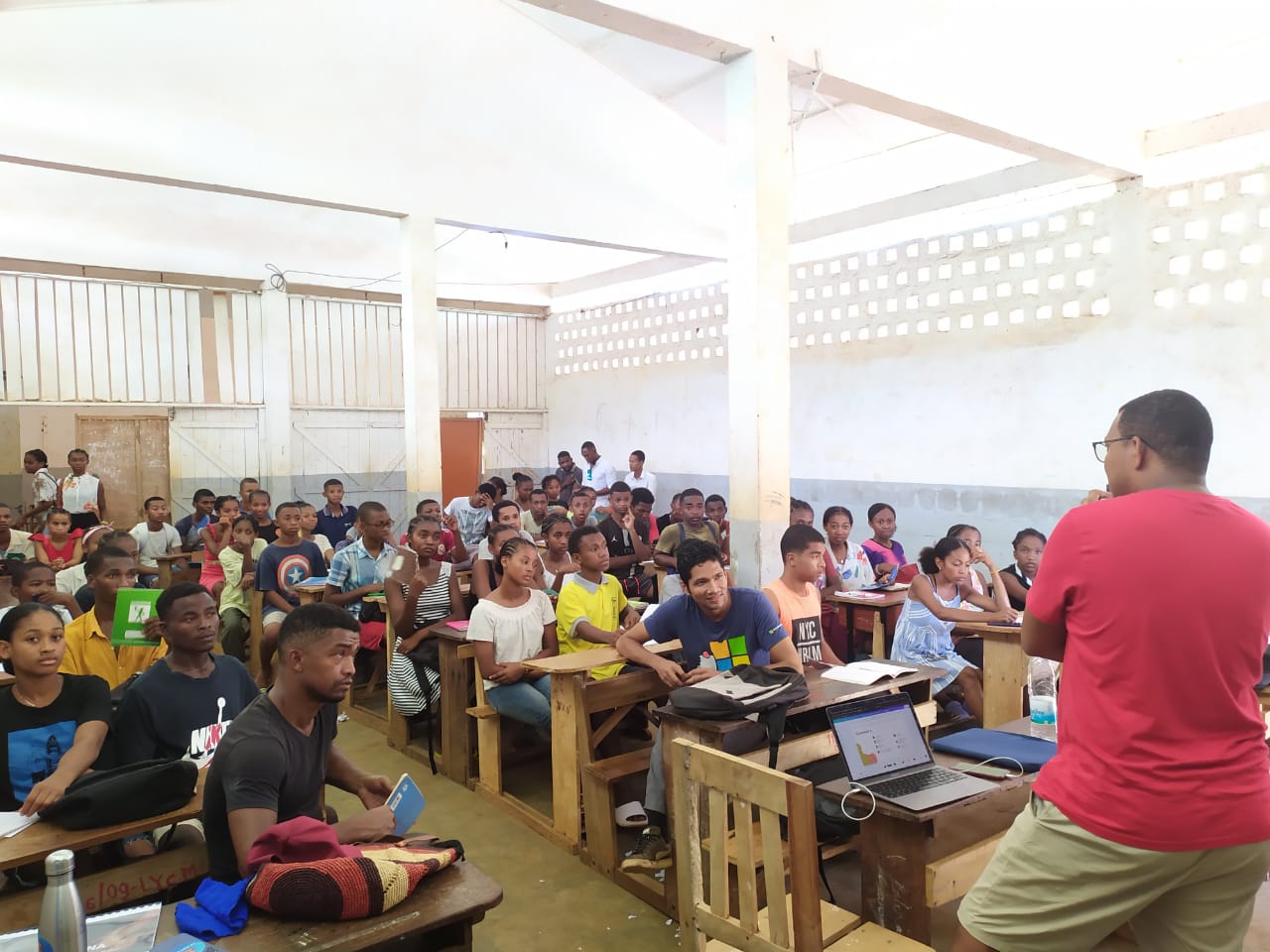
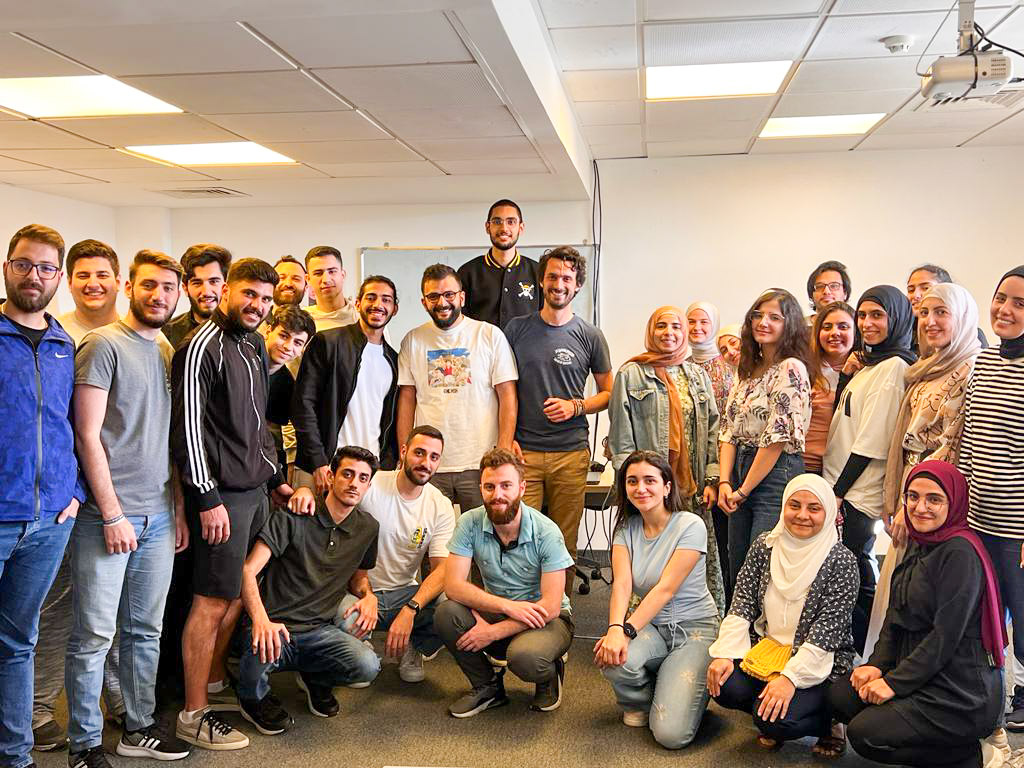
1. Two entrepreneurship workshops in Beirut and Tripoli: I had the opportunity to engage with 80 technology enthusiasts who will soon graduate as Full Stack developers. During these workshops, we covered essential topics such as the different stages of startup growth, key elements for creating a compelling pitch deck, and crucial questions to ask before launching a fundraising process.

2. Five individual sessions on entrepreneurial projects: What particularly struck me was the students’ ability to identify promising market opportunities. We discussed projects such as a mental health platform inspired by the Headspace smartphone application, a freelance platform connecting Lebanese talents with international companies, and an EdTech platform aimed at promoting mathematics and biology learning in Lebanon.
3. Business plan for 2023-2024: In collaboration with Codi’s management team, we worked on a business plan to simulate different scenarios related to Codi’s evolution as a hybrid model between an NGO and a social enterprise. By generating revenue through certain Bootcamp activities, Codi will be able to reduce its dependence on earmarked and unpredictable donations over the long term while multiplying its social impact.
4. Writing an observation report: As an external volunteer within the organization, I was able to easily engage with all stakeholders at Codi to identify opportunities for improvement. I was impressed by the transparency and abundance of ideas proposed by the teams to enhance candidate selection processes, enrich educational content, and strengthen alumni community participation.
Impact and Business, a powerful combination!
After working with 9 exceptional NGOs, I have observed certain limitations of a model based solely on donations and grants.
• Donations and grants are often one-time or limited in time, making it difficult to establish a long-term strategy.
• These funding sources are often earmarked for specific projects, meaning the NGO cannot freely allocate them. It is rare to find funders interested in financing overhead costs, software, staff training, or management, which limits the NGO’s development.
• Additionally, some funders or companies may prioritize showcasing high impact figures, which can compromise the quality of actions taken. For example, in the field of education, some funders prefer to finance $300 per student for 30 hours of training for 100 students, rather than $2,000 per student for 200 hours of training for 30 students, despite the latter being necessary to deliver quality education.
However, after dedicating time to financial modelling of an organization based on a hybrid model between an NGO and a social enterprise, with 100% reinvestment of revenues into the NGO, an exciting perspective emerges. This model has the potential to allow numerous NGOs to scale up and achieve their mission in a more efficient and sustainable manner.

In the case of Codi, I am convinced that this approach could open new perspectives and enable truly exciting developments! For example, why not consider opening a co-working space for external individuals outside of class hours? Why not consider creating specific training programs for companies in search of talented developers?
What is even more thrilling is that Codi’s thinking is not an isolated case. Many other NGOs are also considering the implementation of this type of hybrid model. This reflects a paradigm shift in the NGO sector, where innovation and financial sustainability are increasingly being taken into account. By adopting this approach, NGOs could diversify their sources of funding and significantly expand their impact.
I am inspired by this evolution and look forward to seeing how Codi and other NGOs will continue to push the boundaries and create exciting opportunities to transform lives and contribute to society.
Ahmad and Rifaat: Two student profiles at Codi.

At the beginning, Codi was primarily focused on welcoming refugee students, especially Syrians. I had the opportunity to meet Ahmad, a young Syrian man with whom I became friends. He often sat on the couch next to my desk, which allowed us to have regular conversations.
Born in Syria, Ahmad had to flee his country due to the war. Today, he is stuck in Lebanon due to mandatory military service. Young people under 40 years old are required to serve, which can sometimes last indefinitely (Ahmad’s cousin served for 7 years). Despite these difficulties, Ahmad is filled with determination. I have never met a student who has applied to so many universities to continue his studies. Unfortunately, every time he faced the same problem: the rejection of his visa application. On my last day at Codi, he introduced me to Basel – a senior software engineer from Egypt who was visiting Beirut and whom he had just met at the mosque. One thing is certain, Ahmad knows how to create opportunities for himself! Codi is the springboard he needed!

In these times of deep crisis, Codi has undergone a significant evolution in the profile of its students. Over the years, more and more Lebanese people have applied to Codi’s program, seeking opportunities in the face of economic difficulties and the consequences of the current situation. Among them, Rifaat is a striking example. Originally from Baalbek, he had secured a place for a master’s degree at an engineering school in France. After completing his studies, he had obtained a job at a French company. Unfortunately, due to the Covid-19 pandemic, his company had to cut positions, and due to his visa, he was forced to return to Lebanon.
After sending hundreds of applications without receiving a response, Rifaat made the decision to change careers and turned to becoming a full-stack developer through Codi. His current project is to create a specialized freelancing platform for IT professions, highlighting Lebanese talent. He was very welcoming and even took me to visit different neighborhoods in Beirut before going for a beer by the sea. We plan to stay in touch.
After two weeks, for me, Lebanon is:

An outstanding sense of hospitality: I was incredibly well-received – every weekend or some evenings during the week, a staff member, mentor, or student suggested exploring a city or typical restaurant to introduce me to Lebanese culture. For example, Joseph took me for a walk with his wife Joy and their son Karim in Byblos. This city, founded in 5000 BC, is exceptionally well-preserved. We strolled through the historic souk where we tried one of the typical restaurants.
When there is a problem, Lebanese people find solutions: For instance, in the face of electricity shortages, many Lebanese have turned to solar energy. It’s the first time I’ve seen so many solar panels per square kilometer when just 3 or 4 years ago, they were practically non-existent. I’m curious to know how many Lebanese from the diaspora have undertaken similar initiatives in Europe, Brazil, or even the US because finding solutions is the very definition of entrepreneurship.
Once again this year, it was a true privilege to spend time with an exceptional NGO that is changing the trajectory of hundreds of young lives each year! After this 9th project, I can reaffirm that people with goodwill exist in all corners of the planet. They demonstrate on a daily basis that “We can all make a difference at our own level”! #GenerationImpact

Have a great day,
Romain
Hello everyone,
I hope you had a great week!
I started my mission last Monday alongside the NGO Codi Tech. Hortense, the organization’s founder, scheduled a meeting with me at exactly 8:45 a.m. to go together to Codi.

I have known Hortense for several years, and she is one of those social entrepreneurs who inspire me. After working for four years at BCG, she could have chosen a prestigious career. However, after conducting in-depth market research, she decided to leverage her network and skills to launch an NGO in Lebanon. Codi Tech is an innovative initiative that combines a coding bootcamp and a leadership course. Over a six-month period, an intensive and free training program enables students to become full-stack web developers (both front-end and back-end) or digital project managers. The NGO’s goal is to use coding as a catalyst for social innovation, inclusion, and employment.
Upon arriving at Codi
I was immediately immersed in action by participating in a team project presentation. The students were tasked with developing an e-commerce website for a client they had approached themselves. Quickly facing the market, some presented a platform for the purchase of limited edition sneakers, an e-commerce site in the fashion sector, or even a car resale website.
What struck me particularly was the exclusive use of English! Even though some students had a basic level a few months ago, Codi Tech managed to help them progress rapidly so they could also be exposed to international opportunities. The second point that stood out to me was the culture of feedback. After each presentation, mentors and students engage in constructive feedback to improve their skills and teamwork.

My two objectives at Codi:
With Hortense and Joseph, the program director, we quickly finalized the scope of my mission, setting two main objectives:

Objective 1: Organizing entrepreneurship workshops in Beirut and Tripoli. Given the students’ keen interest in starting their own businesses, we brainstormed together to come up with a workshop format. Even before the workshop began, I was bombarded with fascinating questions from students about their projects, such as a student who is a gym coach and wants to launch a specialized sports e-commerce website, or another student developing an EdTech with an iOS application that promotes reading through an immersive experience…
Objective 2: Developing a 2-3 year business plan. The aim is to support Hortense and Joseph in their strategic thinking to diversify their sources of revenue, so they are no longer exclusively reliant on donations, which can be unpredictable. We will materialize this in a 2-3 year business plan, which is an incredibly exciting project and closely aligned with my role as an investor at Blisce.
Lebanon is currently experiencing an unprecedented economic and social crisis.
The consequences are devastating for the population, especially with the exchange rate experiencing a drastic drop, going from 1,500 Lebanese pounds per dollar before the banking crisis to 100,000 Lebanese pounds per dollar in informal exchange offices. This massive devaluation of the national currency has led to skyrocketing inflation, significantly impoverishing the Lebanese people. According to the UN, 80% of the population now lives below the poverty line, with 40% living in extreme poverty.

The crisis was caused by fraudulent financial practices involving the country’s economic and political elites. In fact, most of the national banks (18 out of 20) have shareholders linked to the political class, and 43% of the country’s financial assets belong to them. For years, public debt has been financed through artificially high interest rates, creating a “Ponzi scheme” where public funds were used to enrich the elites at the expense of social and healthcare services. In 2019, this financial bubble collapsed when the banks were unable to repay their debt. Faced with a default, the banks took drastic measures such as capping bank withdrawals at $100 per week or prohibiting money transfers abroad. In addition to inflation, people can’t even withdraw their money deposited in the bank. The crisis has caused deep distrust towards the banking system and the ruling class. At the hotel, the receptionist explained to me that everything is done to bypass the banks, even salaries are paid in cash.
The Temples of Baalbek
Peter and Zineb, two mentors from Codi, proposed an excursion to Baalbek. This is where, among others, the Temple of Bacchus is located, one of the best-preserved Greco-Roman temples in the world. I didn’t hesitate for long before accepting their proposal.

On the road, I noticed many propaganda signs. I wondered why… They explained to me that we were entering the territory of Hezbollah, a Shiite political-military organization. It’s almost like a state within a state. After the checkpoint, the regular police and army do not dare to enter, unless authorized by Hezbollah.

In 3000 BC, Baalbek was a flourishing Phoenician city where the worship of Baal, an eastern deity associated with lightning and beneficial rains, was celebrated. The place is magnificent, every stone is intricately carved.
Zineb, who knows the region well, then took us to the souk to taste the local specialty: sfihas. These are small meat-filled dough pastries that people order in large quantities for family meals. For price negotiations, I quickly realized it was better for me to step back a bit as my tourist appearance didn’t help.
Another excellent day! Have a great week, everyone.
Romain
Hello everyone,
How are you? This year, I am participating for the eighth time in a project focused on impact measurement or digitization alongside an exceptional NGO. At each of these opportunities, I have met inspiring entrepreneurs, activists, and changemakers, whether in the Brazilian favelas, the Ugandan jungle, the northern neighborhoods of Marseille, the slums in India, or the remote villages of Guatemala. These experiences are real bursts of optimism!
This year, I have just arrived in Lebanon as part of an organization called Codi Tech, based in Beirut. This association trains refugees and marginalized youth in computer coding! But why did I choose this destination?

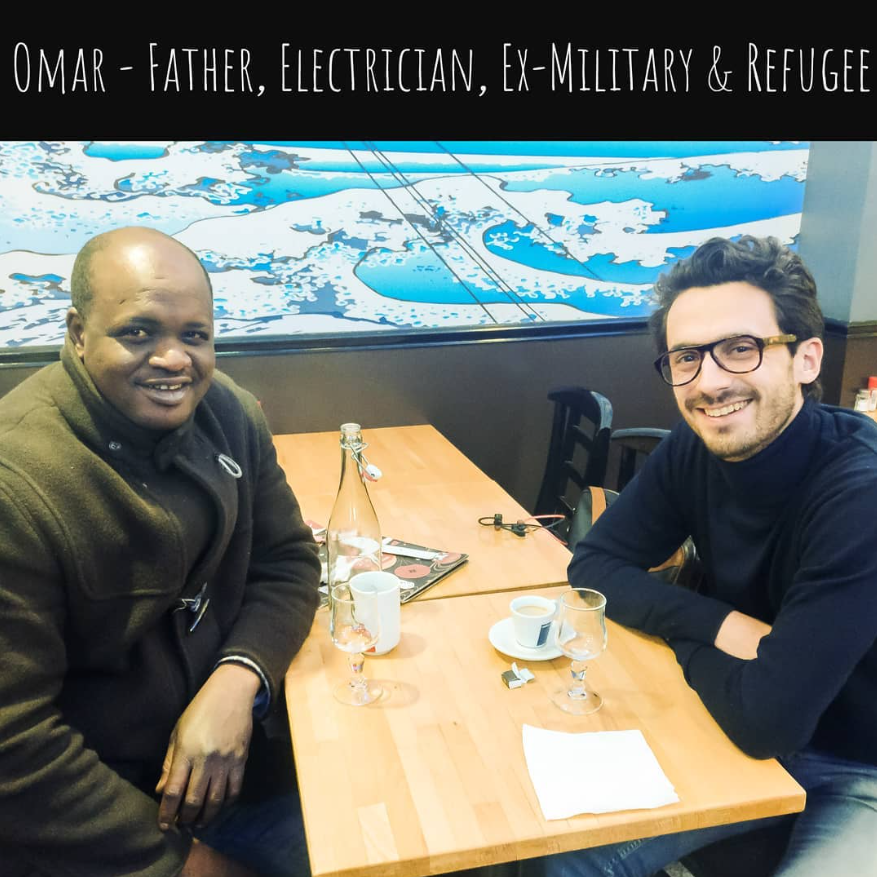
One evening in February 2019, I came home late from work. Just before entering a sushi restaurant on the way, I met Omar. He didn’t ask me for money, but only for something to eat for dinner. After offering him to order with me, we ended up spending the whole evening together.
Originally from Mali, Omar is a father of two children who still live there. Before the Libyan revolution, he had a peaceful life with his family and worked as an electrician. When the Malian war broke out in 2012, he joined the government army and fought for his country for several years. After the coup, the president had to go into exile, and Omar’s situation worsened. His family was in danger. At any moment during the night, armed groups could invade his home and kill him and his family. He had to flee his country to find a better place to live with them. From Turkey to Greece on a small boat, through multiple attempts to cross the Italian border, it took him two years. He said it was one of the most difficult periods of his life. After a month and a half in France, he had no documents, sometimes had to sleep on the street, hadn’t seen his family for two and a half years, and didn’t have enough money to go back to Mali. He had almost nothing, and yet he didn’t complain once during dinner. We mostly laughed while discussing the differences between our two countries.
On my way home, I wondered: If I were in his place, what would I have done? Would I have also fled my country to find a better life for my family? I am convinced that talking to refugees could dispel many preconceived ideas on the subject.

Lebanon is the country that hosts the largest number of refugees per capita in the world, accounting for 25% of its total population. To form my own opinion, I decided to pack my backpack and go meet the locals there. Upon my arrival in Beirut, I was warmly welcomed by Adnan, a close friend of Codi Tech. During the journey from the airport to the hotel, he took the opportunity to give me a brief guided tour. Four things particularly struck me:
1) Churches and mosques are often built side by side. Adnan explained to me that religious diversity is part of their culture, with over 18 recognized religious communities by the state.
2) Many buildings do not have electricity at night. Due to a lack of investment in energy infrastructure and corruption, the government is unable to meet the demand. Many families who can afford it are forced to rent electric generators from illegal suppliers who charge three times the regular kilowatt-hour rate.

3) Inflation is very high, to the extent that one dollar is equivalent to 100,000 Lebanese pounds on the black market. In 2023, inflation reached 25.5% between January and February and 190% over the course of a year. To exchange money on the street, the hotel manager advised me to check the current exchange rate down to the hour.
4) People are very warm and welcoming. If you smile at someone on the street, you’re almost guaranteed to receive a smile in return!
I’m excited to embark on this new adventure! In the next newsletter, I’ll share more about the organization and the project.
Wishing you all a wonderful week, and see you soon,
Romain

Hello to all,
Our adventure with the NGO Arca is almost over. For the 7th consecutive year, we had the privilege to share the daily life of a team of incredible activists. When you watch TV, you can sometimes get the blues by telling yourself that the world is going badly. By taking the time to look, I can tell you that countless positive initiatives like Arca exist and are changing the world without making headlines.
Achieving impact is complex:

The goal of Arca Do Saber’s program is very clear: to develop self-esteem and soft skills in children aged 6-14. IPSOS had measured that 67% of the favela’s inhabitants had low self-esteem. To measure the impact of Arca Do Saber, we built a framework with 54 contextualized questions on: decision-making, self-control, resilience, communication, empathy, relationship with others, self-esteem and confidence in the future. By applying this framework each year, Arca will be able to monitor the development of each child it supports and adapt its educational program.
What is complex in building a program is the consideration of other factors that are essential to achieving a central objective. At Arca, it was necessary to develop other programs on health, nutrition, and parent support to have an impact on children’s self-esteem, which was the central objective.
A future dental project:

Following her medical screening of the 130 children of Arca do Saber, Sarah was able to analyze all the data collected (extracted from the questionnaires above) and present them to the teachers of Arca. This allowed us to highlight certain findings such as: 50% of the children have never seen a dentist, 49% of the older children are ashamed of their smile, 40% of the children need to treat cavities quickly, 11% of which are in a critical state… Sarah was thus able to define a list of priorities for care as well as a list of recommendations related to prevention that can be directly applied by the teachers (eating habits, regular dental visits, brushing teeth…). Graph below on the distribution of cavities by age group.

Sarah’s file will be completed with a budget that will allow Arca’s teams to obtain financing for this project from a partner. During our stay, Thais, the president, secured a first partnership with a dentist who will take care of the children identified by Sarah. What impressed Sarah a lot during this mission was the kindness of the children when she took care of them.
Father Assis and Cida – Two respected leaders in the favela:

Father Assis is one of a kind. With his rasta looks, he is the priest of the favela. Originally from Cape Verde, he agreed to leave everything to come and settle in Vila Prudente where he has been living for 10 years. Beyond putting himself at the service of the most destitute, he is taking law courses in order to defend the unjustly condemned prisoners. Racism is still present, and being black and having no money is not an advantage. According to Assis, it is impossible to fight if you don’t know your rights.
Cida is Arca’s kitchen manager. After working in a big restaurant, she left everything to be closer to her family living in the favela. Although her dishes are delicious, her role goes far beyond that. Having close relatives high up in the drug trade, she plays the role of intermediary for Arca. For example, the day Valérie Trierweiler came to visit the favela, no mistakes were allowed. Thanks to Cida, everything went well.
A nice surprise for our departure:

For our last day at Arca, the children and their teachers had prepared a nice surprise for us in the canteen. They gave us a beautiful home-made box in which the children had made drawings for us. We let you discover some of them! A touching gesture for our departure! What made this project successful was the good match between Arca’s expectations and our skills.
In the favela of Rocinha, it was tense…

In Rio, 3 clans clash: the Red Command, the Third Command and the ADA. Yesterday morning, we were in the favela of Rocinha in Rio with a local guide. Rocinha is the territory of the Red Command. You can see it on the walls, where the initials CV (Comando Vermelho) are tagged. Impossible to take pictures here, but here is what struck us…
The network is very organized. Guards are posted at each entrance to prevent police raids. The closer we got, the more heavily armed the guards were. What struck us was the age of the guards: 14-15 years old on average. The first one we met must have been 12-13 years old at most. He was walking with an AK-47 with a skull on it.

A little further on was the dealing point. Several dozen guards armed with AK-47s, sniper rifles or machine guns were standing guard near a table set up in the middle of the street. Cocaine and marijuana were the main products for sale. A little apart, in a bar, we saw the accountant sorting several bundles of money. This seemed out of the ordinary to us, but in reality it was an everyday scene in the favela. Seeing us a little perplexed, one of the clan leaders approached the guide and said: “Don’t worry, you can relax. You have nothing to fear here. Just no pictures.”
We were told that the traffic had other sources of profit such as racketeering. When a business wants to set up in the favela, it has to pay “taxes”. This concerns especially the activities of: sale of gas, transport, installation of wi-fi and TV cable which bring in up to 400k€ per week. In return for these juicy profits, these small local warlords cannot leave the favela and their life expectancy is very short.

What is counter-intuitive is that these organizations are not only seen as bad by the community. In some cases, they help families in need with food, medicine… They help more than the government, which has sometimes abandoned these families by deserting their neighborhoods.
We would never have done this without a guide who knew the area perfectly and, above all, had the right connections. What will remain engraved in our memory is the age of these young people who get drawn in. Maybe because of the lack of opportunities offered to them, or because some of them no longer believe in their future. Especially since the guide explained to us that a vicious circle has set in: many girls become pregnant at around 15-16 and end up raising their children alone. Their difficulty in making ends meet often has a detrimental effect on the education and future prospects of their children.
Why do so many people continue to crowd into the favelas?

One of the main reasons is transportation to work. Many people work in the center of the city. Living outside the favelas would take too much time and be too expensive.
Although often neglected by the government, the favela residents are essential to the smooth running of the city. The drivers, the security guards, the cashiers, the surface technicians, the nannies… most of them live in the favelas. The drug traffickers that we have in mind represent only a tiny minority.
At the end of this day full of discoveries, we met a talented capoeira group. They shared their art and their passion with us. There is incredible talent in the favela of Rocinha too.
Tomorrow is the big return!
Have a nice day, everyone, and see you soon,
Sarah & Romain

Hi everyone,
I hope you are all well.
After 3 weeks in Brazil, it’s time to tell you about our respective missions with the NGO Arca.
Measuring the impact of an educational program:

Like any NGO, measuring impact is a key issue. The team in charge of the Arca Do Saber program has so far built its impact reports from the indicators requested by its donors. For example, the city council – the main funder of the program – is interested in very factual data such as: the re-enrollment rate from one year to the next (90%) or the participation rate of the beneficiaries (88%).
Thais, the president of the NGO, asked me to think about new indicators that would allow them to measure the impact of this program over time. These would allow them to iterate more easily on the construction of their educational program. In collaboration with the teachers, a psychologist, the pedagogical manager and the evaluation manager, I am in charge of developing a framework to measure the development of self-esteem and soft skills of the children part of the program.
Dental field data collection project:

On Sarah’s side, Arca was interested in a mission to screen the 130 children in the program and then collect data in order to build a new project within Arca. Before our arrival, Sarah had used the recommendations of the World Health Organization to build two documents: a quantitative questionnaire (dental follow-up, eating habits,…) and a clinical report.
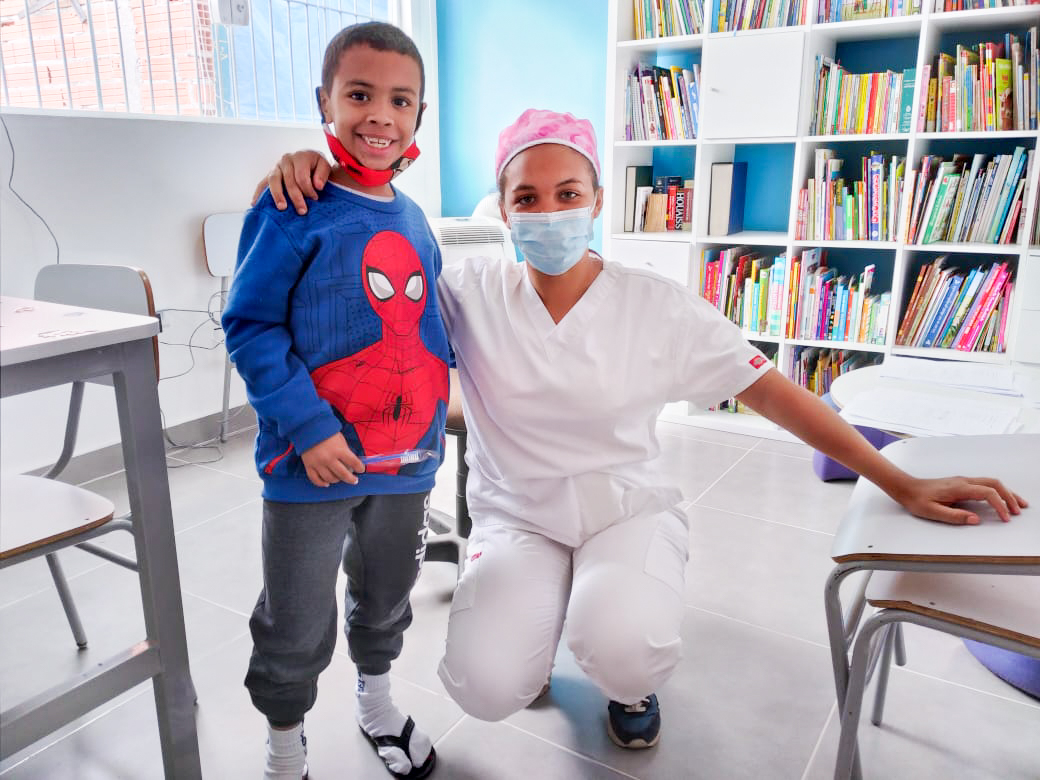
During 3 weeks, Sarah received all the children in an improvised medical office on the top floor. Each visit was the subject of a detailed report allowing: to identify critical cases in order to define an emergency treatment plan with the partner dentist and to collect enough data on the children’s dental health to set up a sustainable funding project.
The kingdom of soccer:

As you might have guessed, in Brazil soccer is almost a religion. During the big games, we were told that the streets are absolutely deserted. It is also very common to go and play soccer with colleagues after work. That’s why I was invited by some employees of the Sao Paulo subway who are fervent supporters of the Corinthians team for one of their weekly tournaments, on Friday night. What I can tell you is that the level was crazy.

We also went to the Morumbi stadium (80,000 seats) where a championship game of Sao Paulo Futbol Club X Bragantino was taking place. Being unable to find tickets, a security guard of the stadium saw us perplexed in the middle of the supporters. He was very kind and bent over backwards to help us find tickets. The result was a 3-0 victory at home – the atmosphere was clearly great! What surprised us a lot was the proportion of women and children who came to support their favorite team. Going to a game seems to be a family activity.
The Samba:

Music and dance are part of the daily life of Brazilians. What Sarah and I quickly realized was that it would be impossible to match them in dance. So we just learned the basic steps of the forro and the samba. Every Sunday (even in winter), the city closes one of the main avenues of Sao Paulo to cars – Paolista Avenue. As you walk up the avenue, hundreds of singers and dancers set up shop to share their style of music.

Even more impressive are the samba schools that rehearse every week in preparation for the carnival. It’s a football-like championship with different leagues. During the carnival, up to 4000 people from the same Samba school can pass in front of the juries at the same time. It is a crazy organization! During the rehearsals, what marked us within the Vai Vai school, it is the very family character of these rehearsals where we found there people of all the ages.
One more week and it will be the big comeback!
Beautiful day to all,
Sarah & Romain

Hi everyone,
I hope you are well.
We have been in São Paulo for two weeks now. Sarah and I have settled into a routine: every morning, we go to Arca for our mission.
The main issues in the Favela de Vila Prudente:

What struck me was that most of the 8,000 inhabitants of the favela live in virtual isolation. Apart from those who work outside, few inhabitants ever leave. Many feel inferior or even useless in the eyes of society. The IPSOS institute published a study on this favela showing that 67% of the inhabitants had low self-esteem.
Other indicators caught my attention: 64% of the families live on an income of less than €320 per month, 50% do not have access to health services, 52% have not gone beyond elementary school and 28% of the families have had a teenage pregnancy.
The NGO Arca:

It is in this context that the NGO Arca was born, some twenty years ago. Their mission: to accompany the development of the favela’s inhabitants by promoting their autonomy and self-confidence while offering them educational and training opportunities.

Since our arrival, we have discovered their 2 main areas of activity:
Arca’s superpower:

For an NGO with 32 employees, I was impressed by the lasting partnerships they have managed to set up with large groups such as L’Oréal, Veolia, Givaudan, Lesaffre, BNP, ID Logistics, Alstom, Air Liquide, Leroy Merlin…
According to Thais, the president of the NGO, their partnership strategy is based on 4 axes:
An ingenious donation mechanism set up in the State of Sao Paulo:

One morning, I was intrigued by José, an employee of the NGO, who was busy entering a huge bag of receipts into his computer. I had to know more…
In Brazil, a large part of the economy is still informal, so the State of São Paulo had the brilliant idea of setting up the Nota Fiscal Paulista program, which encourages individuals to ask for an invoice when making purchases.
By giving their tax number when making a purchase with an invoice, customers get a cashback of up to 20% of the VAT amount. They have two options: keep the money or donate it to the NGO of their choice. The advantage of this funding for NGOs like Arca is that these donations are not earmarked, meaning the NGO can spend them as it wishes.
An open-air museum:

What is magical about São Paulo is its artistic and cultural dimension. Over the last 5 years, street art has developed considerably, with magnificent murals painted on run-down buildings. How can this be explained? And above all, who pays for this open-air museum? A local guide explained to us that the city and the public authorities had no budget for this kind of initiative. However, faced with numerous tags on their buildings, private landlords found that these murals were a great way to fight them. This is how private companies started to finance these initiatives. Could we imagine transforming some of the so-called “ugly” places in France into beautiful artistic spaces?
Thanks for the interest! Next week, we’ll tell you about our mission at Arca!
Have a nice vacation and see you soon,
Sarah and Romain


Hi everyone,
How are you doing?
For the 7th year in a row, we have packed our bags to put our skills at the service of an exceptional NGO during our summer vacation. This year, with Sarah, we invite you to travel with us to Brazil and discover a Franco-Brazilian organization called Arca Do Saber, located in the heart of the favelas of São Paulo.

To be honest, we left with some preconceptions: extreme social inequalities, sometimes dangerous districts, but an incredible atmosphere. We were in for quite a few surprises…
Our arrival:
Having landed in Rio de Janeiro, we took the opportunity to enjoy the splendid sunset view from the top of Sugarloaf Mountain before heading to São Paulo. An expat family had very kindly agreed to lend us their apartment. When we arrived in front of the double security gate, guarded 24 hours a day, we understood that we were entering another world. With a panoramic view, a swimming pool, a gym, staff for cooking and cleaning…, the apartment is located in the most beautiful area of the city. From the very first day, we understood that every morning we would have to bridge the huge gap between the neighborhoods where the “elite” live and those of the most disadvantaged social classes.

When we arrived, Thais, the director of the NGO, warmly welcomed us and introduced us to the whole team. Being a dentist, Sarah’s mission is to do a dental check-up of all the young people of the NGO in order to identify possible critical cases and to collect data to convince the municipality to release the budget. As for me, I am in charge of an impact measurement mission on one of their educational programs.
At the entrance to the Favela:
Although reputed to be less dangerous than Rio’s, Sao Paulo’s favelas remain important drug trafficking points. As we entered the favela, we noticed 3 lookouts filtering all the comings and goings of this entrance.

Placed in strategic spots, they can locate anyone within a few minutes with their walkie-talkies, especially plainclothes police officers. With the armed gang based at the end of the street, we quickly understood that we could not walk around just anywhere and that we had to respect some rules. To be identified as volunteers, we wear fluorescent vests marked Arca Do Saber.

What struck us was how the police are perceived: the inhabitants are more afraid of them than of the traffickers. The day before our arrival, a big police raid had taken place in retaliation for the robbery of a jewelry store. These are the most dangerous moments. For their part, the traffickers do everything to keep the peace and prevent robberies: when the inhabitants rebel, it is bad for business.
The soul of the favela:
Convinced that we needed to look beyond this first impression, André, the community leader in charge of all housing issues (access to water, electricity…), showed us around his neighborhood. Walking through small alleys invisible from the outside, we discovered the soul of the favela. Many artists have expressed themselves directly on the walls of the houses. The common denominator: mosaic.

But why this material? According to André, mosaic is the expression of diversity: from different pieces, you create a harmonious and beautiful whole. We then went to a chapel whose stained-glass windows were made from bottles embedded in the walls. Would you have imagined a ballet studio in the favela? There is one! Many positive initiatives exist. Culture and art are powerful levers of change, and the leaders of the favela have understood this well!

After one week at Arca Do Saber, we are still full of surprises. Before concluding this 1st newsletter, two observations: the kindness of Brazilians and their love of music. Music is one of the things that unites all Brazilians, whatever their social or ethnic background or age.
Do not hesitate to send us your news.
Have a nice vacation and see you soon,
Sarah & Romain
Hi everyone,
How are you doing? Marine and Quentin returned to Paris at the end of the week, while Sarah and I stayed a few more days to finish our deliverables for the NGO Los Amigos de Santa Cruz. This week again, great news to share. 🙂

#The challenges of our mission
In order to better understand the challenges of the NGO Los Amigos, Estela, the director of the Women Empowerment program, suggested that we take a pick-up truck to meet different groups of women entrepreneurs living in remote communities where no tourists venture.

Our meeting with Ruth particularly struck me. She welcomed us in her kombucha workshop (a natural fermented drink). With her baby wrapped in a sheet tied around her neck, you could tell she was a hard worker. To succeed, she only needed a helping hand, with a little equipment and training. By emphasizing entrepreneurship among women, Los Amigos knows very well that this is a major lever for the economic development of the household and for gender equity.

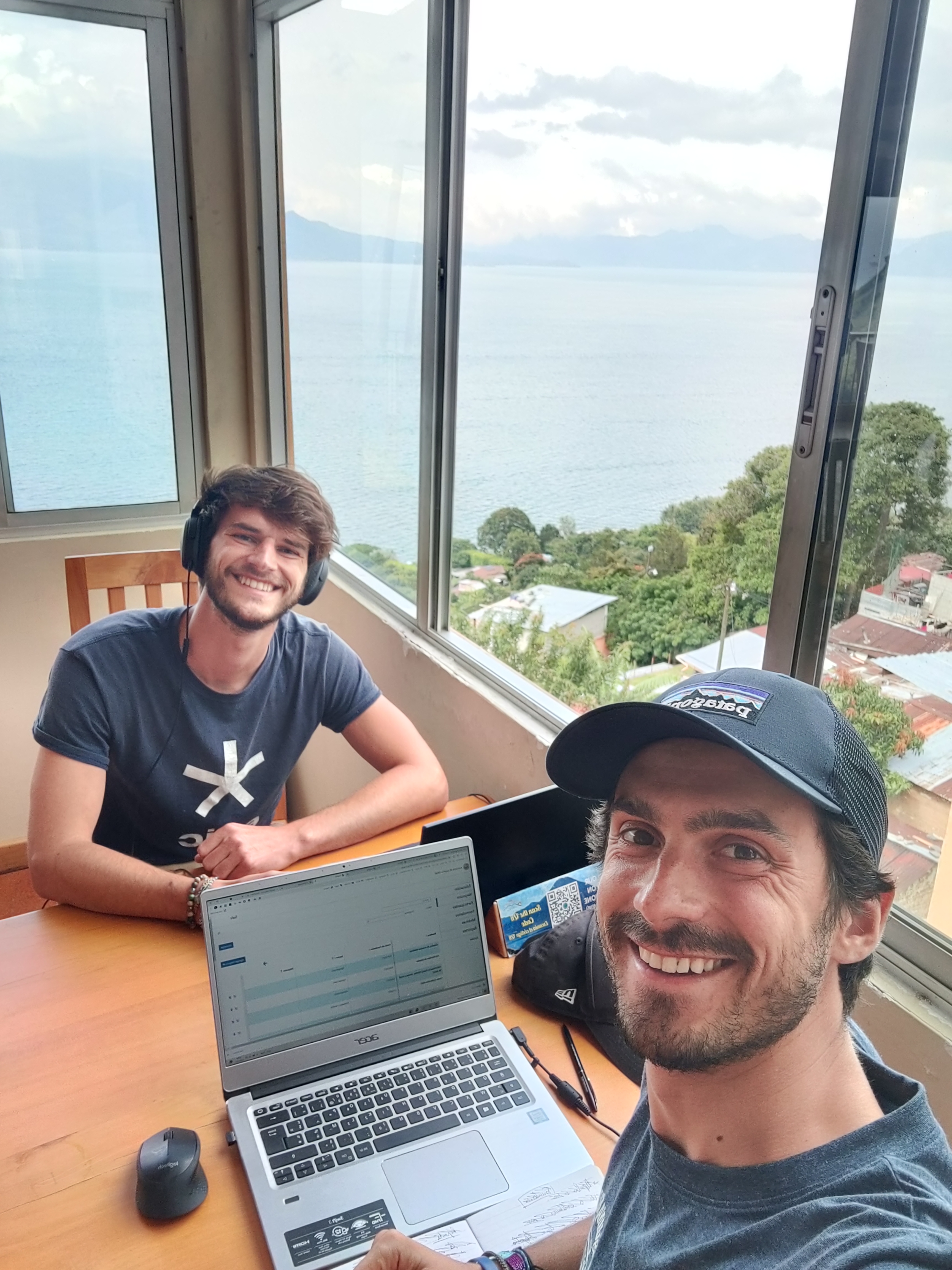
As for our mission to improve their impact measurement process, we had 3 main objectives: 1) define a roadmap of impact KPIs to be measured; 2) implement a data collection process and create automated impact reports; 3) train the teams to use the software. Even though we have completed the first stage of the project with the launch of pilot projects, it will still take months to roll it out across all programs. The common denominator between my different assignments over the years is the teams’ initial reluctance to change. For this to work, I understood that it was necessary to involve the field teams in the discussions very early, so that they could share their opinions and, above all, see the benefits of the software. Nowadays, whether it makes sense for NGOs to implement program monitoring software is no longer a question.

#Experiences within the community of Santa Cruz:
Every morning at sunrise, we saw the few fishermen from Santa Cruz leaving in their Cayuco (canoes).

With Quentin and Sarah, we really wanted to meet them and discover their daily lives. Claudia from Los Amigos kindly helped us organize a fishing trip with 3 of the last 25 fishermen in the village. This is how I got into the canoe of Juan, a fisherman like his father before him, who introduced me to his fishing techniques.

There were several hundred fishermen a few years ago; only a few remain, as they were among the first to witness the pollution of the lake. As many locals got into the habit of dumping their trash into the lake, bacteria grew and significantly affected the size and number of fish. Juan explained to me that, selling his fish at 4 quetzales per kilo (€0.40), many fishermen were forced to change jobs. The next day, a slightly tipsy Juan recognized me and hugged me at the village fair. It was very funny because, on my side, it took me a while to recognize him! 🙂
In the evening, Claudia invited us to her family’s home to cook the fish and crabs caught early in the morning. We spent the whole evening with her mother and sister, who taught us how to cook a good crab soup over a wood fire.

Although Claudia’s mother and sister spoke Kaqchikel (the local language), we had a lot of laughs when it came to making the traditional tortillas. With a masterful hand, they made 3-4 while we only managed a ridiculous ball of dough. This family dinner was authentic. We had an excellent evening!

#A difficult subject: emigration
In France, we talk a lot about immigration. In Guatemala, it is the opposite: many young people leave the country to try their luck in the United States. During our posada in San Juan, Guillermo explained to us that this phenomenon even accelerated during Covid, when it was almost impossible to find a job. For $10,000, many illicit networks and cartels offer to take people across the border, with no guarantee of success.

Some go so far as to load migrants with bags to smuggle drugs through the tunnels. Others have their passports confiscated before being forced to work for a cartel. During our dinner with Claudia, we felt a deep sadness when she spoke about her brother, who emigrated to the United States to work in construction. As an undocumented resident, he has no foreseeable date of return to Guatemala…
#The importance of encountering other cultures: the inspirational story of Rosalia
If one day you cross paths with Rosalia, one of the two program directors at Los Amigos, you will not forget her. She is bursting with energy from morning to night. Passionate about discovering new cultures, Rosalia explained to us how her travels had changed her life. When she was little, she befriended a family of Norwegian descent who knew her dream: to live abroad. One day, they invited her to spend two months with them in Norway. This trip was a revelation. There she discovered a standard of living totally different from hers and an environment in which women had a say.

When she returned to Santa Cruz, she was convinced: “if the Norwegians can do it, I can do it too”. However, when she sought to get involved in the community of Santa Cruz, it was quickly made clear that her place was at home. One day, when no one knew how to handle the renovation of the village church, the residents let Rosalia manage the project, and she succeeded. That day, she won her place at the decision-making table. Since then, her opinion has been listened to. Regularly invited by foundations and foreign universities to talk about her fight for women’s rights, she takes the opportunity to travel the world, all expenses paid. Smart, isn’t it? 🙂
We will be on our way home soon! To end this great adventure, we organized a tasting tour of French cookies with the Los Amigos team! Success guaranteed! 🙂 This year again, an exceptional adventure that wraps up 6 years of discoveries in Asia, Europe, Africa and the Americas.

Have a great day,
Marine, Quentin, Sarah and Romain
Hi everybody,
How are you doing? On our side, the weeks go by quickly. We joined the Los Amigos de Santa Cruz teams two weeks ago already. Since Sarah arrived on Wednesday to strengthen the team, we now have various projects underway that will have to be delivered before we leave! Let’s start with a little overview of our missions.
#Our mission – from data collection to analysis
One of the points in common among my six adventures with NGOs is their growing need for more in-depth knowledge of their beneficiaries and of the performance of their programs, in order to measure the impact of their organization. As such, data collection and analysis have become critical issues for most non-profit organizations.
Alex, one of our contacts at Los Amigos, explained to us that the NGO had invested in the development of software called Medida, in which it is possible to record all the information relating to their beneficiaries as well as the follow-up of their programs. Each staff member has access to information relating to beneficiaries, such as their contact details, their family situation, household income, the number of brothers and sisters, etc., as well as program monitoring data such as their participation rate, their exam scores, the amount of scholarships allocated…

As volunteers, our mission is to help them improve their data collection and impact measurement processes. For example, within their “Women Empowerment” program where they support women in launching their businesses, it would be very interesting to measure over time the evolution of the financial contribution of these women entrepreneurs in relation to their total household income, changes in the budget allocated to children’s education or to what extent the Amigos program has an impact on gender equality within the household.

With Quentin, we are working on the “Women Empowerment” and “Formal Education” programs in order to identify the data to be collected upstream, to set up a digital data collection process and then to familiarize the teams with the creation of impact reports automatically generated via Medida. Our meetings sometimes take on fun turns when Spanish, French, Kaqchiquel and English are mixed. For their part, Marine and Sarah give English lessons every afternoon to different groups of young people in the village. At the same time, we are also working on a signage project aimed at promoting tourism in Santa Cruz and its surroundings.
#Life in the villages around Santa Cruz
The place of women in the community: the community operates on a still very patriarchal model. Men are expected to work and women are expected to stay at home to look after the children and cook. As the education of women is unfortunately not the norm, this considerably limits the participation of women in decision-making within the village and the family, their financial independence … while it is often they who contribute the most to household income. Tomasa, one of the leaders of the Women Empowerment program, told us that she was one of the exceptions because her father was in favor of her studying and had given her financial assistance. She told us about a promising initiative launched by two Argentines bringing together 37 women. Through early morning swimming lessons, they have created a space where these women feel safe. Discussion topics on their rights, their role within the community, etc. are thus discussed.
Jealousy: one of the most difficult “challenges” for an NGO with a strong involvement in a community to overcome is dealing with the jealousy of neighbors. Indeed, when a program works and benefits certain members of the village, the jealousy of the neighbors can quickly be felt and disrupt the dynamics of the village. For example, Tomasa explained to us that she had accompanied a group of 7 women from a neighboring village in the development of an organic egg business involving more than a hundred hens.

With an above-average income, some neighbors began by stealing chickens and throwing stones at this group of women. Los Amigos finally had to close this profitable activity. The secret: to have a strong integration within the village in order to sensitize its inhabitants.

Corruption: Corruption is unfortunately omnipresent in Guatemala. Numerous demonstrations are currently taking place. One of the latest demands: an explanation for the disappearance of $80M in international aid linked to Covid-19. Among the villages around Lake Atitlan, Santa Cruz is unfortunately no exception. It has lagged behind on education and economic development. As the level of education has always been very low, local elected officials themselves have often had very little schooling. In addition, small projects that can have a strong impact within the village (road renovation, education, promotion of local culture, etc.) are often neglected in favor of more profitable projects such as luxury hotels, on which it is easier to take a “cut”.

#The unforgettable volcanic eruptions of El Fuego volcano
This weekend will be etched in our memories for the rest of our lives. We set off to explore the Acatenango (4,000 m) and Fuego (3,800 m) volcanoes near Antigua. As temperatures can drop below zero, we had to rent some equipment before leaving.

Accompanied by Luis, our local guide, we started with a 4-hour trek to the Acatenango base camp, located opposite the Fuego volcano. Once there, we were completely in the clouds… Bad luck… However, a guide told us the local saying: “Todo es posible, nada es seguro”. A little disappointed, we had settled down to sleep when a thunderclap sounded, followed by screams of excitement. The clouds were gone, revealing a magnificent explosion of lava coming out of the Fuego and starting to flow down the volcano. It was wonderful! At 11 p.m. sharp, the guide in charge approved a night approach to the Fuego to see the eruption more closely. With Quentin and the guide, the three of us set off on an additional 4-hour trek, going down part of the Acatenango and climbing the Fuego to a ridge serving as an observatory, a few hundred meters from the Fuego crater.

Arriving around 1:30 am in total darkness, we huddled in a hollow sheltered from the freezing wind, waiting for another thunderclap.

Each lava explosion revealed the insane power of this natural phenomenon. Here is a little preview:
#One Day One Meeting: Guillermo and Lola from San Juan la Laguna
Unable to accommodate us at her home in San Juan, Herminia kindly arranged for us to stay with locals, in what are known locally as posadas. We were thus welcomed by Guillermo and Lola, a couple of Herminia’s friends. Guillermo was keen to share his Mayan culture with us over a good meal accompanied by traditional tortillas.

I was especially struck by their son, a Spanish teacher. The Covid-19 period was very difficult for many teachers who did not want to let their students down. For many weeks, he had to go door to door to drop off lessons for his students. Whenever he could, he also made extensive use of new technologies. For example, he used YouTube videos a lot to explain concepts in his distance learning courses. On the Los Amigos side, they mainly used group calls on WhatsApp to continue their reading assistance program. For families participating in the program who had a smartphone, Los Amigos offered to fund internet subscription cards.
This year again, an exceptional adventure alongside an incredible NGO!
We hope you are all well,
Have a beautiful day,
Marine, Sarah, Quentin and Romain


Hi everybody,
How are you doing ? On our side, we are really excited! 🙂 Thanks to the advice of Brooke, one of my colleagues who lived in Guatemala, we left with my sister Marine and my brother Quentin for new adventures with the NGO Los Amigos de Santa Cruz located on the shores of the Atitlan Lake in Guatemala.
#Our Arrival
Although we had our sanitary pass, we weren’t relaxed at customs when one of the Guatemalan inspectors went 3 times to verify it. After a first night in the capital, Jorge – taxi driver and a close friend of the NGO came to pick us up and we headed to Lake Atitlan. Barely an hour after our departure, we discovered a first common point between French and Guatemalan people: the strike. Blocked for 4 hours in the middle of the highway, sellers of ice cream and tortillas appeared out of nowhere. The driver of the truck in front of us even started selling his melons before taking a good nap, lying down on his cargo. 🙂

#The Atitlan lake and its multiple « Pueblos »
In order to access the village of Santa Cruz (2000 inhabitants), we ended our boat trip by taking a “lancha” – ensuring the shuttles between the villages around the lake. We were stunned by the beauty of Lake Atitlan located at 1600m altitude and bordered by 3 volcanoes Toliman, Atitlan and San Pedro. For hundreds of years, dozens of villages of Mayan origin have developed along the water’s edge. Every morning, we have a magnificent view of the lake and its volcanoes. A little corner of paradise ! 🙂

To give you an overview, we left one morning around 4:30 am equipped with flashlights and a young guide who took us to the heights of the village through the steep paths used by farmers to cultivate their fields or collect wood. .

#Los Amigos de Santa Cruz
After several weeks of discussions ahead of the trip, we got to know Jessie – the director of the NGO Los Amigos de Santa Cruz who introduced us to the teams and showed us around. The welcome was very warm and the teams are extremely attentive. For example, not being able to find a SIM card in the village, one of the directors bent over backwards to find us one from her sister.
For 20 years, their mission has been to improve the lives of the indigenous people of Santa Cruz and the surrounding villages through education and financial independence. Los Amigos does not want to do charity. They seek to develop skills and self-confidence so that their participants improve their own livelihoods and their community in the long term. As such, we quickly noticed that almost all of the staff were locals, including many former beneficiaries who in turn wanted to give back to the community.

Knowing that access to education is the key to lasting change, they adopted not only a holistic approach ranging from reading aid programs, scholarships to university, vocational training programs but also numerous programs to support women in launching their businesses and asserting their rights within the community. Estella, the director of the “Women Empowerment” program, explained to us that the role of women is essential in their mission. In general, a woman in Santa Cruz will reinvest 100% of her salary in the family home (education, food and clothing) while a man will contribute between 10% and 30% on average.
#The sad reality of Covid
The closure of the borders during the covid had a dramatic impact on the village of Santa Cruz, whose economy depends largely on tourism. Many hotels, restaurants, organized tours… have had to close their doors. More than 50% of the inhabitants of Santa Cruz, that is to say a thousand people, lost their jobs. The food stores sat empty for several months. The price of certain products having increased by 50%, the poorest families found themselves in a situation of famine. While jogging with Alex and Jake, two friends of the NGO, we noticed that some tourist trails looked brand new. They explained to us that in order to face this unprecedented crisis, Los Amigos had suspended most of their programs in order to put in place emergency initiatives. They were thus able to ensure that families had food, create emergency jobs, support health centers and carry out prevention campaigns. They have created more than 600 temporary jobs linked to 34 initiatives of general interest (renovation of trails, waste collection, upgrading of schools to disabled standards, etc.). On the issue of the vaccine, it is free, but residents have so little confidence in the government that most do not want to hear about it.

The average salary in the country is € 324 per month and it drops to around € 130 (1200 Quetzales) for the poorest families in Santa Cruz. So far, we have not encountered any beggars. Everyone works, including many children. Some men in search of work during covid find themselves clearing land at high altitudes or lowering huge sacks of wood for miles. For ten hours of work, they were paid about € 6.5 (60 Quetzales).
#One Day One Meeting: Herminia – President of the Ruk’U’X Keem Women’s Association
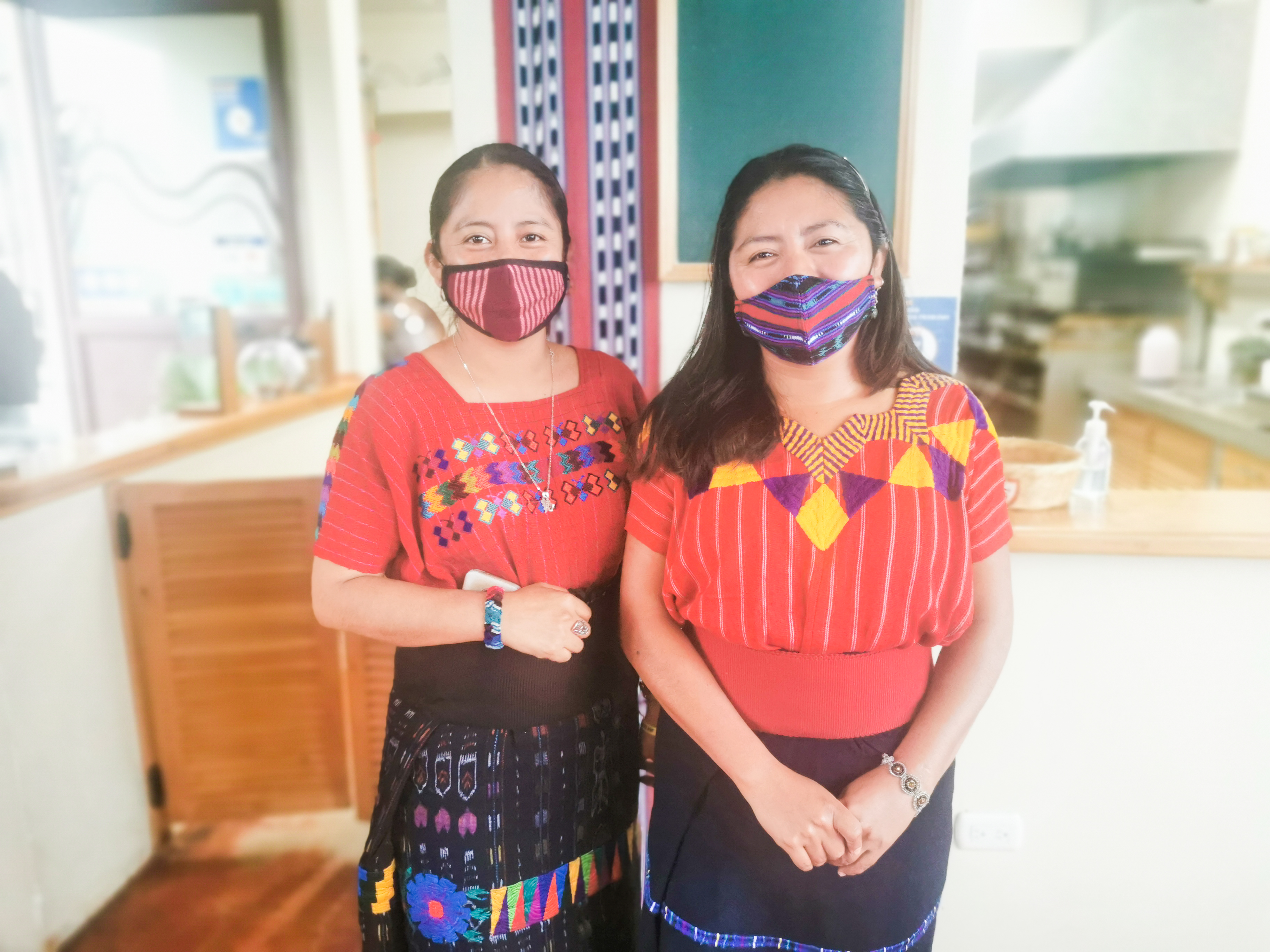
Before leaving we have been introduced to Herminia – the President of a cooperative of women working in textiles. In Guatemala, it is not uncommon for a husband to forbid his wife to work outside the home. In addition, many single women with dependent children must find opportunities that allow them to generate income while looking after their children. This is why Herminia started one of the oldest cooperatives in her village. 37 women can thus generate a satisfactory income while working from home.

By associating, members pool their production and take turns to ensure the sale of their product. By selling to an intermediary, they can expect to receive 15% of the selling price, while by working with the cooperative, they receive 85% of the latter. The remaining 15% is used to pay store rent and running expenses. Herminia explained to us that to join her cooperative, you have to respect 3 rules: be hardworking, be punctual and speak a minimum of Spanish. All decisions are made under a democratic model where the president, secretary and treasurer are elected by the members. If at the end of the year there is money left over – dividends are shared among all participants. The model is fair and sustainable!

Before leaving, Herminia offered to meet her mother and her children. Very smiling, welcoming and well-dressed, we were surprised by the simplicity of her house, made up of a few concrete walls, corrugated iron for the roof and furniture placed on the floor. Without complaint, she explained to us how difficult the covid period had been because it had been necessary to last several months with only a few bags of corn.

#Maximon for Latinos and San Simon for Spaniards
This weekend, we went for a walk in the village of Santiago located on the other side of Lake. There, we had an unlikely meeting with Maximon – a deity revered throughout the region at the crossroads between Mayan, Spanish and Catholic cultures. Every year, the human-sized effigy is received by a resident of the village, so it is impossible to have a precise address. Two policemen gently escorted us through the narrow little alleys to visit Maximon. Flowers, candles and incense smoke accompanied the offerings. We notably saw a young man on his knees offering a vial of Vodka which was emptied into the mouth of the deity. Improbable! 🙂

Absolutely brilliant first week with los amigos. More info next week! 🙂
Have a great week,
Quentin, Marine and Romain

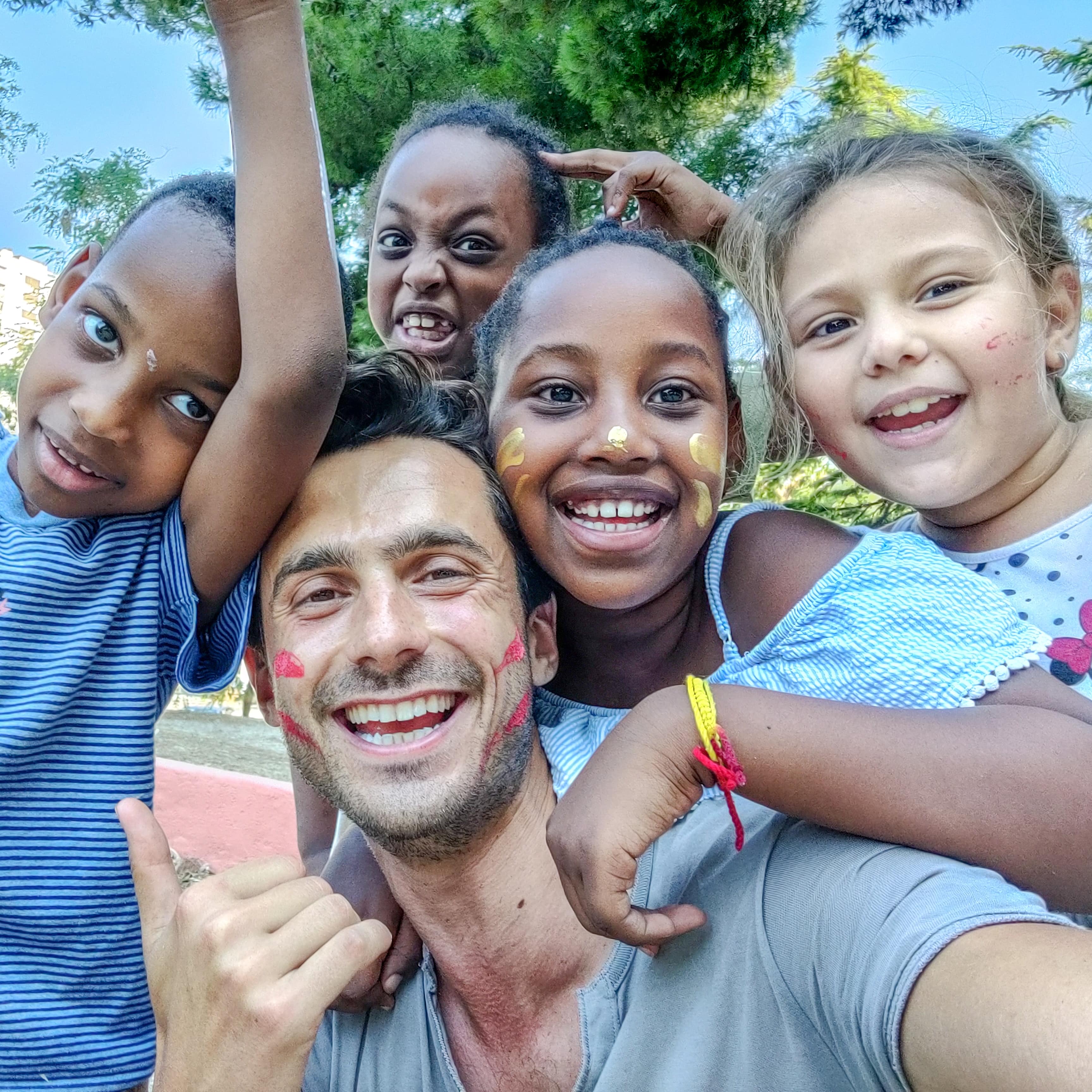
Salut à tous,
English version below 🙂
On espère que vous allez tous bien. Voici les dernières nouvelles de notre aventure Marseillaise!🙂
#Notre Quotidien Avec Les Jeunes : les activités de rue


Tous les jours, en fin d’après-midi, nous partions par groupe de 6-7 volontaires organiser des activités de rue pour les enfants dans l’une des cités avoisinantes. Assigné à la cité Bellevue, nous avons organisé des jeux par équipes ainsi que des grands jeux thématiques comme les jeux olympiques ou l’île des pirates. M’étant déguisé en Rackham le Rouge pour l’occasion, j’ai eu le droit au surnom toute la semaine suivante. 🙂 Ces activités avaient deux objectifs : encourager les enfants à jouer ensemble et engager la conversation avec ceux qui le souhaitaient. Les discussions étaient riches ! Après avoir fait connaissance, certains ont par exemple commencé à poser des questions sur le métier d’ingénieur, les études qu’il fallait faire pour y arriver…

Ailis, 5 ans m’a particulièrement marqué. Le fait que je me souvienne de son prénom était très important pour lui. Sachant qu’il y avait Ailis, Aissa, Aisser et Aissam dans le groupe, il a rapidement constaté que j’étais en galère. 🙂Il m’a donc proposé un challenge. Si l’un d’entre nous deux ne se souvenait plus du prénom de l’autre, alors il devrait faire 10 pompes. On a bien ri ! 🙂 Il aurait clairement pu être mon petit frère ou mon cousin. Ce qui m’a révolté, c’est de me rendre compte des multiples challenges qu’il devra surmonter pour obtenir une trajectoire de possibilités équivalente à celle dont j’ai pu bénéficier. A la naissance, nous ne démarrons clairement pas tous à égalité! Je n’oublierai pas tous ces bons moments passés avec Rama, Aissa, Ailis, Yassine, Safia, Rayana, Djibril, Aaron, Chaimaa, Mohammed, Abder, Jade, Aisser, Stéphane, Sabrina, Aissam, Matisse, Abdu et Cadidja.
#Les Leviers Pour Agir : Le soutien scolaire & l’insertion professionnelle


Pour faire face au risque de décrochage scolaire, nous avons pu identifier deux leviers efficaces : le soutien scolaire et l’orientation professionnelle. Au sein de l’association ou directement chez l’habitant, Massabielle propose des cours de soutien. Bien que certains parents n’aient pas fait beaucoup d’études, nous avons rencontré de nombreux parents très impliqués dans le suivi scolaire de leurs enfants. En parallèle, Massabielle a monté le centre Ozanam où nous y avons fait notre chantier. La liste de classe m’avait interpelé car 90% des prénoms étaient compris entre les lettres R et Z. Beaucoup de jeunes veulent travailler mais beaucoup n’ont pas les codes, le réseau et ont du mal à cerner le champ de possibilités qui pourraient s’offrir à eux. Footballeur, rappeur, agent d’entretien ou de sécurité ne sont pas les uniques possibilités. Un accompagnement sur l’orientation professionnelle est la clé.


Rattaché à l’association, Massajob est un programme d’accompagnement de 250 -300 habitants du quartier à l’insertion professionnelle. On y trouve 2 piliers : « la vie en grand » programme de 2-3 jours visant à ce que les jeunes prennent confiance, identifient leurs talents et leurs rêves. Puis « la route de l’emploi », programme de 15 jours visant à préparer les jeunes aux entretiens (tenue, CV, lettre de motivation, respect des horaires…) et à les aider dans leurs recherches. Nous avons eu la chance de rencontrer Moussa qui avait repris une formation pour devenir maître-chien et qui venait de décrocher un contrat à l’hôpital. En partenariat avec les écoles, Massajob cherche aussi à organiser des témoignages de salariés d’horizons différents auprès des jeunes.
#Le Sport : Une ouverture en dehors de la cité

Le soir de notre arrivée, il y a eu des feux d’artifices pour la finale du tournoi inter-cité. Chaque cité a son équipe, son maillot et ses supporters. De grands joueurs pro reviennent parfois jouer avec les équipes de leur quartier. Savez-vous pourquoi l’arbitre porte une cagoule lors de certains matches de derby ? 🙂 En cas de coup de sifflet mal interprété, il faut parfois mieux rester incognito à la sortie du stade. 🙂Lors d’une activité de rue, j’ai eu la chance de rencontrer Saïd, originaire des Comores et Président du Sporting Club Karthala Marseille qui m’a expliqué les enjeux des clubs formateurs de la cité. Ancien joueur, il a notamment côtoyé Evra, Cissé… Les jeunes prodiges sont identifiés dès l’âge de 5 ans afin d’être formés dans l’optique de peut-être signer un contrat de footballeur professionnel. A partir de 14 ans, tout transfert fait l’objet d’un contrat entre les clubs où la famille touche 81% du montant et le club formateur 19%. C’est en partie grâce au placement de joueurs à l’OM, Bordeaux, Arles… que Saïd a pu développer son club. Pour attirer les jeunes, un des leviers qui fonctionne, c’est la marque des maillots. Très fier, il venait tout juste de lancer un partenariat avec Puma et Kappa.

Sachant que peu de jeunes deviendront professionnels, l’objectif de Saïd, c’est surtout de les aider à développer la sociabilité, l’esprit d’équipe, le travail… mais aussi de permettre aux jeunes de sortir de la cité et de voir autre chose grâce aux matchs à l’extérieur. Les plus chanceux ont même pu prendre l’avion pour la première fois. Pour Saïd, le foot permet aux jeunes de rêver et d’avoir des étoiles dans les yeux. Il fait tout pour les pousser à travailler à l’école et à ne pas tomber dans la drogue. Par exemple, il s’est arrangé avec l’OM pour avoir des places pour les matchs qu’il remet aux joueurs méritants aux entraînements et qui ont de bonnes notes.
#Une Jour Une Rencontre : Invitation chez Roselyne et Mathis

Pour notre dernière soirée, nous avons été invités chez Roselyne. Nous sommes venus avec une partie du repas car pour certaines familles, recevoir n’est pas simple car chaque euro est compté. Nous avons passé une super soirée et bien ri avec la démonstration de skate de son fils Mathis qui avait des projets pleins la tête. Nous avons compris que sa mère se sacrifiait en mettant tout de côté pour ses enfants. Avec l’équivalent d’un smic pour 3 personnes, elle avait réussi à envoyer son fils dans une école privée. Elle veillait quotidiennement à ses fréquentations, à son comportement et à ses notes. Tout en admettant qu’elle ne pouvait pas suivre ses devoirs et qu’elle ne comprenait pas toutes les conversations, une chose était certaine, elle se battait avec ardeur pour son fils et son avenir. Résultat : son fils était premier de sa classe. Après quelques minutes d’écriture, Mathis nous a fait un beau cadeau : un freestyle! En voici une démo :
#Une Aventure Incroyable tout en restant vigilant


Cette année encore, ce fut une formidable aventure humaine qui nous a permis de déconstruire nos nombreux clichés sur les cités. Nous y avons découvert un sens de l’accueil exceptionnel ainsi qu’une une belle vision de la mixité sociale dont nous devrions nous inspirer. Je n’oublierai pas les mots d’Amor sur le chemin de Bellevue pour me présenter à un de ses amis qui était musulman : « Ici dans la cité, on ne regarde pas la religion mais on regarde le cœur ». Cependant, il est important de garder à l’esprit que tout n’est pas rose. La précarité et la violence font partie du quotidien. Pendant notre séjour, deux jeunes ont mis volontairement ou involontairement (on ne saura jamais) le feu au niveau du mur d’enceinte de l’association. Marine (ma soeur) s’en est rendue compte à temps et tout le monde s’est empressé de l’éteindre avec les moyens du bord. 8m2 de terrain brûlé en quelques instants. Cela aurait pu tourner à la catastrophe. Le mot d’ordre : rester vigilant.

Pour conclure ces quelques lignes, je rentre à Paris avec un mélange étrange de rage et d’espoir. Nous avons été témoins de situations profondément injustes qui nous font prendre conscience de la chance que nous avons. Cette chance, nous n’avons pas le droit de la gâcher. Mais c’est aussi un sentiment d’espoir en se disant que changer les choses, c’est possible ! De la jungle Ougandaise, à l’une des plus insalubres décharges Indienne, en passant par une entreprise sociale au Cambodge et le plus grand bidonville urbain kenyan, avant d’arriver à Marseille, j’ai eu la chance d’y rencontrer des centaines de citoyens d’horizons les plus divers se battant tous pour un monde meilleur! A ce jour, nous avons toutes les raisons d’y espérer et d’y aspirer. Que vous soyez entrepreneurs, professeurs, étudiants, parents, activistes, politiciens, journalistes, investisseurs…, nous pouvons tous avoir de l’impact à notre échelle. Qu’il s’agisse du choix des produits que nous mettrons dans notre chariot pendant nos courses, des journalistes lorsqu’ils écriront leurs prochains articles sur les cités, d’investisseurs choisissant leurs futurs investissements, d’étudiants lorsque des entreprise agissant contre leurs valeurs leurs feront des offres alléchantes ou d’activistes engagés pour une cause juste mais difficile à défendre, nous pouvons tous agir sur le système à notre niveau! 🙂
Belle journée à tous,
Marine, Claire, Matthieu et Romain
« At our pace and scale, everyone can aspire to change to world »
Ps : Petite dédicace à mes chers frères et sœurs qui ont accepté de rejoindre cette aventure ! On s’en souviendra longtemps ! 🙂

———————–
Hi everyone,
We hope you are all doing well.
Here is the latest news from our adventure in Marseille! 🙂
#Our Daily With Young People: street activities
Every day, at the end of the afternoon, we were leaving in groups of 6-7 volunteers to organize street activities for the children in one of the neighboring districts. Assigned to the district Bellevue, we have organized team games as well as thematic ones such as the Olympic Games or the Pirate Island. Dressing up as Red Rackham for the occasion, I was entitled to that nickname all the following week. 🙂These activities had two objectives: to encourage children to play together and to engage in conversation with those who wanted to. The discussions were rich! After getting to know each other, for example, some began to ask questions about the engineering profession, the studies that had to be done to get there …
Ailis, 5 years old particularly marked me. It was very important to him that I remember his first name. Knowing that there were Ailis, Aissa, Aisser and Aissam in the group, he quickly saw that I was in trouble. 🙂So he offered me a challenge. If one of us can’t remember the other’s first name, then he should do 10 push-ups. We had a good laugh !🙂 He clearly could have been my little brother or my cousin. What revolted me was realizing the multiple challenges he will have to overcome to obtain a trajectory of possibilities equivalent to the one I have been able to benefit from. At birth, we clearly do not all start equally! I will not forget all these good times spent with Rama, Aissa, Ailis, Yassine, Safia, Rayana, Djibril, Aaron, Chaimaa, Mohammed, Abder, Jade, Aisser, Stéphane, Sabrina, Aissam, Matisse, Abdu and Cadidja.
# Levers to take actions: Academic support & professional integration
To deal with the risk of dropping out of school, we have been able to identify two effective levers: academic support and career guidance. Within the association or directly at home, Massabielle offers support classes. Although some parents did not pursue long studies, we met many parents who were very involved in their children’s education. At the same time, Massabielle set up the Ozanam center where we did our renovation work. The class list appealed to me because 90% of the first names were between the letters R and Z. Many young people want to work but many do not have the codes, the network and have difficulty in identifying the range of possibilities that they could go after. Footballer, rapper, maintenance or security officer are not the only possibilities. Career guidance support is key.
Attached to the association, Massajob is a support program for 250-300 inhabitants of the district for employment. There are 2 pillars: “dream big”, a 2-3 day program aimed at helping young people gain confidence, identify their talents and their dreams. Then “the road to employment”, a 15-day program designed to prepare young people for interviews (outfit, CV, cover letter, respect for schedules, etc.) and to help them in their research. We had the chance to meet Moussa who had resumed training to become a dog handler and who just got a new contract at the hospital. In partnership with schools, Massajob also seeks to invite employees from different backgrounds to testify about their careers.
#Sport: An opening outside the district
The night we arrived there were fireworks for the inter-district tournament final. Each city has its team, its shirt and its supporters. Great pro players sometimes come back to play with their prior district teams. Do you know why the referee wears a balaclava in some derby matches?🙂 In the event of a misinterpreted whistle, it is sometimes better to remain incognito when leaving the stadium. 🙂During a street activity, I had the chance to meet Saïd, originally from the Comoros and President of Sporting Club Karthala Marseille, who explained to me the challenges of the districts’ training clubs. As a former player, he has trained with Evra, Cissé, etc. Young prodigies are identified from the age of 5 in order to be trained with an objective to perhaps signing a contract as a professional footballer. From the age of 14, any transfer is subject to a contract between the clubs where the family receives 81% of the amount and the training club 19%. It is partly thanks to the placement of players at the Olympic Marseille, Bordeaux, Arles … that Saïd has been able to develop his club. To attract young people, one of the levers that work is the brand of the shirt. Very proud, he had just launched a partnership with Puma and Kappa.
Knowing that few young people will become professionals, Saïd’s objective is above all not only to help them develop sociability, their team spirit, work capacity… but also to allow young people to leave the district and see something different thanks to extrernal games. The lucky ones were even able to fly for the first time. For Saïd, football allows young people to dream and have stars in their eyes. He does everything to get them to work well at school and not fall into drugs. For example, he made arrangements with Olympic Marseille to get tickets for the games and then, he gives them to deserving players and to the ones who have good grades.
#One Day A Meeting: Invitation to Roselyne and Mathis
For our last evening, we have been invited by Roselyne for dinner. We came with part of the meal because for some families, hosting is not easy when every euro is counted. We had a great evening and had a good laugh with the skate demonstration of his son Mathis who had his head full of projects. We understood that her mother was sacrificing herself by putting everything aside for her children. With the equivalent of a minimum wage for 3 people, she had managed to send her son to a private school. She took care of his frequenting, his behavior and his grades on a daily basis. While admitting that she couldn’t keep up with her homework and didn’t understand all the conversations, one thing was certain, she fought hard for her son and his future. Result: her son was first in his class. After a few minutes of writing, Mathis gave us a nice gift: a freestyle! Here is a demo: LINK: Youtube
#An Incredible Adventure while remaining vigilant
This year again, it was a tremendous human adventure which allowed us to deconstruct our many clichés on the districts. We discovered there an exceptional sense of welcome as well as a beautiful vision of diversity from which we should be inspired. I will not forget Amor’s words on the way to Bellevue to introduce myself to one of his friends who was a Muslim: “Here in the city, we do not look at religion but we look at the heart”. However, it is important to keep in mind that all is not rosy. Insecurity and violence are part of everyday life. During our stay, two young people voluntarily or involuntarily (we will never know) set fire to the surrounding wall of the association. Marine (my sister) realized this in time and everyone rushed to shut it down with whatever means at hand. 8m2 of land burned in a few moments. It could have turned into a disaster. The watchword: stay alert.
To conclude these few lines, I return to Paris with a strange mixture of rage and hope. We have witnessed deeply unfair situations that make us realize how lucky we are. We have no right to waste this chance. But it’s also a feeling of hope when you tell yourself that change is possible! From the Ugandan jungle, to one of the most unsanitary dumping ground in India, through a social enterprise in Cambodia and the largest urban Kenyan slum, before arriving in Marseille, I had the chance to meet hundreds of citizens from the most diverse backgrounds all fighting for a better world! To this day, we have every reason to hope and aspire to it. Whether you are entrepreneurs, teachers, students, parents, activists, politicians, journalists, investors … we can all make an impact on our scale. Whether it is the choice of products that we will put in our cart during our shopping, journalists when they will write their next article on the districts, investors choosing their next investment, students when companies acting against their values will make them attractive offers or activists committed for a just cause which is hard to defend, we can all act on the system at our level! 🙂
Have a nice day everyone,
Marine, Claire, Matthieu and Romain
“At our pace and scale, everyone can aspire to change to world”
Ps: dedication to my brothers and sisters who have agreed to join this adventure! We will remember this for a long time!🙂
Salut à tous,
English version below 🙂
Comment allez-vous ?
Très rapidement, nous avons pris nos marques et repères au sein de Massabielle et les jours ont filé à toute allure. Ne pouvant être là dès le début de l’aventure, notre petite sœur Claire nous a rejoints à la fin de la première semaine.
#Notre quotidien
Les journées étaient rythmées par un emploi du temps chargé avec le matin, un temps spirituel et de l’aide pour le fonctionnement de l’association et l’après-midi un temps de service (chantiers, échanges avec les habitants, soutien scolaire, animations avec les enfants…) pour la cité.
Sur le plan spirituel, j’ai particulièrement été marqué par le témoignage du couple responsable de Massabielle à la cité des Lauriers (une cité correspond à une barre d’immeubles). Aux Lauriers depuis 8 ans, ils nous ont expliqué que, sans leur foi chrétienne, ils n’auraient jamais pu tenir plus de 6 mois. Ils auraient claqué la porte 100 fois… Un jour, un jeune a manqué de leur tirer dessus au harpon. Une autre fois, les trafiquants les ont enfermés dans les caves de l’immeuble lorsqu’ils avaient pris l’initiative de proposer des jeunes motivés suite à un appel d’offres public. Comment aurais-je réagi à leur place ? En tant que catholique, j’ai beaucoup apprécié les échanges que j’ai pu avoir, notamment avec Gabi, un évangéliste de la communauté gitane, ou encore Kader, un musulman pratiquant. Cela a renforcé une de mes convictions profondes : dans le respect, les religions peuvent cohabiter les unes avec les autres.

Afin de contribuer au bon fonctionnement de l’association, l’aide se répartissait entre l’entretien et l’intendance. Toutes les grandes surfaces sont maintenant obligées de donner leurs produits périmés aux associations pour éviter le gaspillage. Toutes les semaines, nous allions donc chercher les invendus au Carrefour du coin : c’était la surprise quant aux produits récoltés et s’en suivait alors un important travail de tri et bien sûr de préparation des repas. 100% de la nourriture de Massabielle est ainsi assurée grâce aux dons de Carrefour ! Alors, Merci Carrefour ! 🙂


Quant aux temps de services pour la cité, ils avaient lieu l’après-midi avec un créneau dédié aux travaux chez les habitants ou pour la collectivité, puis un créneau avec les jeunes : animations, soutien scolaire et enfin un moment d’échanges, de rencontres avec les habitants, chez eux.
Pour les travaux, j’étais responsable d’un chantier qui consistait à ouvrir deux classes de 4e et 3e, un laboratoire de chimie et une bibliothèque au sein du centre Ozanam. En effet, il y a quelques années, Massabielle a transformé un vieil hôtel particulier devenu un squat et un lieu de prostitution en un collège hors contrat destiné aux jeunes du quartier. Ainsi, avec une quinzaine de volontaires, nous avons retroussé nos manches : ponçage, peinture, pose de plinthes, de tableaux, d’étagères, aménagement, etc., afin que les salles soient prêtes pour la rentrée. Le lieu est génial ! C’est là que les enfants de Saïd vont à l’école (prochain épisode :-)).


#Les frontières de la cité
Lorsque nous sommes arrivés pour la première fois dans la cité des Lauriers, nous avons eu l’impression de passer une frontière imaginaire, comme si nous changions de pays. Sauf pour aller travailler, les habitants sortent très peu de la cité et les gens de l’extérieur n’ont pas d’intérêt particulier à aller y faire un tour. C’est bien ce qui nourrit nos préjugés ! Après quelques jours sur place, nous y avons découvert deux aspects marquants : la précarité et le sens de l’accueil.


J’avais lu que plus d’un tiers des habitants de la cité vivaient dans la pauvreté. Cette précarité est d’autant plus frappante une fois sur place. Nous sommes entrés dans ces grandes barres d’immeubles défraîchies. Les cages d’escalier aux murs délabrés sont taguées à l’intérieur, ce qui donne une sensation d’insécurité. Il ne fallait plus s’étonner des cafards dans les chambres et la cuisine de l’association, ni des rats, très certainement plus nombreux que les habitants des Lauriers, qui gambadaient de partout…

En revanche, nous y avons rencontré un sens de l’accueil chaleureux, rare en France. Lors de nos visites, il nous est arrivé de sonner au hasard chez les gens afin de nous présenter et de proposer un temps de rencontre. Toutes les familles nous ont ouvert avec le sourire et certaines nous ont même invités à prendre le thé. Nous n’oublierons pas Yollande, appelée « Tata Yoyo », originaire des Comores, qui nous a fait découvrir sa spécialité : le punch coco, ni « Tata Doudou », qui nous a raconté avec simplicité les périples de sa vie, qui a commencé par une mère qui l’avait abandonnée dans une boîte à chaussures. Avec beaucoup d’humour, elle nous a proposé de nous accompagner pour les courses chez Carrefour. Grâce à sa carte d’invalidité, elle a un pass VIP incluant une place de parking dédiée, une caisse prioritaire et enfin la possibilité de fumer devant le magasin ! 🙂 Ni la maman de Romain, qui nous a expliqué en détail la façon dont la maîtresse de son fils s’était débrouillée pour ne pas laisser tomber les élèves motivés pendant le Covid.
#Trafic de drogue et violence
Le trafic de drogue et la violence font partie du quotidien des habitants de la cité. La police s’y rend rarement, sauf pour les descentes. Il y a 2-3 ans à peine, il n’y avait qu’une seule entrée dans la cité et l’emprise des réseaux de trafic était telle que même un agent EDF n’était pas autorisé à entrer sans montrer patte blanche. Il y a quelque temps, lors d’une visite, un volontaire s’était trompé de porte et a été accueilli par un des chefs du réseau qui avait une arme de guerre accrochée dans son salon. Une autre fois, lors d’une descente de police, deux jeunes se sont échappés en passant par l’association, armés de leurs kalachnikovs.
Le réseau est hiérarchisé avec, en bas de l’échelle, les guetteurs, puis les vendeurs, les transporteurs de marchandise et d’armes, ceux qui transfèrent l’argent et enfin les chefs intermédiaires… Les têtes de réseau sont, sans surprise, des cols blancs issus de grandes écoles qui ne mettent jamais les pieds dans les cités ! La drogue est cachée chez des nourrices ou des familles qui, de gré ou de force, la stockent dans leur appartement avant qu’elle ne soit vendue dans les cages d’escalier. Les prix et les horaires d’ouverture de ces « magasins » sont parfois même clairement affichés. 🙂 Lorsque nous rendions visite aux gens, nous privilégiions donc les ascenseurs aux escaliers. À part dire « bonjour » aux guetteurs, nous suivions la règle d’or : « on ne se mêle pas de leurs affaires ». 🙂


Cette violence concerne déjà certains enfants. Il y a quelques semaines, un jeune garçon s’était fait mettre à terre par une fille : une humiliation. Deux groupes s’étaient alors donné rendez-vous pour s’affronter à coups de pierres. Heureusement, les responsables de Massabielle qui les connaissaient ont pu les raisonner à temps. D’après Nathan, le responsable de l’association, même si la violence est encore bien présente, les cités se sont vraiment apaisées ces dernières années. Cependant, il suffirait d’une étincelle pour la raviver.
#Décrochage scolaire
À côté des Lauriers, il y a deux lycées avec des professeurs qui font leur possible, mais dans lesquels vous ne mettriez sûrement pas vos enfants. D’après nos échanges, le décrochage scolaire se produit souvent lorsqu’un jeune pense qu’il est nul et bon à rien. Par exemple, lorsqu’un élève ne comprend pas un chapitre en classe et qu’il se fait répéter 1 fois, 10 fois… qu’il est bon à rien, il finit par y croire et jette l’éponge. On m’a parlé de jeunes qui, à 10 ans, ont déjà la charge de leurs frères et sœurs plus jeunes, car leurs parents commencent très tôt ou finissent très tard leur journée de travail. Ils ont souvent de longs temps de transport s’ils travaillent hors de la cité. Le père de Kabal a tout tenté pour éviter à son fils de tomber dans le trafic : il a essayé de le raisonner. Par désespoir, il a fini par recourir à la force. Un juge lui a dit que s’il recommençait, c’est lui qui finirait en prison. Depuis, son père a lâché prise…

En parallèle, il y a l’influence des « grands frères » qui approchent les jeunes dès 12-13 ans avec des propositions comme : « Tiens, 20 €, tu peux m’acheter une bouteille de coca ? Tu peux garder la monnaie » ou encore « Tu pourrais me remplacer à mon poste de guetteur quelques heures demain ? ». C’est là que tout commence… Payés entre 300 € et 500 € par semaine pour guetter, les jeunes mineurs se sentent « les rois du pétrole » ; il est ensuite difficile de les faire revenir sur les bancs de l’école. Dès 14 ans, certains de ces jeunes pensent déjà qu’ils n’auront pas d’avenir et qu’ils n’ont plus rien à perdre. Malheureusement, c’est souvent à eux que sont confiées les tâches ingrates : disparition de preuves, règlements de comptes… En 2015, 3 jeunes de 15, 18 et 23 ans ont assassiné des jeunes aux Lauriers… Heureusement, des leviers efficaces existent pour éviter le décrochage scolaire (prochain épisode :-)).

#UnJourUneRencontre
Nous sommes partis un jeudi soir à la rencontre des habitants de la cité des Lauriers. L’un des meilleurs spots, c’est entre le skatepark et le terrain de pétanque. 🙂 Nous y avons fait la connaissance de Kathy Taleb, l’une des doyennes de la cité, d’origine marocaine, installée aux Lauriers depuis 43 ans. Comme elle avait besoin d’aide pour couper quelques carreaux de carrelage pour sa cuisine, nous sommes partis avec Matthieu lui prêter main-forte. Entre deux coupes et un jus lait-banane maison, Kathy nous a fait part de ses combats, notamment pour décrocher du travail. Avant de tomber sur un patron qui lui a donné sa chance, elle avait essuyé une quantité de refus à cause de son nom de famille qui, disait-on, « faisait trop arabe ». Consciente qu’elle n’avait pas fait beaucoup d’études, le plus beau cadeau qu’elle souhaitait transmettre à ses enfants, ce sont ses valeurs familiales, le respect des autres et du travail. Pour Kathy, « c’est en faisant que l’on gagne sa crédibilité. Parfois, faire des erreurs, c’est bon pour apprendre et devenir meilleur ».

Belle journée à tous,
Marine, Claire, Matthieu & Romain
—————————————————–
Hi all,
How are you?
Very quickly, we took our bearings within Massabielle and the days went by at full speed. Unable to be there from the start of the adventure, our little sister Claire joined us at the end of the first week.
#Our daily life
The days were punctuated by a busy schedule: spiritual time and help for the functioning of the charity in the morning and service (work sites, exchanges with the inhabitants, school support, activities with children, etc.) for the district in the afternoon.
On the spiritual level, I was particularly moved by the testimony of the couple in charge of Massabielle in the “Lauriers” district. They have lived there for 8 years and explained to us that, without their Christian faith, they could never have lasted more than 6 months. They would have slammed the door 100 times… One day, a young man nearly shot them with a harpoon. Another time, the traffickers locked them in the basement of the building after they had taken the initiative to put forward motivated young people for a public tender. How would I have reacted in their place? As a Catholic, I very much appreciated the exchanges I had, especially with Gabi, an evangelist from the Roma community, and Kader, a practicing Muslim. This reinforced one of my deep convictions: with respect, religions can coexist.
To help the charity run smoothly, our support was divided between maintenance and meals. All supermarkets are now obliged to give their expiring products to charities to avoid waste. So, every week, we went to collect the unsold items at the nearby Carrefour: the products collected were always a surprise, followed by a lot of sorting and, of course, meal preparation. 100% of Massabielle’s food is thus provided by donations from Carrefour! So, thank you Carrefour! 🙂
The service for the district took place in the afternoon, with a time slot dedicated to work for the inhabitants or the community, then a time slot with the young people: activities, academic support and finally a moment of discussion with the inhabitants, in their homes. For the renovation work, I was in charge of a project to open two classrooms for 8th and 9th grade, a chemistry laboratory and a library at the Ozanam center. A few years ago, Massabielle transformed an old mansion that had become a squat and a place of prostitution into an independent middle school for young people from the district. So, with about fifteen volunteers, we rolled up our sleeves: sanding, painting, laying baseboards, installing boards and shelves, fitting out, etc., so that the rooms would be ready for the start of the school year. The place is awesome! This is where Saïd’s children go to school (next episode :-)).
#The borders of the city
When we first arrived in the “Lauriers” district, we had the impression of crossing an imaginary border, as if we were entering another country. Except to go to work, the inhabitants rarely leave the district, and outsiders have no particular reason to go there. This is what feeds our prejudices! After a few days there, we discovered two striking aspects: precariousness and a sense of welcome.
I had read that over a third of the district’s residents live in poverty. This precariousness is even more striking once you are there. We entered these big, run-down apartment blocks. The stairwells, with their dilapidated walls, are covered in tags, giving a feeling of insecurity. We were no longer surprised by the cockroaches in the charity’s bedrooms and kitchen, or by the rats running around everywhere, certainly more numerous than the inhabitants of the “Lauriers” district…
On the other hand, we found a warm sense of welcome that is rare in France. During our visits, we sometimes rang doorbells at random to introduce ourselves and suggest a chat. All the families opened the door with a smile and some even invited us in for tea. We will not forget Yollande, known as “Tata Yoyo”, from the Comoros, who introduced us to her specialty: coconut punch; nor “Tata Doudou”, who simply told us the story of her life, which began when her mother abandoned her in a shoebox. With a lot of humor, she offered to come shopping with us at Carrefour. Thanks to her disability card, she has a VIP pass including a dedicated parking space, a priority checkout and even the possibility of smoking in front of the store! 🙂 Nor Romain’s mother, who explained in detail how her son’s teacher managed not to let motivated students down during Covid.
# Drug trafficking and violence
Drug trafficking and violence are part of the daily life of the district’s inhabitants. Police rarely go there except for raids. Just 2-3 years ago, there was only one entrance to the district, and the grip of the drug network was such that even an EDF (electricity) agent was not allowed in without showing credentials. Some time ago, during a visit, a volunteer knocked on the wrong door and was greeted by one of the network’s leaders, who had a military-grade weapon hanging in his living room. Another time, during a police raid, two young people escaped through the charity with their Kalashnikovs.
The drug network is hierarchical, with, at the bottom of the ladder, the lookouts, then the sellers, the carriers of drugs and weapons, those who transfer the money and finally the middle managers… The heads of the network are, not surprisingly, white-collar graduates of elite schools who never set foot in the districts! The drugs are hidden in the homes of “nannies” or families who, willingly or under pressure, store them in their apartments before they are sold in the stairwells. The prices and opening hours of these “stores” are sometimes even clearly displayed. 🙂 When visiting people, we therefore took the elevator rather than the stairs. Other than saying “hello” to the lookouts, we followed the golden rule: “mind your own business”. 🙂
This violence already affects some children. A few weeks ago, a young boy was knocked down by a girl: a humiliation. Two groups then arranged to fight each other with stones. Fortunately, the Massabielle leaders who knew them were able to talk them out of it in time. According to Nathan, the head of the charity, although violence is still very present, the districts have really calmed down in recent years. However, it would only take a spark to rekindle it.
# School dropout
Next to the “Lauriers” district, there are two high schools with teachers who do their best, but where you would surely not send your children. From our discussions, dropping out of school often happens when young people think they are useless. For example, when a student doesn’t understand a chapter in class and is told once, ten times… that he is good for nothing, he ends up believing it and gives up. I have been told about young people who, at the age of 10, already look after their younger brothers and sisters because their parents start work very early or finish very late at night. They often have long commutes if they work outside the district. Kabal’s father tried everything to prevent his son from falling into trafficking: he tried to reason with him. Out of desperation, he ended up using force. A judge told him that if he did it again, he would end up in jail. Since then, his father has given up…
At the same time, there is the influence of the “big brothers” who approach young teenagers from 12-13 years old with proposals such as: “Here’s €20, can you buy me a bottle of Coke? You can keep the change” or “Could you replace me at my lookout post for a few hours tomorrow?”. This is where it all begins… Paid between €300 and €500 per week to keep watch, these minors feel on top of the world, and it is then difficult to get them back to school. From the age of 14, some of these young people already think that they have no future and nothing left to lose. Unfortunately, they are often the ones given the dirty work: getting rid of evidence, settling scores, shootings… In 2015, three young people aged 15, 18 and 23 murdered other young people in the “Lauriers” district… Fortunately, effective levers exist to prevent school dropout (next episode :-)).
#OneDayOneMeeting
One Thursday evening, we went out to meet the inhabitants of the “Lauriers” district. One of the best spots is between the skatepark and the pétanque court. 🙂 There, we met Kathy Taleb, one of the oldest residents of the district, of Moroccan origin, who has lived there for 43 years. As she needed help cutting some tiles for her kitchen, we went with Matthieu to give her a hand. Between two cuts and a homemade banana milkshake, Kathy told us about her struggles, in particular to find work. Before finding a boss who gave her a chance, she had faced many rejections because of her last name, which, people said, was “too Arabic”. Aware that she had not studied for long, the best gift she wanted to pass on to her children was her values: family, respect for others and for work. For Kathy, “doing is how you gain credibility. Sometimes making mistakes is good for learning and getting better.”
Have a nice day everyone,
Marine, Claire, Matthieu & Romain

Salut à tous,
English version below 🙂
Comment allez-vous ?
Certains se sont peut-être habitués à des nouvelles au fil de l’eau, mais cette année, l’aventure a été très intense et ne m’a laissé que peu de temps pour rédiger ces quelques lignes : 7 h 30 – 23 h 30 non-stop, 6,5 jours sur 7 ! 🙂 Nous devions initialement partir pour une mission de mesure d’impact dans les favelas de São Paulo, qui a été remplacée par une aventure en plein cœur des quartiers Nord de Marseille. Cette aventure a été particulièrement marquante, car il ne s’agissait pas d’entrer dans le quotidien de familles habitant à l’autre bout du monde, mais dans celui de Françaises et de Français qui vivent un quotidien vraiment très différent de celui que je vis dans ma petite bulle parisienne.

#L’association Massabielle
Avec trois de mes frères et sœurs, nous nous sommes mis au service d’une association exceptionnelle appelée Massabielle. Installée en plein cœur des quartiers Nord, dans le XIIIe arrondissement, elle partage le quotidien de chaque habitant du quartier et accueille tous ceux qui passent la porte. C’est un lieu de paix avec une présence chrétienne. Pour mettre et maintenir debout un jeune dans une cité cernée par la violence et la drogue, il faut plus que du soutien scolaire et des projets de réinsertion : il faut beaucoup de respect, d’écoute et de bienveillance. C’est une mission que Massabielle remplit avec succès depuis une vingtaine d’années dans la dizaine de cités aux alentours des Lauriers. Une asso chrétienne dans un quartier à 80 % musulman… Comment cela peut-il fonctionner ? Réponse dans le prochain numéro 🙂


#La cité des lauriers
Logés à l’association, nous étions situés au pied de l’une des 18 cités, appelée les Lauriers : une barre d’immeubles de 14 étages dans laquelle habitent un peu plus de 1 800 personnes. Cette cité a été construite après-guerre afin de loger « temporairement » les immigrés venus aider à la reconstruction de la France. La plupart de ces constructions sont aujourd’hui vétustes et insalubres à l’intérieur. Avec l’extrême droite à la tête de la mairie de secteur jusqu’en 2020, les budgets alloués aux projets de rénovation ont été, sans surprise… assez maigres. 🙂
D’après Kathy, une doyenne de la cité rencontrée au skatepark, la vie était paisible les premières années, avant que le trafic de drogue et la violence n’arrivent. À ce moment-là, toutes les familles qui en avaient les moyens sont parties. Aujourd’hui, la grande majorité des habitants n’ont pas les moyens d’aller vivre ailleurs. 40 % des habitants des Lauriers sont actuellement au chômage. La plupart cherchent à s’en sortir (cela passe notamment par les femmes, j’y reviendrai plus tard :-)), mais les obstacles sont nombreux.


#Notre arrivée et la fin des clichés
Je ne vous recommande pas de faire une recherche Google sur la cité des Lauriers, car malheureusement les médias aiment le sensationnel plutôt que de parler de ce qui est positif. 100 % des articles publiés font référence à des mots-clés comme fusillades, incendie, règlement de comptes… C’est une réalité, certes, mais cela ne représente qu’une petite partie de la vie de la cité.
Comme j’étais l’un des plus âgés des volontaires, Nathan, le responsable de l’association, m’a tout de suite fait comprendre qu’il me confierait des responsabilités. 🙂 Quelques heures après notre arrivée, nous voilà partis en voiture en direction de Brico Dépôt afin de préparer le chantier que j’allais animer. Au moment de sortir du parking (en sens inverse, mais c’était normal :-)), une grosse Audi Q4 blanche se met en travers de notre chemin et nous fait signe de reculer. Le conducteur, habillé comme dans les films de gangsters, finit par mettre les gaz et faire un tour de parking à toute allure avant de s’arrêter devant nous. C’est là qu’il nous a gentiment salués avec un grand sourire avant de repartir. C’était surréaliste ! Une fois les salutations terminées, on a fini par m’expliquer que c’était la voiture utilisée pour les go-fast du quartier. Ce jeune, Nathan le connaissait bien. C’était un sportif avec du potentiel qui avait malheureusement décroché à l’école avant de commencer comme guetteur pour le « trafic ». Mon frère a vécu une expérience similaire en raccompagnant une grand-mère en fauteuil roulant électrique. La grand-mère a malencontreusement « dégommé » la chaise du guetteur du bloc G, sur laquelle était posée de la drogue. Mon frère, perplexe, s’est excusé et le guetteur lui a répondu d’un air amusé : « T’inquiète, c’est pas grave ! ». Le soir même, on s’est rendu compte que nos clichés allaient voler en éclats et que l’on allait vivre une aventure loin des préjugés gravés par les images véhiculées dans les médias…

#UnJourUneRencontre
Durant cette aventure, je me suis lié d’amitié avec Kader, un grand-père d’origine algérienne. Très gentil, il venait tous les jours à l’association nous proposer le thé avec ses traditionnelles madeleines. Grand fan du Real Madrid, il avait toutes les chaînes de foot possibles et imaginables. Lors du match Real Madrid – Manchester City, il nous a invités chez lui pour voir le match ensemble. Pendant le match, un volontaire lui a demandé si cela lui posait problème que l’on soit tous catholiques alors qu’il était de confession musulmane. Sa réponse m’a marqué : très simplement, il nous a répondu que ce n’en était absolument pas un. Tant qu’il y a du respect, les religions peuvent cohabiter. Cela s’est vérifié tout au long de cette aventure. Quelques minutes plus tard, il s’était d’ailleurs éclipsé pour faire sa prière, avant de revenir avec une surprise : des glaces ! 🙂

Belle soirée à tous,
Marine, Claire, Matthieu & Romain
——–
Hi all,
How are you?
Some of you may have gotten used to regular updates, but this year the adventure was very intense and left me little time to write these few lines: 7:30 am – 11:30 pm non-stop, 6.5 days out of 7! 🙂 We were initially supposed to leave for an impact measurement mission in the favelas of São Paulo, which was replaced by an adventure in the heart of the northern districts of Marseille. This adventure was particularly striking because it was not about entering the daily lives of families living on the other side of the world, but those of French people whose daily lives are very different from mine in my little Parisian bubble.
# The Massabielle association
With three of my brothers and sisters, we volunteered for an exceptional charity called Massabielle. Based in the heart of the northern districts of Marseille, it shares the daily lives of the inhabitants of the different housing blocks and welcomes everyone who walks through the door. It is a place of peace with a Christian presence. To help a young person get back on their feet in a housing project surrounded by violence and drugs, it takes more than tutoring and reintegration projects: it takes a lot of respect, listening and kindness. This is a mission that Massabielle has successfully carried out for the past twenty years in the dozen housing blocks around the one called “Les Lauriers”. A Christian charity in an 80% Muslim neighborhood… How can this work? Answer in the next newsletter. 🙂
#The building « les lauriers »
Staying at the charity, we lived at the foot of one of the 18 housing blocks, called “Les Lauriers”: a 14-story building where just over 1,800 people live. It was built after the war to “temporarily” house the immigrants who came to help rebuild France. Most of these buildings are now run-down and unsanitary inside. With the far right running the district town hall until 2020, the budgets allocated to renovation projects were, unsurprisingly… quite meager. 🙂 According to Kathy, one of the oldest residents, whom we met at the skatepark, life was peaceful in the early years, before drug trafficking and violence arrived. At that time, all the families who could afford it left. Today, the vast majority of residents cannot afford to move elsewhere. 40% of Les Lauriers residents are currently unemployed. Most of the inhabitants are fighting to get out (especially the women; I will come back to this later :-)), but the obstacles are numerous.
#Our arrival and the end of the clichés
I do not recommend doing a Google search on Les Lauriers, because unfortunately the media love sensational news and rarely mention positive initiatives. 100% of the published articles refer to keywords such as shootings, fire, settling of scores… It is a reality, but it only represents a small part of daily life around this housing block.
As I was one of the oldest volunteers, Nathan, the head of the charity, immediately made it clear that he would give me responsibilities. 🙂 A few hours after our arrival, we drove to Brico Dépôt to prepare the renovation work I was going to lead. As we came out of the parking lot (the wrong way, but that was normal :-)), a big white Audi Q4 blocked our way and signaled us to back up. The driver, dressed like a gangster in the movies, ended up hitting the gas, speeding around the parking lot before stopping in front of us. He then greeted us kindly with a big smile before leaving. It was surreal! Afterwards, someone explained to me that this was the car used for the neighborhood’s go-fast drug runs. Nathan knew the young man well. He was an athlete with potential who had unfortunately dropped out of school before starting as a lookout for the “trade”. My brother had a similar experience while walking a grandmother in an electric wheelchair home. The grandmother accidentally knocked over the chair of the G-block lookout, on which drugs had been placed. My puzzled brother apologized and the lookout replied, amused: “Don’t worry, it’s okay!”. That evening, we realized that our clichés would quickly shatter and that we were going to live an adventure far from the prejudices shaped by the images conveyed in the media…
#OneDayOneMeeting
During this adventure, I befriended Kader, a grandfather of Algerian origin. Very kind, he came to the charity every day to offer us tea with his traditional madeleines. A big fan of Real Madrid, he had every football channel you could imagine. For the Real Madrid vs. Manchester City match, he invited us to his flat to watch the game together. During the match, a volunteer asked him if it was a problem for him that we were all Catholics, given that he was Muslim. His answer struck me: very simply, he told us that it was absolutely not a problem. As long as there is respect, religions can live together. This proved true throughout the adventure. A few minutes later, he slipped away to pray before coming back with a surprise: ice cream! 🙂
Have a great evening,
Marine, Claire, Matthieu & Romain

👋After completing our mission 🚀at Friends International, which was to support 🤝the identification and implementation of a recruitment platform to ensure the matching 🔥/ tracking🔎 of hundreds of beneficiaries👦👧, we shared our report📄. We recommended the implementation of two integrated solutions🖥️: Oscar and Salesforce. What we really appreciated was their genuine desire to digitalize all their programs. We had interesting conversations about the implementation of these solutions, team training, the recruitment of their future IT lead / CTO💻, cost 👛optimization…
In general, we have noticed that many NGOs see digitalization as a powerful 💪way to create a sustainable 🚀competitive advantage (centralized data💿 collection, automated reports📄, real-time information ℹ️…). At the same time, the range of available solutions is growing📈. Companies like Salesforce have created specific packages for NGOs, startups are developing dedicated SaaS solutions, and some NGOs have partnered 🤲 to share the costs of developing a 🌠common tech solution…


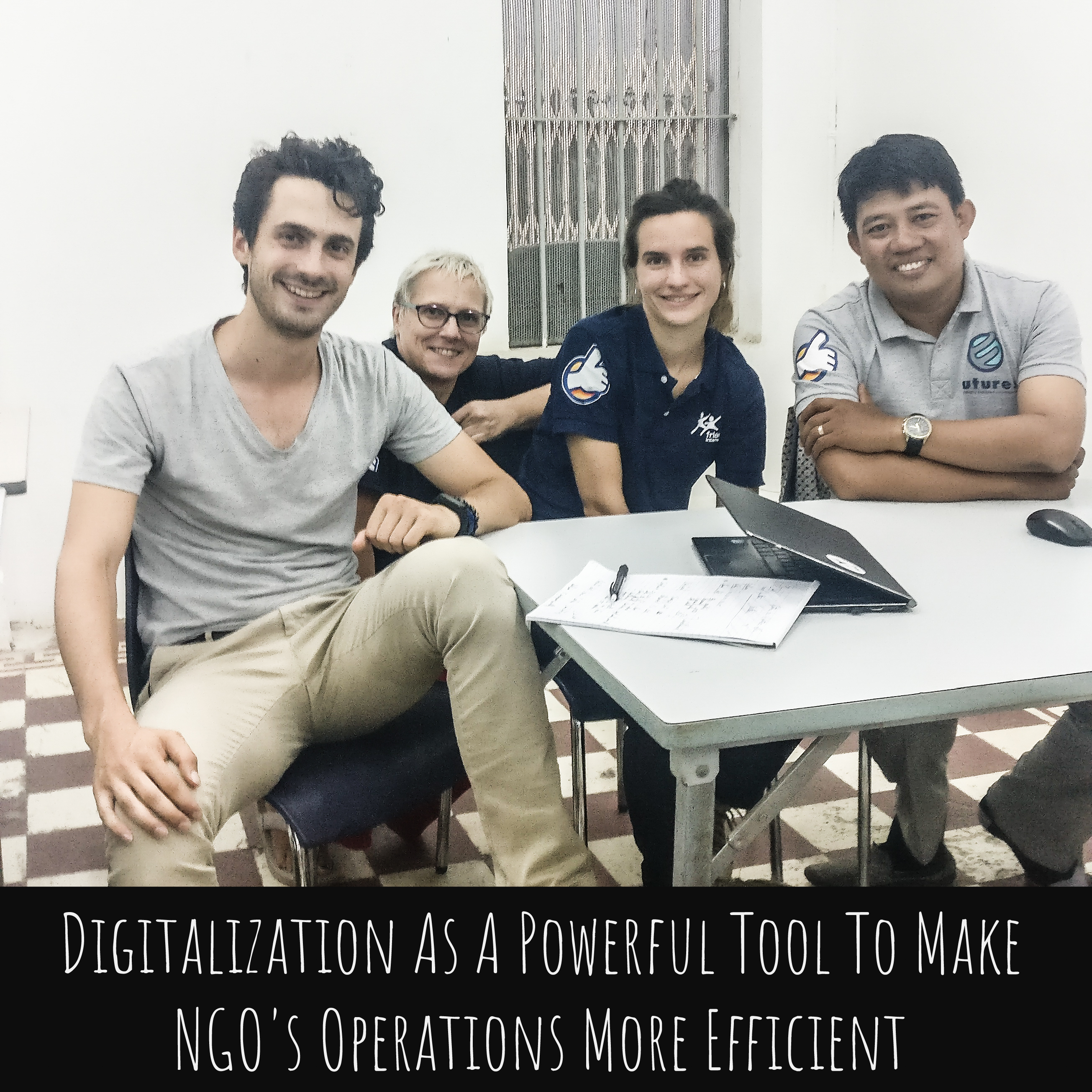
👋Convincing a donor to🌠 support an 👨🏫educational program is much more concrete and attractive 🧲than asking them to finance 💰office rent or IT 💻software, which are just as important. Many NGOs are therefore forced to under-staff or✂️ cut certain key expenses, particularly administrative ones.
To our knowledge, 3 levers can help cover these costs:
1) Securing unrestricted funds that are not tied to specific projects 📝(e.g. EPIC Foundation)
2) Launching self-financing 🌀 activities to cover part of the budget
3) Digitalization🖥️, by integrating a range of IT solutions into their activities
This summer☀️, our mission 🚀at Friends International is part of their digitalization strategy, which aims to set up a central 🎯information system. Who would not dream of collecting data💾 in real time or automating reports? For some NGOs, a single report can take up to a week to consolidate. Our goal 🚀is to help them identify and implement a recruitment👨💼👩💼 platform to ensure the matching / tracking of hundreds of beneficiaries of their Vocational Training Programs with companies seeking to recruit. The stakes are many: cost💰, integration, UX, security, internal resources, API… A few more days ☀️of work and we will provide them with our report.


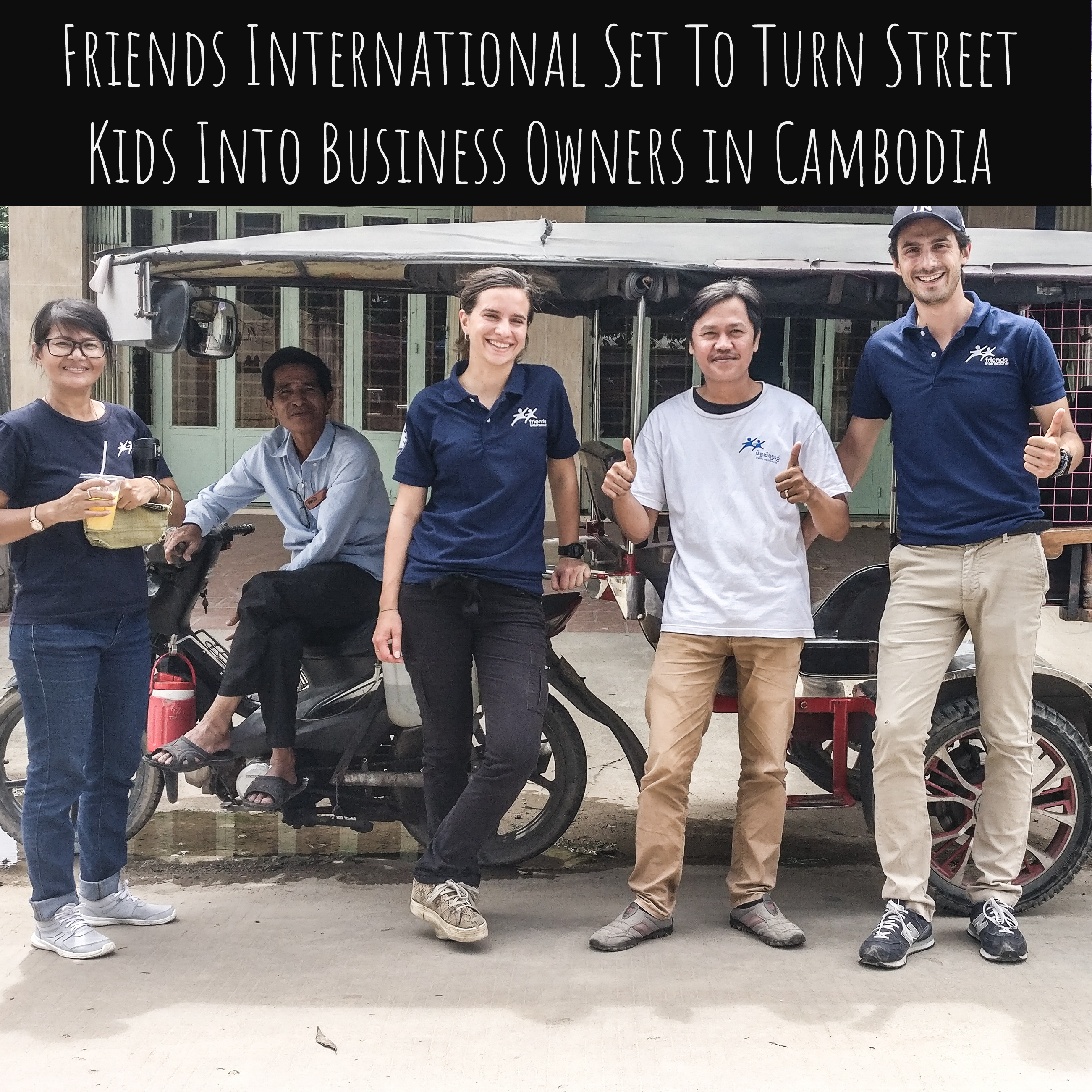
👋Friends International was founded 🚀25 years ago by a French 🇨🇵social entrepreneur, Sebastien Marot. This NGO 🌠can be considered as a social enterprise. Their mission is clear: protecting marginalized children 👦👧and their families and training👨🏫 them with professional skills leading to a full time employment 👨💼in Cambodia 🇰🇭& South East Asia. We have been impressed by the professionalism of the teams and their structured processes from the care of distressed families 👨👩👧👦to full time job placement.
Last year with Friends, it was: 5 countries in South East Asia / 6000 children supported to go to school📗 / 1400 young people accompanied to be employed / 7700 parents supported in the care of their children🌠🌠🌠
Saving Lives: When a youth in distress is identified within a community, the “Saving lives” teams provide a fast⏭️ & straight forward support (drugs💊, health⚕️, violence issues💥…) and perform an assessment on how they could support him in the best way.
Building Futures: A professional training is then proposed to young people👦 by the team “Building Futures”. 7 high potential job tracks💼 have been identified on which they have built training programs coupled with the launch 🚀of real businesses. Students and teachers work together in classrooms and then practice in “real-life” environment. In Phnom Penh🇰🇭, Friends launched the Futures Factory, where a restaurant🍴, a hairdressing salon💇, a beauty salon❇️, a fashion retail concept store🏪, a welding business🥽, an electricity company and a garage 🚗coexist together. By setting up social enterprises across 5 countries, young people👦👧 are trained with the right skillsets, while self-financing 30% of the budget💰 of the organization. It’s amazing, isn’t it? Once they pass their degree🎓, which is recognized by the state, Friends helps them to get a job thanks to their network of partners. We have checked the list🗒️ of requests from Friends’ partners, it’s a long one, well-done! ;-)🌠


Salut la Familia, les Amis, Blisce, EPIC, K35 et Partenaires,
=> English version below 
Time is flying! 🙂 Cette aventure est passée à toute vitesse. Cette dernière semaine a été particulièrement studieuse : d’un côté, Marine a finalisé son outil de suivi et de monitoring des stocks tout en s’assurant que l’équipe de pharmaciens le prenne en main ; de mon côté, coup de rush pour terminer le montage des vidéos réalisées dans le cadre de l’étude d’impact qualitative. Travail d’équipe dans une atmosphère sympathique et pleine d’humour. 🙂
#Mission 1 : Qualitative impact assessment – Impact stories
De nos jours, donateurs et sponsors ne se contentent plus de signer des chèques : ils cherchent de plus en plus à interagir, à comprendre la réalité du terrain et surtout à mesurer l’impact de leurs dons. Ma mission consistait à réaliser 6 vidéos racontant des impact stories liées à chacun des programmes de CFK, pour leur permettre de valoriser leur impact auprès de leurs partenaires. Métamorphosé en journaliste pendant 3 semaines :-), j’ai suivi un programme particulièrement intense, au rythme d’une vidéo tournée et montée tous les deux jours. Une expérience passionnante et complète : réveils aux aurores pour capter un plan particulier, réglages d’exposition des prises de vue, enregistrements sonores… Pour prendre en main le logiciel de montage et ses multiples réglages, les tutoriels YouTube ont été mes meilleurs amis la première semaine. 🙂

À ce jour, CFK dispose de 6 vidéos qui mettent en avant son travail. On y retrouve l’histoire de :
Faith, mère à 14 ans, qui s’est retrouvée seule avec son bébé et a pu reprendre le chemin de l’école grâce au programme Girls Empowerment de CFK
Peter, un jeune sans rêve ni espoir qui va maintenant devenir ingénieur civil grâce au programme Youth Empowerment de CFK, et qui souhaite participer à la reconstruction de Kibera
Belinda, une jeune passionnée de football, recrutée comme professionnelle par un club national après être passée par l’équipe de foot féminine de CFK
Celestine, une femme enceinte victime de saignements pendant sa grossesse, qui n’avait pas les moyens de se soigner mais a été prise en charge par le programme Primary Healthcare de CFK
Immaculate, une jeune étudiante brillante issue d’une famille nombreuse, qui a décroché un emploi de webdesigner / codeuse grâce au programme Youth Empowerment
#Mission 2 : Tabitha Clinic – Optimisation et suivi des stocks
L’un des atouts essentiels de la Tabitha Clinic est d’être construite en plein cœur du bidonville (pas d’accès en voiture, ni en deux-roues !). La clinique est ainsi au plus près de ses patients et de leurs problèmes de santé. Bien que les soins soient de qualité et abordables, la gestion des stocks est un enjeu central et récurrent pour la pharmacie, au regard du flux important de patients. Marine s’est concentrée sur la réorganisation de toute la réserve de médicaments, en répertoriant et en optimisant l’emplacement de chaque médicament disponible.


Par ailleurs, le VIH étant l’une des pathologies les plus présentes dans le pays, il est identifié comme un enjeu de santé publique. Le gouvernement finance et fournit des traitements à la clinique. Le défi pour les pharmaciens, c’est que le suivi de ces traitements n’est pas intégré au logiciel qu’utilise la pharmacie. Le reporting mensuel de gestion des stocks exigé par les autorités de santé demandait jusqu’à deux jours de travail par mois… Pour y remédier, Marine a créé un outil qui permet de gérer les entrées, sorties et soldes du stock en temps réel, et de suivre les dates de péremption des médicaments. Les pharmaciens passeront de deux jours de travail à quelques clics pour imprimer le reporting. En voici un petit aperçu !

#Retour d’expérience & pot de départ
Ce vendredi après-midi, nous avons présenté les résultats de nos missions respectives devant l’ensemble du staff de CFK ! Missions réussies : nos livrables ont été remis dans les temps et l’équipe est ravie ! Une superbe surprise nous attendait… Nous avons tous les deux reçu une tenue traditionnelle, accompagnée d’un goûter de départ super sympa !


Côté ambiance, je vous laisse découvrir en images le staff de CFK 🙂 (surtout la seconde partie de la vidéo)
#Just a thought
Après 3 semaines en plein cœur du bidonville de Kibera, on constate que le Kenya fait partie des nombreux pays capitalistes dans lesquels les inégalités continuent de se creuser. Quand on travaille dans la finance, on peut se poser la question suivante : le capitalisme est-il le modèle économique de demain ? Après réflexion, je suis convaincu que le capitalisme est un bon système, mais que certains de ses contours se sont perdus avec le temps. Le premier défi, c’est la sophistication et la complexification du monde financier, avec l’arrivée de nombreux produits (options, dérivés…) qui ont parfois tendu à déresponsabiliser les actionnaires et à les éloigner des réalités de l’entreprise. Alors que les actionnaires sont censés être les garants de la pérennité et de la vision long terme de celle-ci, on se retrouve parfois dans des situations rocambolesques : des actionnaires qui changent au bout de 6 mois, des valorisations qui font les montagnes russes au gré des spéculations, des CEO qui changent tous les ans… Le second défi, c’est l’arrivée des nouvelles générations, qu’Alexandre aime appeler les Millennials :-), qui sont en quête de sens. Attirer les talents et surtout les retenir est le principal souci de n’importe quelle entreprise. Je suis convaincu que les success stories des 10 prochaines années seront portées par des entreprises, des actionnaires et des équipes de direction qui sauront certes développer des propositions de valeur disruptives, mais aussi innover dans la structure même de l’entreprise afin de recréer un alignement d’intérêts, des valeurs et des responsabilités partagés par les actionnaires, les dirigeants et les employés. On pourrait parler de capitalisme responsable. L’action d’EPIC est un premier pas qui va clairement dans ce sens, avec des solutions telles que le sharing pledge, le don sur salaire ou encore le don sur transactions. Plus d’infos sur ces différentes approches développées par EPIC : LIEN
Un grand merci à Alexandre, Nicola, Charles-Henri et Elisa pour avoir rendu possible cette expérience inoubliable avec Marine cette année !
À très vite,
Marine & Romain
#Bonus
Marine en a profité pour adopter une petite coiffure locale ! 🙂

———————————————————————————————————–
Hi Familia, Friends, Blisce, EPIC, K35 and Partners,
Time is flying! 🙂 This week was particularly intense: Marine finalized her inventory tracking tool while making sure the team of pharmacists could use it on their own. On my side, I focused on editing and finalizing the videos for the qualitative impact study. Teamwork in a friendly atmosphere full of humor. 🙂
#Mission 1: Qualitative Impact Assessment – Impact Stories
Nowadays, donors and sponsors no longer just sign checks: they increasingly want to interact, to understand the reality on the ground and to measure the impact of their donations. My mission was to make 6 videos, each representing one of their programs. Working as a journalist for 3 weeks :-), I followed a particularly intense schedule, with one video shot, edited and finalized every two days. An exciting and complete experience, from early wake-ups for specific shots to exposure settings and sound recordings… To get to grips with the editing software and its many settings, YouTube tutorials were my best friends the first week. 🙂
CFK now has 6 videos highlighting their work. They tell the story of:
Faith, a mother at 14 who was left alone with her baby and was able to return to school thanks to CFK’s Girls Empowerment program
Peter, a young man without dreams or hope, who will now become a civil engineer thanks to CFK’s Youth Empowerment program and who wants to take part in the reconstruction of Kibera
Belinda, a young footballer who was recruited by a national club as a professional after playing in CFK’s women’s football team
Celestine, a pregnant woman who was bleeding during her pregnancy and could not afford treatment, but was supported by CFK’s Primary Healthcare program
Immaculate, a brilliant young student from a large family who became a web designer / coder through the Youth Empowerment program
(The videos are in the French version above :-))
#Mission 2: Tabitha Clinic – Stock Optimization & Monitoring
One of the essential advantages of the Tabitha Clinic is that it is built in the heart of the slum (no access by car or motorbike!). The clinic is thus close to its patients and their health problems. Although the healthcare services are good and affordable, inventory management was a major and recurring issue for the pharmacy, given the large flow of patients. Marine focused on reorganizing the entire drug supply, listing and optimizing the location of each available drug.
Moreover, HIV being one of the most prevalent diseases in the country, it has been identified as a public health issue. The government funds and provides treatments to the clinic. The challenge for pharmacists is that the monitoring of these treatments is not integrated into the software used by the pharmacy. The monthly reporting requested by the health authorities required up to two days of work per month… To improve this, Marine created a tool to manage stock inflows, outflows and balances in real time, and to track the expiry dates of the drugs. Pharmacists will now go from two days of work to just a few clicks to print the reports. Here is a small overview!
#Lessons learned & Farewell
This Friday afternoon, we presented the results of our respective missions to all the CFK staff! Successful missions: our deliverables were handed over on time and the staff was delighted! A superb surprise awaited us… We both received a traditional outfit, along with a farewell party with everybody!
As for the atmosphere, I let you discover the CFK staff in video 🙂 (especially the second part of the video)
Video: LINK
#Just a thought
After 3 weeks in the heart of the Kibera slum, we notice that Kenya is one of the many capitalist countries in which inequality continues to grow. Working in finance, one may ask: is capitalism the economic model of tomorrow? After reflection, I am convinced that capitalism is a good system, but that some of its contours have been lost over time. The first challenge is that the financial world has become more and more sophisticated and complex, with the arrival of many products such as options and derivatives, which have sometimes tended to take responsibility away from shareholders and distance them from the realities of the company. While shareholders are supposed to be the guarantors of the company’s durability and long-term vision, we sometimes find ourselves in absurd situations: shareholders who change after 6 months, valuations on a speculative roller coaster, CEOs who change every year… The second challenge is the arrival of new generations, whom Alexandre likes to call the Millennials :-), who are looking for purpose. Attracting talent, and especially retaining it, is the main concern of any company. I am convinced that the success stories of the next 10 years will be companies, shareholders and management teams that not only develop disruptive value propositions, but also innovate in the very structure of their companies in order to recreate an alignment of interests, values and responsibilities shared by shareholders, managers and employees. We could call it responsible capitalism. EPIC’s action is a great first step in this direction, with solutions such as the sharing pledge, payroll giving and transaction giving. Here is more information about these different approaches developed by EPIC: LINK
A big thank you to Alexandre, Nicola, Charles-Henri and Elisa for supporting this experience with Marine!!!
See you soon,
Marine & Romain
#Bonus
Marine took the opportunity to adopt a small local hairstyle! 🙂

Salut la Familia, les Amis, Blisce, EPIC et Partenaires,
English version below
Salut la Familia, les Potes, Blisce, EPIC et Partenaires,
English version below
Nous sommes bien arrivés à Nairobi lundi dernier à 6 h 20 du matin, après une escale à Dubaï. Direction la famille Siteki, notre famille d’accueil, pour une douche rapide et le temps de poser nos sacs, puis direction Carolina for Kibera pour le début d’une mission passionnante ! Accueil chaleureux de tout le staff de CFK, qui a commencé par nous faire faire le tour du propriétaire : la clinique, le centre de nutrition et le care center. Je vous garantis qu’il s’agit d’une immersion totale ! (cf. petite vue imprenable sur notre palace) 🙂

Impact assessment qualitatif :
Afin de mettre en avant leur impact, Carolina for Kibera cherche à se doter d’une palette de supports pour développer et renforcer son engagement et ses interactions avec ses donateurs et sponsors. Pour cela, ils m’ont chargé d’aller à la rencontre de leurs bénéficiaires afin de recueillir leurs témoignages. Cette semaine, nous avons commencé à nous rendre chez les habitants, dans les écoles et les cliniques du bidonville pour mener nos premières interviews ! Nous sommes rapidement partis dans les coins les plus reculés de Kibera, accompagnés de CFK et des leaders locaux. Sans eux, je m’y serais perdu 15 fois ! 🙂 Kibera, l’un des plus grands bidonvilles d’Afrique, situé au sud de Nairobi, regroupe 1,2 million de personnes issues de 42 tribus et réparties dans 14 villages.


Tabitha Clinic :
Carolina for Kibera a mis en place un programme de santé en créant une clinique au milieu du bidonville, accessible aux habitants pour quelques shillings seulement. Il y a une vraie volonté d’apporter un service de santé de proximité et de qualité. C’est incroyable de voir à quel point toute l’équipe soignante est impliquée dans la prise en charge des patients ! Cela va de la vaccination aux problèmes de malnutrition, en passant par les traitements du VIH, le dépistage du cancer du sein, les premiers secours… Marine travaille principalement à la pharmacie, pour réfléchir à l’optimisation des stocks. L’un de leurs enjeux majeurs est le traitement des patients atteints du VIH et de la tuberculose. Ce sera l’objet des discussions de la semaine prochaine ! À suivre… 🙂

Famille d’accueil Siteki :
Nous avons été accueillis comme des rois par la famille Siteki, qui habite en plein cœur de Kibera. Tabitha, la maîtresse de maison, serial entrepreneuse chevronnée et mère de 5 enfants, nous a accueillis comme ses propres enfants. Son parcours est captivant ! Après avoir perdu son mari il y a 20 ans, avec 5 enfants à charge et un prêt immobilier sur les bras, elle a monté quatre business dans le commerce et la restauration, ce qui lui a ensuite permis d’envoyer deux de ses enfants aux États-Unis. Si elle ne nous voit pas rentrer le soir, c’est la première à s’inquiéter ! 🙂 Même si l’électricité coupe et que la douche ressemble à un gros robinet, nous mangeons comme des princes. Ambiance géniale : on se marre avec ses enfants, qui ont quelques années de plus que nous, et longs échanges interculturels le soir !
Fonctionnement des écoles :
Le fonctionnement des écoles est intéressant, car on distingue 3 types d’écoles :
=> Il est assez surprenant de constater que l’enseignement privé couvre les 2 extrêmes : les plus pauvres et les plus riches. Nous parlons beaucoup d’égalité des chances ; ici, au Kenya, c’est très concret. Tous les élèves passent les mêmes examens. Par exemple, lors d’un examen pratique de physique nécessitant du matériel de mesure, la quasi-totalité des élèves issus des informal schools l’utiliseront pour la première fois le jour de l’examen ! Barrière à l’entrée évidente !

Le témoignage poignant de Faith, 17 ans, étudiante et mère
Jeudi dernier, départ avec Marine à 5 h 30 du matin pour rencontrer Faith. Après 20 minutes de marche entre les baraquements, Faith nous a accueillis dans une baraque en tôle de 12 m² où s’entassait toute sa famille. Avec assurance, Faith nous a décrit sa grossesse découverte au bout de 7 mois, le refus du père, le rejet de sa famille et de ses amis, la mort de l’un de ses jumeaux et ses envies de suicide. Elle a enchaîné sur sa rencontre avec le programme de CFK, qui lui a redonné confiance et lui a permis de retourner à l’école en l’aidant à payer les frais de scolarité ; surtout, elle a appris à dire NON. Ce qui m’a marqué, c’est qu’elle m’a pris à part avant notre départ pour me demander si je pouvais l’aider à obtenir des serviettes hygiéniques. En tant que déléguée de classe, c’est un problème récurrent. Sa demande n’était même pas pour elle, mais pour ses camarades de classe…

Ce week-end, détente sur les plages de Diani et de Mombasa ! Il faut quand même profiter de ces superbes paysages ! 🙂

Bonne journée à tous et surtout bonnes vacances,
À très vite !
Marine et Romain
————————————————————————————————-
Hi Familia, Friends, Blisce, EPIC and Partners,
We arrived in Nairobi at 6:20 am last Monday after a stopover in Dubai. We headed to the Siteki family’s place (our host family) for a quick shower and a few minutes to drop our bags. Then, off to Carolina for Kibera for the beginning of an exciting mission! Warm welcome from all the CFK staff, who started with a tour of the facilities: the clinic, the nutrition center and the care center. I guarantee you that it is a total immersion! 🙂
Qualitative impact assessment:
In order to showcase their impact, Carolina for Kibera wants to build a range of materials to develop and strengthen its engagement & interactions with its donors and sponsors. To do that, they asked me to meet their beneficiaries on the ground and collect their testimonials. This week, we went to schools, clinics and people’s homes to conduct our first interviews in the slum of Kibera! We quickly went to the most remote corners of Kibera, accompanied by CFK and local leaders. Without them, I would have gotten lost 15 times! 🙂 Kibera is one of the largest slums in Africa, located in the south of Nairobi. It is home to 1.2 million people from 42 different tribes, spread across 14 villages.
Tabitha Clinic:
The health program is an important pillar of CFK. They created an affordable clinic in the middle of the slum. There is a real desire to provide a quality health service close to people. It’s amazing how the entire healthcare team is involved in supporting the locals with very limited supplies! Their activities range from vaccination, malnutrition and HIV treatment to breast cancer screening and first aid… Marine is spending most of her time at the pharmacy, working on stock optimization. One of their major challenges is the treatment of HIV and TB patients. This will be the topic of next week’s discussions! To be continued… 🙂
Siteki Host Family:
We have been welcomed like kings by the Siteki family, who live in the heart of Kibera. 🙂 Tabitha, our host, a serial entrepreneur and mother of 5, welcomed us as her own children. Her story is captivating! Having lost her husband 20 years ago with 5 children and a mortgage, she set up 4 businesses in retail and catering, which allowed her to send two of her children to the US. If she does not see us coming back at night, she is the first one to worry! 🙂 Although the electricity cuts out and the shower looks like a big faucet, we eat like princes. Great atmosphere, a lot of fun with her children, who are a few years older than us, and long intercultural exchanges at night!
How Kenyan schools work:
The school system is interesting because there are 3 types of schools:
=> It is quite surprising to note that private education covers the two extremes: the poorest and the richest. We talk a lot about equal opportunities; here in Kenya, it’s very concrete. All students take the same exams. For example, during a practical physics exam requiring measuring equipment, almost all students from informal schools will use it for the first time on the day of the exam! An obvious barrier to entry!
The heartbreaking testimony of Faith, 17, student and mother
Last Thursday, Marine and I left at 5:30 in the morning to meet Faith. After a 20-minute walk between the shacks, Faith welcomed us into a tiny 12 m² house made of metal sheets, in which her whole family was crammed. With confidence, Faith described her pregnancy, discovered after 7 months, the father’s refusal, the rejection by her family and friends, the death of one of her twins and her suicidal thoughts. She went on to describe how she met the CFK team, who gave her back her confidence and allowed her to return to school by helping with the tuition fees; most importantly, she learned to say NO. What struck me was that she took me aside before we left and asked if I could help her get sanitary pads. As class representative, this was a recurring issue. Her only request was not even for herself, but for her classmates…
This weekend, we are relaxing on the beaches of Diani and Mombasa! We have to enjoy the beautiful Kenyan landscapes! 🙂
Have a great day and enjoy your holidays,
See you soon!
Marine and Romain
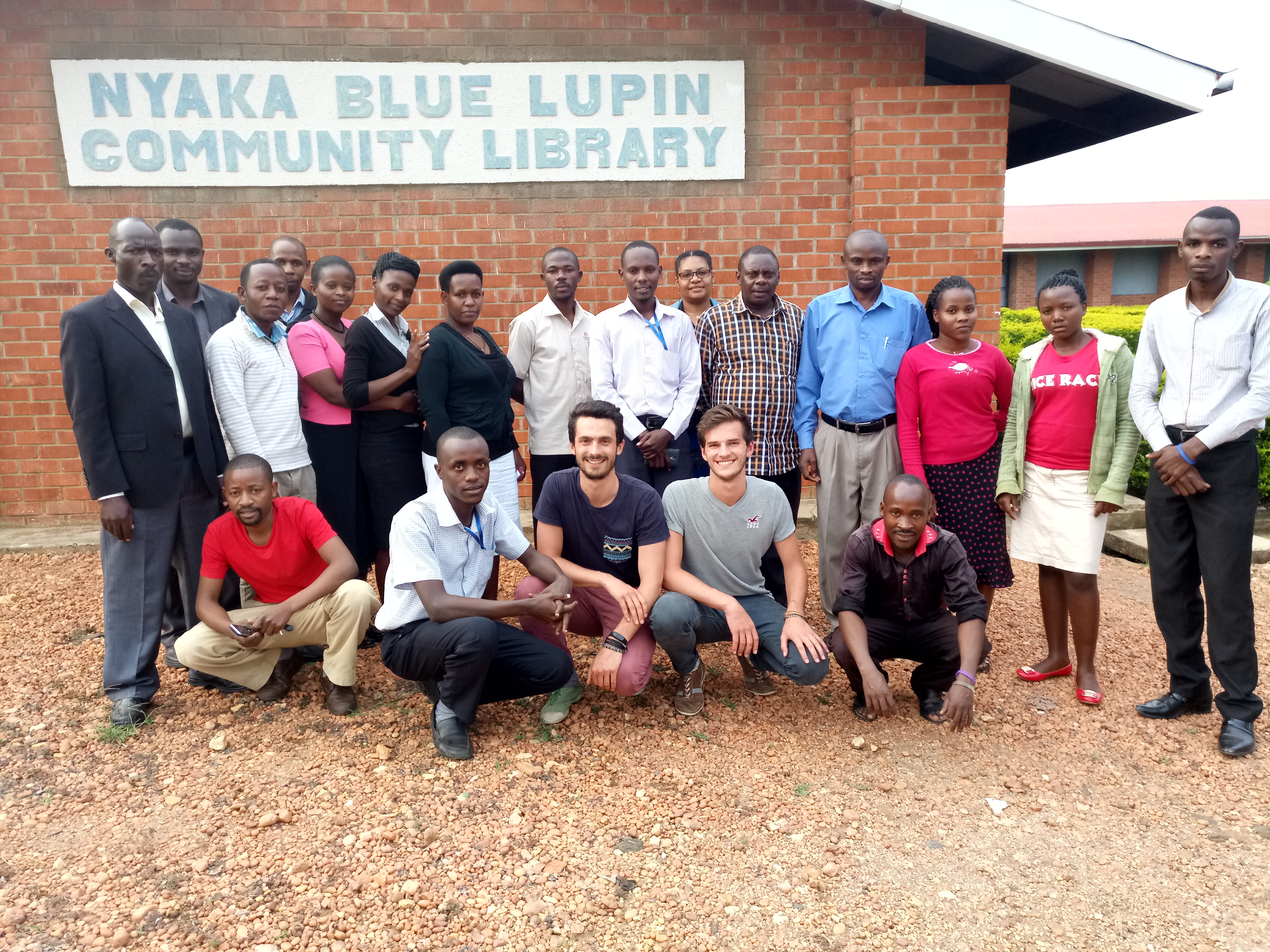
Coucou la familia, salut les potos, cher Blisce, cher EPIC,
English version below
Me voilà tout fraîchement rentré de cette nouvelle aventure hors du commun ! Mon chanceux de frère a pu profiter de quelques heures de plus au bord de la piscine avant de prendre son avion de retour.
Voici quelques infos sur nos péripéties de la semaine.
Nyaka — Retour au bercail à Kampala pour enclencher la 3e phase du projet
Le retour à Kampala a été mouvementé, car nous avons opté pour un bus local qui s’est avéré bondé. Lorsqu’il s’arrêtait, il fallait mettre sur pied une vraie stratégie pour ne pas perdre de vue nos sacs, car au-delà des passagers, nous avons vu monter des diseurs de bonne aventure, des marchands de médicaments miracles, des vendeurs de brochettes par dizaines… 🙂 Une fois arrivés, nous avons trouvé une guesthouse canon en dehors de la ville, avec un terrain de beach-volley sur lequel nous avons ensuite fait des rencontres sympas lors des matchs (joueur de foot pro, chercheur à Harvard…).

Cette semaine à Kampala a été particulièrement studieuse : il fallait boucler nos reportings respectifs. Pour la mission d’analyse d’impact, j’ai consacré les 2 premières journées à consolider les 4 100+ points de données récupérés sur le terrain auprès des 3 écoles Nyaka et des communautés de Kanungu & Rukungiri, dans un format que Nyaka continuera d’utiliser pour ses reportings internes et externes. Je me suis ensuite attelé à la construction des différents tableaux de bord de suivi des KPIs, pour finir par la rédaction d’un rapport de synthèse que nous avons débriefé le vendredi avec l’équipe.


Voici quelques KPIs de performance intéressants.
Nyaka, c’est :
Quentin s’est concentré sur les principaux risques liés à la construction des 3 écoles, accompagnés de recommandations simples de mise en œuvre. Ses 3 axes principaux concernaient les fondations de certains bâtiments, la protection des réservoirs d’eau et la sécurité dans les cuisines. Lors du débriefing, il a notamment échangé avec Sempa, le responsable du suivi de tous les chantiers.
Pour qu’un maximum de membres de l’équipe puissent participer, nous avons fait notre pot de départ sur le terrain (juste avant notre retour à Kampala), où nous avons fait découvrir des produits du Nord de la France aux équipes. C’était vraiment sympa : une bonne vingtaine de membres du staff sont venus et nous ont fait un très joli discours.

Safari inoubliable dans le parc Queen Elizabeth
Bien occupés la semaine avec nos missions, nous avons quand même pu faire les gros touristes pendant le week-end. Sur les recommandations de Shabnam, nous avons déniché le tour-opérateur qu’il fallait. Bosco, notre guide, qui a grandi dans le parc, nous a guidés tout le week-end dans son 4×4 à toit ouvrant. En plus d’être archi sympa, il avait un réseau de potes incroyable, si bien que nous avons pu profiter des meilleurs spots. Il nous a déniché un léopard qui venait de tuer sa proie, une bande de 7 lions, des éléphants, des buffles, des crocodiles, des phacochères, des antilopes, des singes… Dès que son téléphone sonnait et qu’il appuyait sur le champignon, nous sortions par le toit ouvrant, prêts à repérer le prochain animal ! 🙂


Cette année encore, une aventure inoubliable, d’autant que cette fois-ci, frérot était de la partie ! Un grand merci à EPIC et notamment à Elisa, Alexandre, Nicola et Charles-Henri, qui ont rendu cet échange possible !
Bonne journée à tous,
À bientôt,
Romain
— — — — — — — — — — — — — — — — — — — — — — — — — — — — — — —
Hi family, hi potos, hi Blisce, hi EPIC,
Here I am, just back from this extraordinary new adventure! My lucky brother enjoyed a few more hours by the pool before taking his plane back to France.
Here is some news from this week:
Nyaka — Return to Kampala to start the 3rd phase of the project
The way back to Kampala was hectic because we opted for a local bus, which was overcrowded. When the bus stopped, we had to put in place a real strategy to keep an eye on our bags because, beyond the passengers, we saw fortune tellers, miracle drug sellers, dozens of skewer sellers… 🙂 Once we arrived, we found a nice guesthouse outside the city with a beach volleyball court where we met many different people during the matches (a professional football player, a researcher at Harvard…).
This week in Kampala was particularly studious in order to complete our respective reports. Regarding the impact assessment mission, I dedicated the first 2 days to consolidating the 4,100+ data points retrieved on the ground from the 3 Nyaka schools and the communities of Kanungu & Rukungiri in a format that Nyaka will continue to use for its internal & external reporting. Then, I worked on building various dashboards to follow up on the identified KPIs before writing a summary report that we debriefed on Friday with the team.
Here are some interesting performance KPIs:
Nyaka is:
Quentin focused on highlighting the main risks associated with the construction of the 3 schools, with recommendations for implementation. His three main areas were the foundations of certain buildings, the protection of water tanks and safety in the kitchens. During the debriefing, he interacted with Sempa, the person responsible for following up on all the construction work.
So that as many staff members as possible could attend, we organized our farewell on the field (just before our return to Kampala), where we introduced them to products from the north of France. It was really nice because about 20 staff members came and gave us a very nice speech.
Unforgettable Safari in Queen Elizabeth Park
Even if we were busy during the week with our missions, we were real tourists during the weekends. Following Shabnam’s recommendations, we found the right tour operator. Bosco, our guide, grew up in the park and guided us all weekend in his SUV with an open roof. In addition to being really nice, he had an incredible network of friends, so we got all the best spots. He found us a leopard that had just killed its prey, a pride of 7 lions, elephants, buffaloes, crocodiles, warthogs, antelopes, monkeys… As soon as his phone rang and he pressed the accelerator, we went up through the open roof, ready to spot the next animal! 🙂
This year again, an unforgettable adventure, and this time it was with Quent! A big thank you to EPIC and especially Elisa, Alexandre, Nicola and Charles-Henri, who made this exchange possible!
Have a good day, everyone,
See you soon,
Romain
Further details on: Nyaka Blog

Salut la Familia, les Potos, Blisce & EPIC,
English version below
Comment allez-vous ?
Depuis la dernière newsletter, mon frère Quentin m’a rejoint le vendredi 4 août, mais non sans encombre, avec plus de 5 heures dans les bouchons pour rejoindre Kampala. Tellement bloqué que le chauffeur s’est arrêté au bord de la route à plusieurs reprises pour lui donner quelques cours sur la faune et la flore locales ! 🙂
Une mission mais pas que…
Le lendemain, nous sommes partis passer la journée à Jinja, connue pour être la source du Nil. Histoire de fêter l’arrivée de Quentin, nous avons tenté une descente en rafting de niveau 5. En plus d’un paysage époustouflant de part et d’autre du Nil, nous avons pris 8 rapides, dont certaines chutes de plusieurs mètres. Lorsque le raft chavire et que tu passes plus de 15 secondes sous l’eau, c’est une vraie bouffée d’adrénaline ! 🙂

Nyaka, collecte des données sur le terrain
Pour mesurer l’impact de Nyaka au sein des communautés de Kanungu & Rukungiri (sud-ouest du pays) et répondre à la question « What does success look like? », nous sommes passés à la deuxième étape du projet, qui consiste à aller chercher les données sur le terrain. Nous avons eu la chance de pouvoir nous rendre dans des zones extrêmement reculées où les visages pâles ne couraient clairement pas les rues. 🙂 Cette semaine s’est enchaînée avec de multiples rencontres : chefs d’établissement du primaire et du secondaire de Nyaka, professeurs, leaders religieux, de clan et de village, représentants du gouvernement, communautés locales… qui se sont parfois déplacés à plus de soixante pour nous aider à réaliser notre étude. Ce qui nous a le plus marqués, c’est l’implication parfaite des différentes communautés dans la gouvernance de Nyaka. En cas de coup dur pour Nyaka, ce seront des milliers de personnes de tous niveaux hiérarchiques, ethnies et religions qui apporteront ensemble leur contribution pour y faire face. En parallèle de la collecte de données, Quentin a mis à contribution ses compétences d’ingénieur sur des problèmes de pression dans leur circuit d’eau, en intervenant lors de cours de sciences physiques autour de 4 expériences et en partageant son expérience d’ingénieur avec des élèves confrontés à leurs premiers choix d’orientation.
Moments inoubliables :
=> Communauté de grand-mères
Après un échange d’une heure avec une communauté de grand-mères dans le cadre de notre collecte de données, ces dernières nous ont remerciés par une danse accompagnée de chants locaux. Un moment qui restera gravé dans nos mémoires… Je vous laisse apprécier en images ! 🙂

=> Live pitching d’une application smartphone
Une équipe Nyaka de 6 étudiantes passionnées de nouvelles technologies nous a pitché ses innovations, et notamment une application smartphone qui permet aux patients de ne pas oublier leurs médicaments tout en bénéficiant de conseils de médecins. Proposition de valeur, business model, démo… tout y était ! Cette app leur a valu la première place d’un challenge national impliquant toutes les écoles privées de la capitale !

=> Match de volley-ball
Tous les deux fans de volley-ball, nous avons été invités à un match endiablé, à tel point que nous en sommes sortis en nage. Le terrain était rocailleux, le filet distendu et le ballon usé, mais le niveau était vraiment pas mal. Notamment une écolière de 7 ans maximum, jouant en robe et pieds nus, qui plaçait toutes ses réceptions avec une précision chirurgicale ! 🙂

La rencontre de la semaine :
Je suis en train de lire le livre de Jackson, le fondateur de Nyaka. Il y explique les fondements de son initiative, née après les décès de son frère et de sa sœur à cause du « slim » (le sida), et présente la femme qui a insufflé les valeurs de Nyaka. Après avoir construit les deux premières classes, Jackson est allé voir Freda, sa grand-mère de cœur et institutrice toute fraîchement retraitée, pour qu’elle devienne la première directrice de Nyaka. Nous avons eu l’opportunité de la rencontrer : une personnalité rare et vraiment inspirante !

Comment les habitants des villages reculés accèdent-ils aux prêts bancaires et aux assurances ?
Pour des achats importants (produits ménagers, animaux…), ou lorsqu’un proche doit se rendre à l’hôpital pour une opération coûteuse, les habitants, qui ont souvent des revenus très limités, n’ont pas accès aux produits bancaires et d’assurance classiques. Ils se sont donc organisés en groupes « de confiance » composés d’une dizaine à une cinquantaine de membres. Chaque mois, les membres se réunissent et définissent les priorités d’achat. Tous contribuent chaque mois à un pot commun, qui est ensuite alloué en fonction des besoins de chacun. Si par exemple chaque membre souhaite une chèvre, tous les mois les membres en achètent une, dans un ordre défini par tirage au sort. Pour les assurances, c’est à peu près le même principe. Le groupe négocie un partenariat en direct avec l’hôpital, puis chaque membre lui paie des mensualités. En cas de coup dur, la famille concernée est prise en charge, quel que soit le montant des soins. Ces groupes étant basés sur la confiance, il est primordial d’avoir bonne réputation et, bien souvent, d’être implanté dans la région depuis longtemps.
Continuez à m’envoyer de vos nouvelles !
Quent & Rom
— — — — — — — — — — — — — — — — — — — — — — — — — — — — — — —
Hi la Familia, les Potos, Blisce & EPIC,
How are you?
Since the last newsletter, my brother Quentin joined me on August 4th, after spending more than 5 hours in traffic jams to reach Kampala. He was so stuck that the driver stopped by the roadside several times to give him some lessons on the local flora and fauna! 🙂
A mission, but not only…
The next day we went to Jinja, a place known as the source of the Nile. In order to celebrate the arrival of Quentin, we did a level 5 rafting descent. In addition to a breathtaking landscape on both sides of the Nile, we took 8 rapids including several waterfalls several meters high. When the raft flips and you spend 15+ seconds under water, it’s a real adrenaline rush! 🙂
Nyaka, data collection in the field
To measure the impact of Nyaka within the communities of Kanungu & Rukungiri (in the southwest of the country) and answer the question “What does success look like?”, we moved to the second step of the project: collecting data on the ground. We were fortunate to travel to extremely remote areas where white faces were clearly a rare sight. 🙂 This week was a series of meetings with Nyaka primary and secondary school head teachers, teachers, religious leaders, clan & village leaders, government officials, local communities… Sometimes more than sixty people from several communities came to help us carry out our study. The most striking element was the deep involvement of the different communities in the governance of Nyaka. If Nyaka ever faced a severe blow, thousands of people from all hierarchical levels, ethnic groups and religions would come together to face it. In parallel with the data collection, Quentin used his engineering skills on pressure problems in their water system and organized science classes around 4 experiments.
Unforgettable moments:
=> Community of Grandmothers
After a one-hour exchange with a community of grandmothers for our data collection, they thanked us with a dance accompanied by local songs. A moment that will remain engraved in our memories… You can watch the video above! 🙂
=> Live pitching smartphone app
We were pitched by a Nyaka team of 6 students passionate about new technologies, who introduced us to their innovations, in particular a smartphone application preventing patients from forgetting their medicines while receiving advice from doctors. Value proposition, business model, demo… everything was there! This app earned them first place in a national challenge involving all the private schools of the capital!
=> Volleyball match
Both being volleyball fans, we were invited to a fierce match with Nyaka students. The ground was rocky, the net sagging and the ball worn, but the level was really good. Notably, a schoolgirl of 7 at most, playing in a dress and bare feet, placed all her receptions with surgical precision! 🙂
The meeting of the week:
I am currently reading the book of Jackson, the founder of Nyaka. He explains the foundations of his initiative following the deaths of his brother and sister from “slim” (AIDS) and introduces the woman who instilled the values of Nyaka. After building the first two classrooms, Jackson went to see Freda, a grandmother figure to him and a freshly retired teacher, who became Nyaka’s first head teacher. We had the opportunity to meet her, a rare and truly inspiring personality!
How do people living in remote villages access bank loans and insurance?
In the case of large purchases (household products, animals, etc.), or when a relative has to go to the hospital for a costly operation, residents often have very limited incomes and no access to banking products and insurance. They organize themselves into “trusted” groups of ten to fifty members. Each month, members meet and define purchasing priorities. All members contribute monthly to a common pot, which is then allocated according to the needs of each. For example, if each member wants a goat, every month the members buy one, in an order defined by a random draw. Insurance works on much the same principle. The group negotiates a direct partnership with the hospital and each member pays a monthly fee. In case of a hard blow, the family concerned receives the appropriate healthcare. Since these groups are based on trust, it is essential to have a good reputation and strong roots in the area.
Hope you are doing well,
Have a great day,
Quent & Rom
Salut à tous,
Je suis arrivé à Kampala lundi matin. Je sais que certains me diront que j’ai clairement tardé à donner des nouvelles. C’est vrai et, pour une fois, je n’ai pas vraiment d’excuse ! 🙂
J’ai commencé cette nouvelle aventure passionnante par ni plus ni moins qu’un tour du monde ! Si vous souhaitez obtenir des billets d’avion pas trop chers en vous y prenant une semaine à l’avance, soyez prêts à faire quelques escales ! 🙂 J’ai apprécié une bière et des frites à Bruxelles, un bon café à Amsterdam, des chansons africaines à Nairobi, rien d’intéressant à Kigali, pour finalement atterrir à Entebbe, en Ouganda, à 3 h 30 du matin. Heureusement, le temps a filé, car je me suis retrouvé assis à côté d’un ex-consultant du BCG qui avait tout quitté pour lancer Kidogo, son ONG au Kenya.

En cherchant un taxi à la sortie de l’aéroport, j’ai rapidement remarqué que j’étais le seul Blanc. Un homme bien habillé (trop bien habillé) de l’administration m’a offert ses services pour obtenir un « taxi au meilleur prix » : 40 $ la course (Nyaka m’avait dit 25 $ maximum). Mais essayez de négocier à 4 h du matin, quand tous les chauffeurs savent que vous n’avez pas vraiment d’alternative… Bonne mise en jambes, je m’en suis bien sorti ! 🙂
Nyaka, la mission :
Après une longue nuit de deux petites heures, direction Nyaka à l’arrière d’un boda (taxi-moto local) qui m’a déposé pile devant l’asso. En deux mots : l’objectif de Nyaka, c’est donner accès à l’éducation et aux soins aux orphelins du sida à travers une approche holistique et communautaire. Lorsque les parents décèdent, ce sont souvent les grands-mères qui prennent le relais. Nyaka leur donne les moyens de subvenir aux besoins de leurs petits-enfants à travers de la formation à l’entrepreneuriat, du microcrédit, des actions de sensibilisation… Ce sont plus de 700 enfants dans leurs écoles et plus de 6 000 grands-mères accompagnées. En arrivant à l’asso, j’ai été très chaleureusement accueilli par l’équipe : Sempa (responsable des finances), Jennifer (directrice pays) et Shabnam (responsable de notre projet). Quentin (qui n’arrivera malheureusement que vendredi pour des problèmes d’avion) sera mis à contribution sur des missions d’ingénierie : traitement de l’eau, construction… et il ira à la rencontre des jeunes pour leur parler du métier d’ingénieur et les aider dans leurs choix d’orientation. Pour ma part, je suis sur une mission de monitoring et de mesure d’impact. À la fin de notre échange, Jennifer m’a dit : « Ce que j’attends de toi, c’est que tu puisses nous aider à répondre à la question suivante : What does success look like? » Sacré challenge sur 3 semaines ! 🙂


Une rencontre par jour :
Dans le cadre de ma démarche de découverte, j’ai contacté un paquet de personnes (entrepreneurs high impact business, fondateurs d’ONG, ambassadeurs, leaders locaux…) dans le but d’en rencontrer une par jour. Je vous partagerai certains échanges qui m’ont marqué. J’ai notamment échangé avec Samantha Elghanayan (@Sam : thanks), qui travaille chez Tugende, un high social impact business. Ils proposent des prêts aux conducteurs de bodas pour leur permettre d’acquérir leur moto au lieu de la louer très cher. Au bout de 19 mois, ils peuvent devenir propriétaires via des remboursements hebdomadaires. Passé cette période, ils peuvent doubler le revenu qu’ils auraient gagné en continuant de louer. Quand elle a rejoint l’entreprise il y a 3 ans, il y avait 300 conducteurs. Aujourd’hui, ils sont 6 000. La traction a été délirante : ils n’ont fait de la publicité que le premier mois, et ensuite c’était 100 % du bouche-à-oreille.


Débat intéressant : ONG vs high impact business :
Nous avons eu un débat passionnant avec Samantha sur les avantages et les inconvénients du lancement d’une ONG par rapport à une entreprise à fort impact. Le véritable avantage d’une ONG, c’est un accès exclusif à des subventions et à des dons en échange d’indicateurs de performance décorrélés de la rentabilité. Cependant, le revers, c’est l’indépendance : les ONG doivent se conformer aux attentes de leurs donateurs. Par exemple, Shauna d’Educate m’a expliqué que, pour obtenir la subvention d’un grand donateur américain (financement d’un side project d’école dans le nord du pays), elle avait l’obligation de fournir un accès gratuit aux 200 élèves de l’école. Ils ont dû modifier tout leur business model alors que les familles des élèves étaient prêtes à payer. De plus, une entreprise à fort impact ne porte pas l’image d’une organisation à but non lucratif, ce qui implique parfois des sacrifices, notamment salariaux, de la part du management. Les donateurs sont souvent réticents à financer les opérations et la masse salariale d’une ONG. Pourquoi un entrepreneur avec une vision sociale devrait-il accepter de sacrifier son niveau de vie à partir du moment où son action a un fort impact ? D’un point de vue financier, une entreprise à fort impact doit être rentable et cash efficient dès le premier jour. Via mon job chez Blisce, j’ai d’ailleurs remarqué que de nombreuses familles et de nombreux investisseurs sophistiqués de taille importante défendent de plus en plus des causes spécifiques (climatiques, sociales…) via une allocation impact investing sur laquelle ils cherchent un retour financier plus limité, accompagné de KPIs d’impact. Ces high impact businesses pourraient-ils être l’avenir des ONG ? Verra-t-on naître un modèle hybride à la croisée des chemins entre high impact business et ONG ? L’avenir nous le dira…
J’espère que vous allez tous bien,
Joignable sur WhatsApp, même sur mon boda !
La bise à tous,
Romain

Coucou la Team des Sion–Lesbros, les Grands-parents, la Familia, les Potes, Team Blisce,
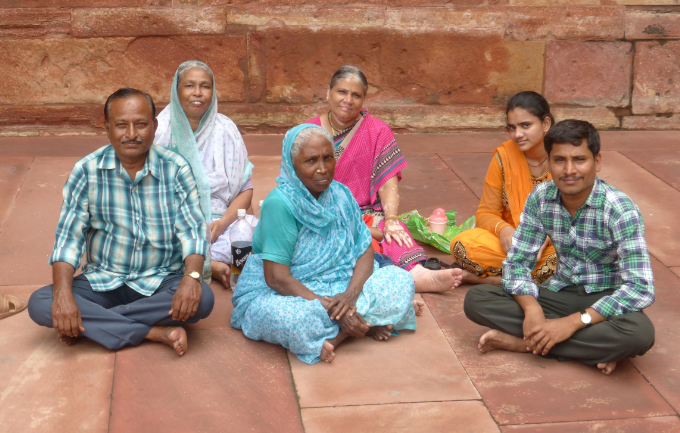
Coucou la Team des Sion-Lesbros, les Grands-parents, la Familia, les Potes, Team Blisce,
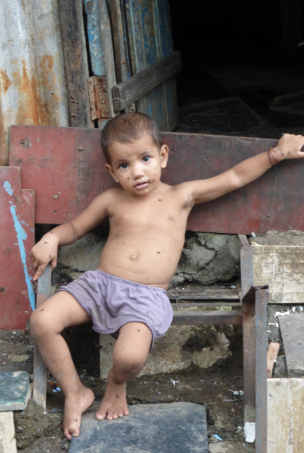
Coucou la Team des Sion–Lesbros, les Grands-parents, la Familia, Team Blisce,